Israeli artillery targets Ali al-Taher Heights in southern Lebanon
Artillery fire struck the southern Lebanese ridge of Ali al-Taher on 21 July 2026, with Israeli and Iranian-allied channels reporting the action within minutes of each other.
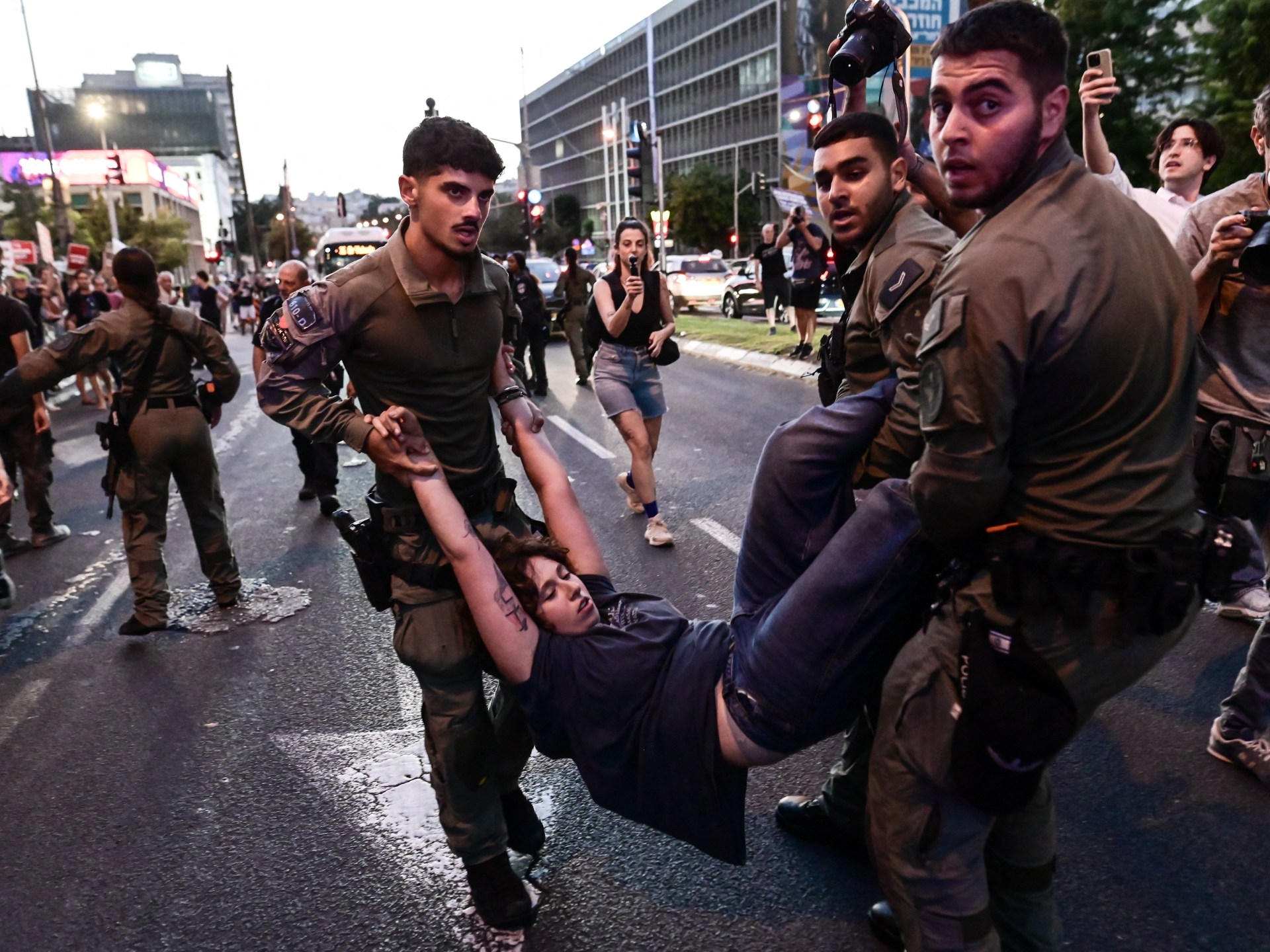
Israeli artillery batteries struck the Ali al-Taher Heights ridge in southern Lebanon on 21 July 2026, in a bombardment that Israeli and Iran-aligned media both flagged within minutes of the rounds landing.
Al-Alam Arabic, the Iran-linked satellite channel, broke the news at 11:54 UTC, describing "artillery bombardment targeting Ali Al-Taher Heights in southern Lebanon" in an urgent ticker that ran across its broadcast. Less than five minutes later, at 11:58 UTC, a Telegram channel associated with the Iranian military, IRIran_Military, framed the same action in language that places it inside the wider regional confrontation: "The Zionist enemy's attack on the Ali al-Taher Heights."
The near-simultaneous reporting is itself part of the story. Two outlets with sharply different political alignments arrived at the same geographic coordinates within the same news cycle, with each producing a frame that suits its audience. The fact on the ground, that the ridge took fire on Tuesday morning, is the only element neither side disputes.
What we know about the strike
The sources do not specify the calibre of weapons used, the unit that fired them, or the duration of the barrage. They do not give a casualty count, nor do they identify any specific target on the ridge beyond the toponym itself. Ali al-Taher is a stretch of high ground along the southern Lebanese frontier, in the area that has functioned as a friction belt between Israeli forces and Hezbollah-aligned units since the early months of the cross-border conflict.
What the two telegrams establish, narrowly, is that artillery fire hit the ridge at some point in the late morning UTC window. That is consistent with the pattern Israeli forces have used throughout the campaign: pre-dawn or late-morning artillery preparations against observation points, infrastructure, or staging areas on the Lebanese side of the border, often followed by further salvos through the afternoon.
Two frames, one location
Al-Alam Arabic's reporting is built for an Arab audience that reads Israeli military action through the lens of Lebanese civilian cost. The channel's tone in similar bulletins emphasises scale and urgency, and the language of "urgent" repetition is itself a frame, signalling that the broadcaster considers the event significant enough to interrupt scheduled programming.
IRIran_Military's telegram, by contrast, is built for a regional security audience. The phrase "the Zionist enemy" is the Iranian state's standard formulation for Israel, and it appears here as shorthand for a wider confrontation rather than as a description of this specific exchange. The channel is signalling that the bombardment fits inside a longer pattern, that it is one episode in an ongoing exchange, and that the audience should read it as such.
A reader who saw only one of these bulletins would walk away with a partial picture. The Al-Alam framing centres the humanitarian cost on the Lebanese side. The IRIran_Military framing centres the strategic dynamic between Iran and Israel. The ridge itself, and what actually happened to it, sits underneath both.
What the sources do not tell us
Neither outlet names an Israeli unit, cites the Israel Defense Forces spokesperson, or links to an Israeli press release. Israeli official channels had not, as of the timestamps on the two telegrams, posted a confirmation or denial in the material available to this publication. That absence matters: Israeli forces typically acknowledge or contextualise cross-border fire within hours, and the silence in the immediate window leaves the action without an official Israeli framing.
There is also no independent wire confirmation in the thread material reviewed for this piece. Reuters, Agence France-Presse, and the Associated Press had not, in the items available, posted a story matching these coordinates at the timestamps shown. That is not the same as saying the event did not happen; it is saying that, at the moment these two telegrams were issued, the cross-check layer of Western wire reporting had not yet caught up. Independent verification of the strike's specifics, its target, and its consequences remains pending.
What to watch next
The next twelve hours will determine whether Ali al-Taher was a routine preparation of fire, of the kind that recurs several times a week along this frontier, or the opening move of a more concentrated operation. The tell will be in the Israeli-language coverage: a Hebrew-language IDF statement, an Israeli wire bulletin, or a statement from the Northern Command spokesperson would close the evidentiary loop. Absent that, the ridge joins a list of border localities that have taken fire without ever appearing in a confirmed Israeli readout.
For Lebanon, the practical question is whether the barrage caused displacement or damage to civilian infrastructure. For the regional picture, the question is whether Iran-aligned channels escalate their language, which would signal that Tehran considers this round a meaningful probe rather than a routine exchange. Both questions are open. The ridge, however, is not in doubt: artillery hit it on Tuesday, and two outlets on opposite ends of the region's media map said so within four minutes of each other.
How Monexus framed this: the wire provided two ideologically opposed bulletins about the same strike and no Western-wire confirmation. We lead with the shared factual core, name the framing in each bulletin without endorsing either, and flag explicitly what the sources do not establish.
Wire provenance
This editorial synthesis draws on the following public wire/social posts:
- https://t.me/IRIran_Military
- https://t.me/alalamarabic
- https://en.wikipedia.org/wiki/Al-Tiri,_Lebanon
- https://en.wikipedia.org/wiki/2023%20Israeli%E2%80%93Lebanese_border_conflict