Tehran reaches for mediators in Pakistan as the Gulf temperature climbs
An Iranian envoy is in Pakistan for talks with regional intermediaries, a channel tied to open-source intelligence reports, in a sign Tehran is looking for off-ramps as Gulf tensions build.
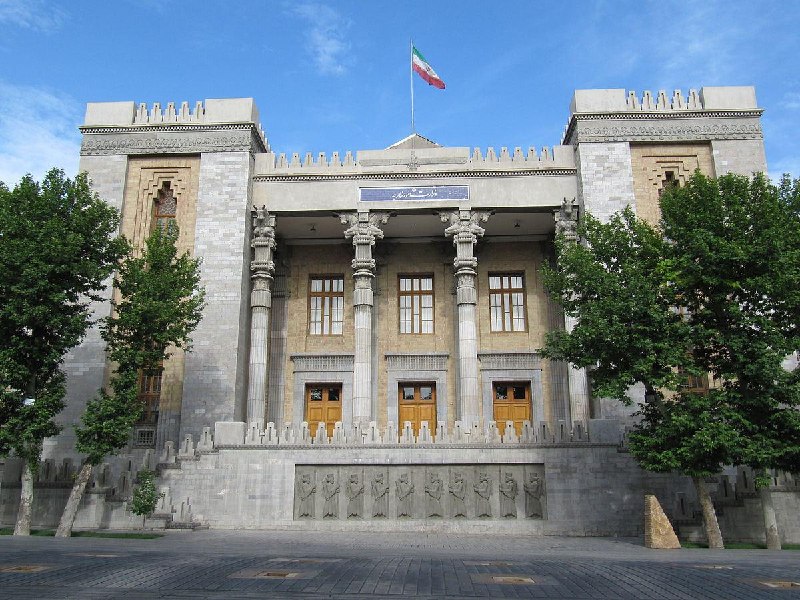
An Iranian official sat down with mediators in Pakistan on 21 July 2026, according to a thread from the open-source monitor GeoPWatch citing the Associated Press, the latest signal that Tehran is testing diplomatic off-ramps as the temperature around the Gulf and the wider Middle East climbs.
The conversation matters less for any single meeting than for what it implies about Iran's strategic position. With the Strait of Hormuz carrying a fifth of seaborne oil and Israel and the United States trading open threats with Tehran, the room for back-channel mediation has narrowed to a small set of capitals. Islamabad has historical cover to play that role, having hosted secret US–Iran contacts in earlier flashpoints and kept working relations with both the Islamic Republic and Gulf monarchies.
Why Pakistan, and why now
Pakistan sits at the intersection of several Iranian anxieties. The border region of Balochistan has been a recurring site of tit-for-tat strikes between Iran and Pakistan-based militant groups, and Tehran and Islamabad restored diplomatic normalcy only in January 2026 after a months-long rupture. The Pakistani army retains operational ties with Iran's Revolutionary Guard Corps that survived the latest spat, and the country's new political establishment in Islamabad has shown appetite for quiet shuttle diplomacy.
For Tehran, choosing Pakistan as a venue is also a way of signalling that it is not interested in negotiating on US terms in a Gulf hotel ballroom. Mediation hosted by a non-Gulf Muslim-majority neighbour carries different political weight than one brokered from Riyadh or Doha, particularly with Iranian domestic audiences still primed by the June 2025 twelve-day war and the October 2024 strikes.
What the channels say, and what they don't
The reporting on the meeting is thin and runs through a single open-source channel, GeoPWatch, which cites AP wire copy. There is no confirmed readout of who travelled from Tehran, which intermediaries are in the room, or which dossier is on the table. Earlier rounds of this kind of contact have spanned the full menu: nuclear file constraints, Houthi cross-border pressure, Iraqi militia coordination, and the question of unfreezing Iranian assets held in third countries.
GeoPWatch is an aggregator of open-source intelligence and has a mixed record. Its posts are useful as pointers to wire reporting rather than as standalone accounts, and the cautious reader will wait for AP's own copy to confirm the meeting's substance. The single-source nature of the thread also means the article cannot verify whether the talks are a one-off courtesy, the first step in a defined process, or a recurring channel quietly being kept warm.
The structural frame
Mediation is the cheapest signal an Iranian envoy can send in a moment of escalation. It tells the domestic audience that the diplomatic option has not been foreclosed, it tells Gulf capitals that Tehran is still reachable, and it tells Washington that the cost of any new strike campaign is harder to justify if a venue for de-escalation is already on the table. The same logic applies in reverse: for the United States and Israel, an Iranian envoy in Islamabad is also a variable to be managed, since a public mediation track can blunt the political case for further military action.
This is the familiar rhythm of Gulf crisis management. Each round of escalation produces a parallel round of mediation, often hosted in capitals far from the cameras. What shifts between cycles is the venue, the personalities, and the underlying military balance that frames what any deal is worth.
The counter-read and the stakes
The contrary reading is simpler: the meeting is stagecraft. Iran has an institutional habit of opening multiple diplomatic tracks simultaneously to dilute pressure on the one that matters, and Pakistan is a venue that produces communiqués more readily than commitments. Gulf states, bruised by the failure of past mediations to constrain Iranian proxy activity, may also calculate that engagement now rewards Tehran for the very behaviour the mediators claim to want stopped.
The practical stakes sit in three places. First, the Strait of Hormuz, where any miscalculation between Iranian fast boats and US carrier groups is now the highest-leverage flashpoint in the energy market. Second, Iraqi Shia militias and the Houthi file, where even a partial de-escalation would ease insurance rates and shipping costs that have been bleeding through Red Sea and Gulf transit since late 2023. Third, Pakistan's own internal balance: a successful mediation role would burnish the new civilian government's foreign-policy credentials at a moment when its economic position depends heavily on Gulf financial support.
The sources do not specify which of those tracks is on the table in Islamabad this week. Until AP's own copy surfaces, the responsible read is that an envoy is in the room, the channel exists, and the question of whether it produces anything more than a photo opportunity is still open.
Monexus framed this story through GeoPWatch's pointer to AP wire reporting rather than the wire itself, and held the line on what the channel did and did not specify, who travelled, what was on the table, and which dossier is actually being worked.
Wire provenance
This editorial synthesis draws on the following public wire/social posts:
- https://t.me/GeoPWatch