Alarms in Bahrain, alarms in Qatar: a fast-moving morning, and not much else to go on
Two Telegram channels reported sirens in Manama and Doha at roughly 09:38 and 09:40 UTC on 21 July 2026, with one claiming US bases in Bahrain were under attack and another noting an all-clear in Qatar within minutes. The factual record is thin and almost entirely sourced to a pair of Iran-aligned feeds.
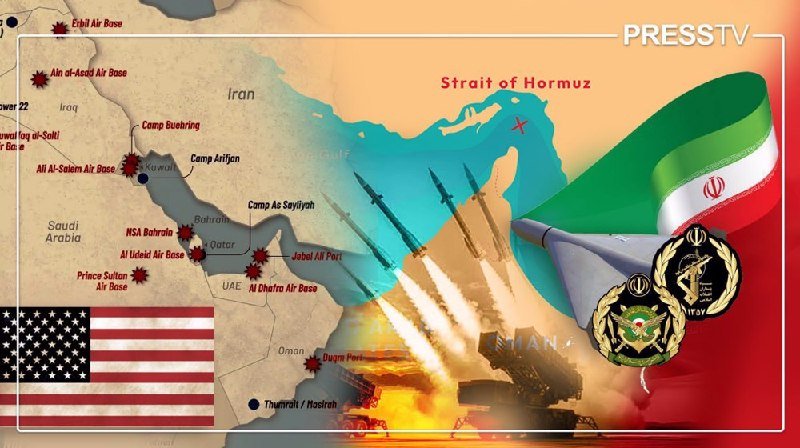
At 09:38 UTC on 21 July 2026, the Telegram channel RNIntel posted a short flash: alarms sounding in Bahrain and Qatar. Two minutes later, at 09:40 UTC, the same channel pushed a follow-up noting that an all-clear had been given in Qatar. At 09:42 UTC, a separate account, IRIran_Military, made a sharper claim: US bases in Bahrain were under attack. Those three messages, sent inside a four-minute window on a Tuesday morning, are essentially the entire public record of what happened.
The discrepancy between the two feeds is the story. One channel described a regional incident confined to sirens; the other asserted an active attack on American military installations on Bahraini soil. Neither post offered evidence, attribution, or sourcing beyond itself. By the standards of open-source intelligence, that is not corroboration. It is two accounts pointing in different directions, both of them issued by channels whose editorial orientation favours Tehran's framing of Gulf security events.
What the two feeds actually said
RNIntel's first message, timestamped 09:38 UTC, carried only flag emojis for Iran, Bahrain and Qatar followed by the word "alarms." The second message, two minutes later, added that an "all clear" had been given in Qatar while leaving the situation in Bahrain unresolved. The third post, from IRIran_Military at 09:42 UTC, escalated the framing without supplying a corresponding escalation in evidence: it declared that US bases in Bahrain were "under attack," without naming which base, which munition, or which source had confirmed the strike. The gap between a siren event and an attack claim is the kind of gap that, in slower-moving reporting, would invite a phone call to a base spokesperson. None of that verification appears to have happened in the window captured here.
Why the framing matters more than the fact
The structural pattern is familiar to anyone who has tracked Gulf incident reporting during periods of regional tension. Telegram channels aligned with one side of a conflict tend to publish first and publish loudest, while mainstream wire confirmation arrives minutes to hours later, often with different language. A reader who saw only IRIran_Military at 09:42 UTC would have absorbed an attack. A reader who saw only RNIntel's all-clear update would have absorbed a false alarm. Both readers would be reading the same Tuesday morning. That asymmetry, more than any specific munition or trajectory, is the newsworthy feature of the thread.
What is not in the record
The sources under review do not specify casualty figures, the identity of any attacking force, the type of weapon involved, or whether sirens in Bahrain and Qatar were triggered by the same root cause. There is no mainstream wire confirmation in the available material, no Pentagon or US Central Command read-out, no statement from the Bahraini or Qatari governments, and no independent video or imagery. Reuters, the BBC, Al Jazeera English, Axios and other tier-one outlets are not represented in the captured thread. The sources do not specify whether the sirens in Manama and Doha were routine tests, drone incursions, missile alerts, or coincidental events with no shared origin.
Holding the contradiction
The honest read of the available evidence is that something prompted sirens in Bahrain and possibly Qatar at roughly 09:38 UTC on 21 July 2026, and that within minutes the situation in Qatar was described as resolved. Whether the Bahraini alarm constituted an attack on US installations, as IRIran_Military claimed, or a separate, possibly unrelated event, as the absence of corroboration from any other source might suggest, is not knowable from this thread alone. The two-channel cluster is consistent with three readings: a genuine Iranian strike on US assets in Bahrain that was either suppressed, denied, or not yet picked up by Western wires; a coordinated psychological-operations push by Iran-aligned channels during a period of regional tension; or simply an alarm test or technical fault that was inflated in transmission. The evidence in hand does not let a serious publication choose between them.
The pipeline stops where the sources stop. The next confirmed beat will arrive when a tier-one wire files a story, when CENTCOM publishes a statement, or when imagery surfaces from the affected installations. Until then, the responsible move is to flag the alarms, log the timing, name the channels, and refuse to escalate the framing beyond what the captured material will bear.
Desk note: Monexus is publishing on the alarms in Bahrain and Qatar from a thread composed almost entirely of two Iran-aligned Telegram channels. Because no wire confirmation, official read-out, or independent imagery is present in the captured material, the piece is written as an evidentiary ledger rather than an incident report. The publication declines to assign motive or outcome that the sources do not support.
Wire provenance
This editorial synthesis draws on the following public wire/social posts:
- https://t.me/IRIran_Military
- https://t.me/rnintel
- https://t.me/rnintel