Behind the Art Institute of Chicago's outsourcing push
The Art Institute of Chicago is moving to outsource custodial work, prompting a union pushback that turns a back-of-house decision into a public test of museum labour economics.
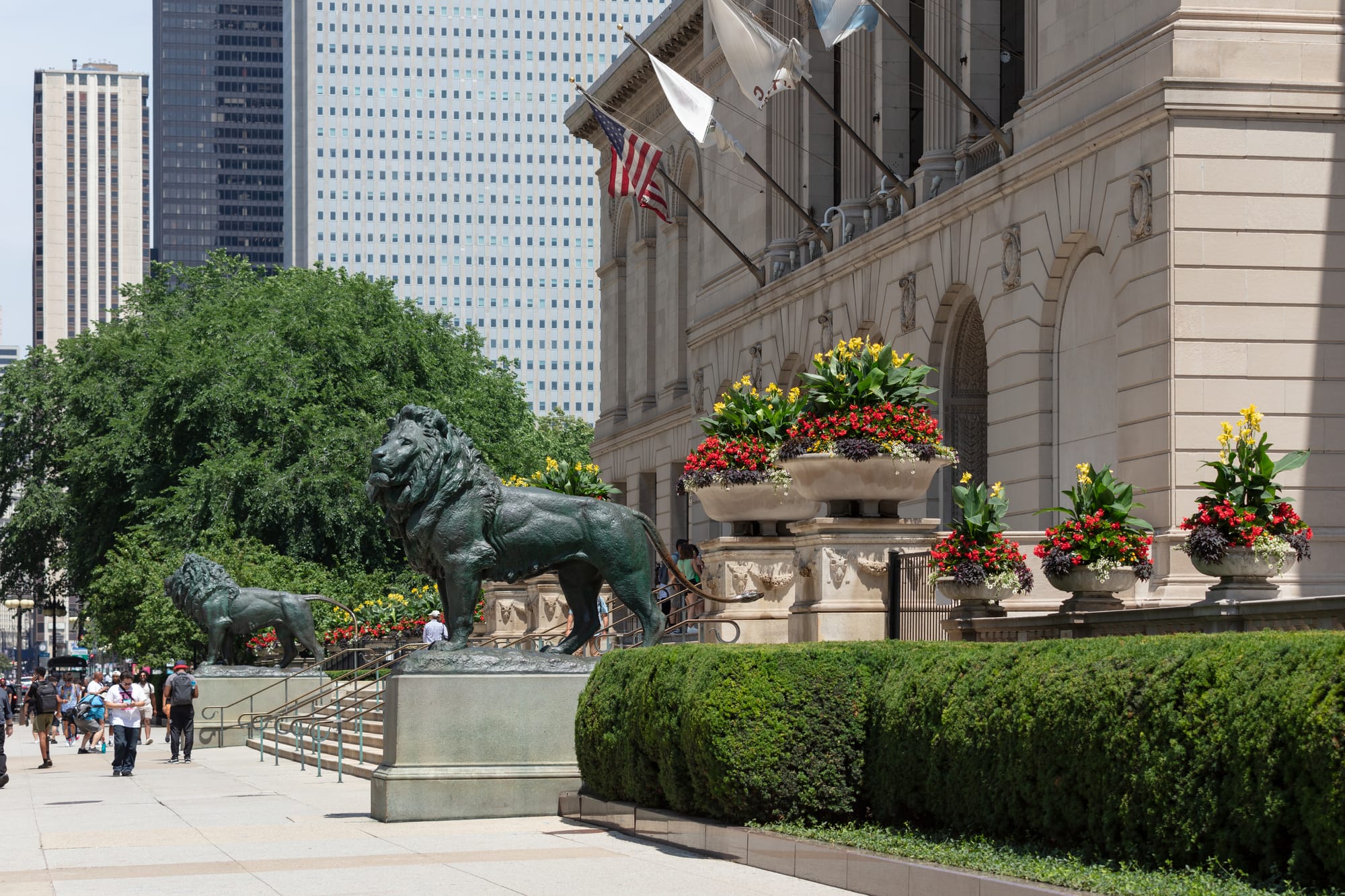
On 21 July 2026, the union representing workers at the Art Institute of Chicago publicly condemned the museum's decision to eliminate its entire in-house custodial workforce and hand those duties to an outside vendor. The framing from the union is unusually blunt: a "devastating and unconscionable injustice," delivered while one of the country's wealthiest cultural institutions is still drawing visitors at pre-pandemic pace. That tension, between institutional solvency and the people who keep the floors clean, is now the story.
The dispute is small in headcount but large in principle. Cultural institutions have spent the better part of a decade arguing that their work is essential: education, public access, civic infrastructure. The labour that holds those claims up is, almost by design, invisible. Custodial crews guard the climate that protects the canvases, the circulation that keeps the galleries moving, the quiet floor presence that makes a day at the museum feel safe. When a museum decides to outsource that function, the calculation on paper looks like a line item; in practice it looks like a renegotiation of what the institution owes its workforce.
What the union is actually saying
The union's statement, carried by Hyperallergic on 21 July 2026, describes the outsourcing plan as an injustice rather than as a grievance. That word choice matters. It signals that the workers are not just disputing severance or health benefits; they are contesting the premise that the work can be severed from the institution at all. Outsource arrangements, by their nature, treat cleaning as a transactional service, priced by square foot and renewed on contract cycles. In-house arrangements treat it as a continuing employment relationship, with pensions, grievance rights, and a place on the org chart.
The Hyperallergic report does not specify how many custodial workers are affected, nor the name of the vendor the museum has selected. It does name the institution, the union, and the framing: a museum that posts record attendance figures is preparing to convert a permanent workforce into a contracted one. The union is asking the public, not the museum's board, to adjudicate.
A pattern across the cultural sector
The Art Institute of Chicago sits inside a wider trend that became visible after the pandemic: large cultural institutions trimming full-time staff in housekeeping, security, and food service while protecting curatorial and development roles. The stated logic is usually financial: endowments did not fully recover; energy and insurance costs climbed; visitor patterns shifted. The unstated logic is that the workers with the least bargaining power absorb the largest share of the adjustment.
Outsourcing appeals to finance officers because it converts a fixed cost into a variable one. It also moves the workforce off the institution's payroll, which means lower wage floors, fewer benefits obligations, and a different legal relationship when something goes wrong. A spill, a slip, an injury in a public gallery: under a contract, the institution is a customer of the service, not the employer. That distinction is precisely what the Chicago union is contesting.
What is genuinely unknown
Several details in the Hyperallergic report are missing, and they are the ones that will decide whether the dispute becomes a local labour story or a national conversation about museum economics. The report does not specify the number of affected workers, the value of the custodial contract, or whether the transition includes a hiring preference for current employees at the new vendor. It does not name the third-party vendor, so the public cannot yet compare its wage and benefit standards to the museum's. It does not say whether the museum's leadership has framed the decision as cost-driven, strategic, or both.
That gap is not unusual. Museums typically disclose outsourcing decisions through internal channels first and public statements second, if at all. The union's job, in this phase, is to make the cost visible before the contract is signed, when there is still time to alter it.
The stakes for the institution
For the Art Institute of Chicago, the calculation is reputational as much as financial. A museum that has spent recent years expanding access programmes, community partnerships, and DEI commitments is being asked, by its own workforce, how those commitments reconcile with the treatment of the lowest-paid staff. The union has framed the outsourcing as a moral question, not a managerial one, which forces the museum to answer on those terms.
If the contract proceeds, the museum will save an unspecified amount annually and shift risk to a vendor; the workforce will lose institutional standing, defined-benefit protections, and whatever informal authority came with being Art Institute employees rather than contract cleaners. If the museum reverses course, it will keep a permanent workforce and absorb the cost that outsourcing was meant to relieve. Neither path is cheap. The contest now is over who counts the bill.
How Monexus framed this vs the wire: the wire report centres the union's language; this piece treats the dispute as a labour-economics story with structural implications for cultural institutions, and flags what the available sourcing does not yet establish.