Aoun at the White House: Trump flatters Lebanon's new president, in plain view of an unresolved south
Lebanon's President Joseph Aoun met Donald Trump in the Oval Office on 21 July 2026. Trump called him a 'highly respected president' and dangled the Abraham Accords as a coming attraction. The south of Lebanon, where the army is supposed to deploy, sat unmentioned.
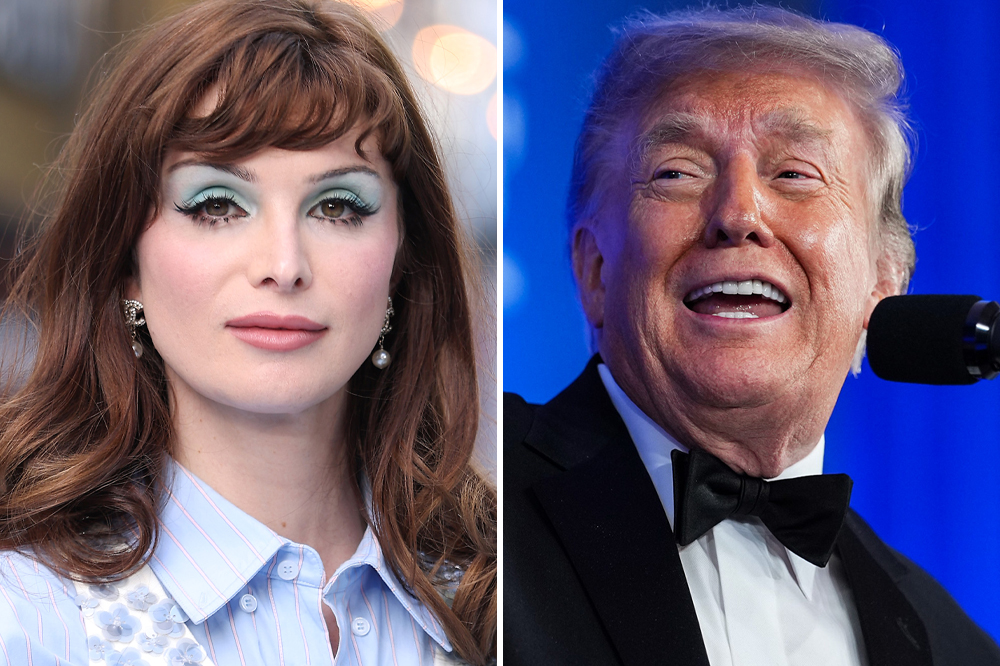
Joseph Aoun walked into the Oval Office at roughly 15:12 UTC on 21 July 2026 and left it carrying the kind of presidential flattery that travels badly in the region it concerns. Donald Trump greeted Lebanon's president in front of the cameras, called him "a highly respected president" and, according to a pool read-out circulated by Clash Report, told him in plain hearing: "He knows how to get to me. He can have anything." The audience had a single item of business on the US side, and it was not on the Lebanese side's wishlist. Trump used the meeting to declare the Abraham Accords "a success" and to predict, on camera, that "soon you will see many countries joining," as relayed by the Israeli political analyst Amit Segal.
Strip the choreography away and the meeting is a soft attempt to bring a Beirut government that has not chosen sides into a Middle East realignment that is already closing around it. Aoun's visit lands in the same week that Lebanese army units are meant to begin moving into pilot zones in the south, near the line where Israeli troops are deployed. The White House optics are about enrolment. The substantive file is what happens on the ground from the Litani down to the Blue Line.
The White House script, and the camera angle
Trump's posture toward Aoun was the unusual one for this White House: solicitous, generous, almost solicitously deferential. The framing inside the room, as summarised by Telegram channels monitoring the read-out including BRICS News and Clash Report, was that Lebanon now has a partner it can work with. In Trump's telling, Aoun is the man he can phone, the man who delivers, the man with whom "you will see many countries" joining the normalisation framework.
What that framing papers over is the imbalance inside the Lebanese state. Aoun is a former commander of the armed forces who took the presidency in a political class still balancing a fragile ceasefire on its southern border, an economy running on remittances and a parliament that has not yet delivered on a disarmament track tied to the post-2024 framework. Flattery from Washington is cheap. The bill lands in Beirut and in the south.
The southern question that was not asked
The Jerusalem Post's wire ahead of the meeting put the operative phrase on the record: the visit "comes as Lebanon is supposed to be sending troops to pilot zones in southern Lebanon near where IDF troops are deployed." That is the working file. Israel wants a buffer along the frontier staffed by the Lebanese armed forces, not by non-state actors, and is willing to tolerate a phased redeployment provided it is verifiable.
None of the read-outs circulated on 21 July record Trump or Aoun publicly addressing that redeployment in detail. Trump reached for the Abraham Accords. Aoun was thanked for being the kind of president one can deal with. The conversation the room did not have is the one that determines whether the south of Lebanon sees fewer armed actors next month or the same number under a new flag.
Normalisation, Lebanon-style
The Abraham Accords pitch, on the US side, has always been that the framework expands by attraction, not by coercion. Trump said it plainly: the Accords are "a success," more states are coming. That argument is harder to make in Beirut than in Manama or Abu Dhabi. Lebanon has no diplomatic relations with Israel, no economic incentive structure that resembles the Gulf model and a domestic political economy in which any formal move toward normalisation would break the governing coalition.
What Trump is offering, in practice, is informal enrolment: Lebanese cooperation on the southern border, on refugee returns, on counter-smuggling and on isolating non-state armed groups, with the implicit promise of reconstruction funding and a US political shield. The price is discretion. Aoun does not have to call it normalisation. He only has to behave as if Hezbollah's external posture no longer commands Lebanese state policy. That is a real ask, and it is the ask underneath the flattery.
The structural frame: a Washington that rewards compliance
What is on display this week is the operating doctrine of the second Trump administration's Middle East file. States that move toward US-brokered arrangements get the treatment Aoun got: red-carpet optics, presidential-level access, the hint of a checkbook. States that resist get the other treatment. The doctrine rewards compliance and treats sovereignty as a variable.
Lebanon is the test case for whether that doctrine holds when the state in question is weak, indebted and politically fractured. Aoun needs the legitimacy and the cash. Trump needs a southern border that is quiet. The convergence is real. Whether it lasts will depend on decisions taken in the next two months on a stretch of Lebanese territory the cameras in the Oval Office never visited.
The sources do not record whether Trump and Aoun discussed a specific dollar figure, a deployment timetable or a written understanding. The sources also do not record any statement from the Israeli side during or after the meeting, beyond Jerusalem Post's pre-meeting framing of the southern file. That silence is itself a fact. A successful encounter on this White House's terms usually produces more paper, not less.
Desk note: the wire frame for this meeting has been dominated by read-out channels and Israeli political analysts. Monexus flagged the southern-border deployment as the load-bearing detail in the run-up and kept that frame in the lede, rather than letting the Abraham Accords pitch set the agenda.
Wire provenance
This editorial synthesis draws on the following public wire/social posts:
- https://t.me/The_Jerusalem_Post
- https://t.me/amitsegal
- https://t.me/ClashReport
- https://t.me/bricsnews
- https://t.me/thecradlemedia