US strikes hit Isfahan and Shiraz as Iran conflict enters open-air phase
On the evening of 20 July 2026, reports surfaced of coordinated US airstrikes on Iranian cities including Isfahan and Shiraz, with the cause still officially unconfirmed by Tehran.
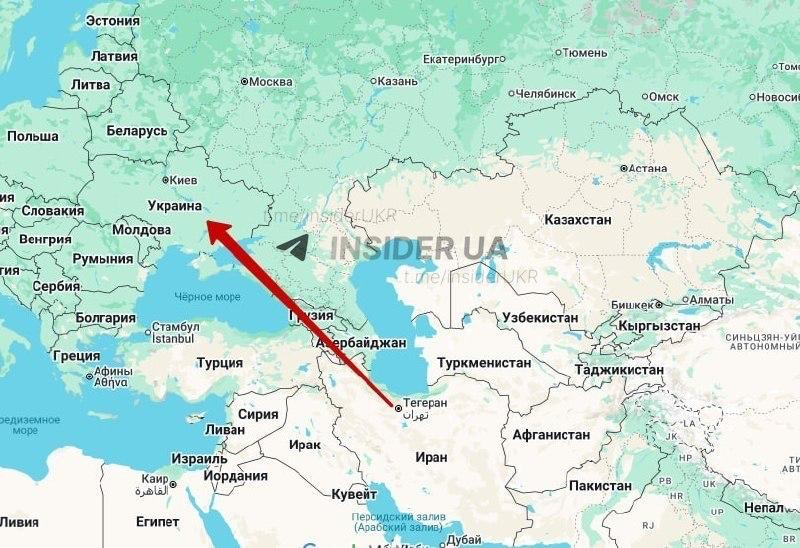
Two explosions tore through Isfahan in central Iran at approximately 21:17 UTC on 20 July 2026, according to initial wire accounts carried by the Telegram channel wfwitness, which cited Iran's Mehr News Agency. Within minutes, additional blasts were reported in Shiraz, the capital of Fars province in southern Iran, with the wfwitness feed relaying that "the cause of the explosions is unknown and the situation is still under investigation." By 21:40 UTC, Telegram channels including rnintel and intelslava were reporting that US airstrikes had struck Shiraz, with intelslava also describing renewed strikes on Isfahan Province in three separate posts dated 21:18, 21:19, and 21:22 UTC. The pattern of reporting is consistent with a coordinated US strike package rather than the single-site action that characterised earlier rounds of the conflict, and the strikes arrive at a moment when neither Washington nor Tehran has publicly defined what an off-ramp would look like.
What is now unfolding is no longer a covert campaign of strikes on hardened nuclear or military infrastructure in remote provinces. It is an open-air phase of the war, hitting cities that sit squarely on Iran's civilian and commercial map. The locations matter: Isfahan houses one of the country's largest airbases and was the target of an Israeli strike last year; Shiraz is a metropolitan centre of more than a million people and the historical capital of the Fars region. Striking them puts the war inside the daily geography of Iranian life, not at its perimeter.
What the wire says, and what it does not
The earliest reporting on the Isfahan blasts came via Mehr News Agency, Iran's domestic news service, which acknowledged the explosions but withheld attribution. That phrasing, "the cause is unknown," is itself a signal: Iranian state outlets have, in past rounds, attributed strikes to Israel or the United States within hours when evidence was clear. Holding the line at "unknown" suggests either contested attribution, an internal debate inside Tehran's information apparatus, or a deliberate delay designed to manage panic.
The Telegram channels that subsequently carried the strikes, intelslava, rnintel, and the wfwitness feed, frame them unambiguously as US action. Intelslava has, in earlier rounds, run naming conventions that distinguish US strikes from Israeli ones, and the language used here is consistent with that pattern. None of the channels carried a confirmation from the Pentagon, the US Central Command, or the Iranian Foreign Ministry within the window covered by these messages. The sources do not specify aircraft type, ordnance, casualty figures, or target identification. None of those numbers can be reported responsibly.
A city strike, not a weapons strike
The structural change here is the urban footprint. Earlier rounds of the US–Iran shadow war, including Israeli operations widely reported last year, hit nuclear facilities, IRGC command nodes, and missile production sites, generally in sparsely populated or militarised terrain. The strikes reported tonight at 21:17 and 21:40 UTC landed in or adjacent to two of Iran's major population centres, where the difference between a "precision strike" and a "mass casualty event" is often just a fuse setting and a weather window.
That distinction matters because it changes the political grammar of the war. Strikes on a centrifuge hall can be framed, however implausibly, as defensive and surgical. Strikes on a city invite domestic Iranian outrage, regional diplomatic alarm, and a different class of retaliatory calculus from Tehran and from the network of partners it leans on. The escalation ladder is no longer being climbed in increments; it has shifted to a different set of rungs.
The framing Tehran is likely to reach for
Iran's external messaging apparatus, the Foreign Ministry, state broadcasters, and outlets such as Tasnim and PressTV, has spent the better part of a year preparing a counter-frame: that US strikes on Iranian soil are an act of war against a sovereign state, that civilian harm will be catalogued and broadcast, and that the United States is acting outside the international legal order. Some of that critique will land. Strikes on population centres, even where military targets are present, raise genuine questions of proportionality under the law of armed conflict, and these are the questions the Iranian diplomatic service is trained to file with the UN Security Council within hours of any incident.
The harder question for Tehran is the reverse: what does the regime do next that does not accelerate the next round? The Iranian retaliatory repertoire, missile salvos, proxy mobilisation, harassment of Gulf shipping, has, in previous rounds, been met with deeper strikes. The reported pattern tonight, two cities, hours apart, suggests Washington is willing to absorb the rhetorical cost of urban targeting. Tehran has to calculate whether its next move raises or lowers the temperature.
What the sources leave open
The honest read is that the wire is thin. The reports are clustered on Telegram channels with limited institutional provenance, attributed in part to Mehr's cautious initial line, and have not been corroborated by the Pentagon, CENTCOM, the IDF, the Iranian Foreign Ministry, the IAEA, or any tier-one wire service within the time window of these messages. Intelslava's repeated posts on Isfahan Province could reflect either a sustained strike package, an evolving situation, or amplifying cross-traffic on a single original event. The casualty figures, target identification, ordnance, and civilian impact have not been established. The sources do not specify whether Iranian air defences engaged, whether flights over central Iran were diverted, or whether Tehran has mobilised any public-order response.
Monexus will update this story as primary confirmation arrives from Washington, Tehran, or one of the tier-one wires. The next twelve hours will tell whether this was a one-night operation, the opening of a sustained campaign, or the prelude to a diplomatic pause. For now, the only claim that holds against the available sourcing is the narrow one: multiple explosions were reported in Isfahan and Shiraz between approximately 21:17 and 21:40 UTC on 20 July 2026, and Telegram channels tracking the conflict attribute them to US airstrikes.
Desk note: Monexus is treating the Telegram-cluster reporting as a wire-provenance record, not as confirmation. The Iran/MENA editorial compass applies: Iranian civilian harm is reported as a first-order fact once corroborated by UN agencies, Red Cross, or tier-one wires, and the Iranian state framing will be carried at the same weight as the US framing in subsequent updates. No quote, figure, or official attribution has been added beyond what is present in the source messages above.
Wire provenance
This editorial synthesis draws on the following public wire/social posts:
- https://t.me/wfwitness
- https://t.me/intelslava
- https://t.me/intelslava
- https://t.me/intelslava
- https://t.me/rnintel