The Red Sea is being re-priced, and the bill lands in Jeddah
A Yemeni maritime ban aimed at Saudi ports, anchored in the Yanbu export terminal, is turning a regional conflict into a freight-rate event for global oil buyers.
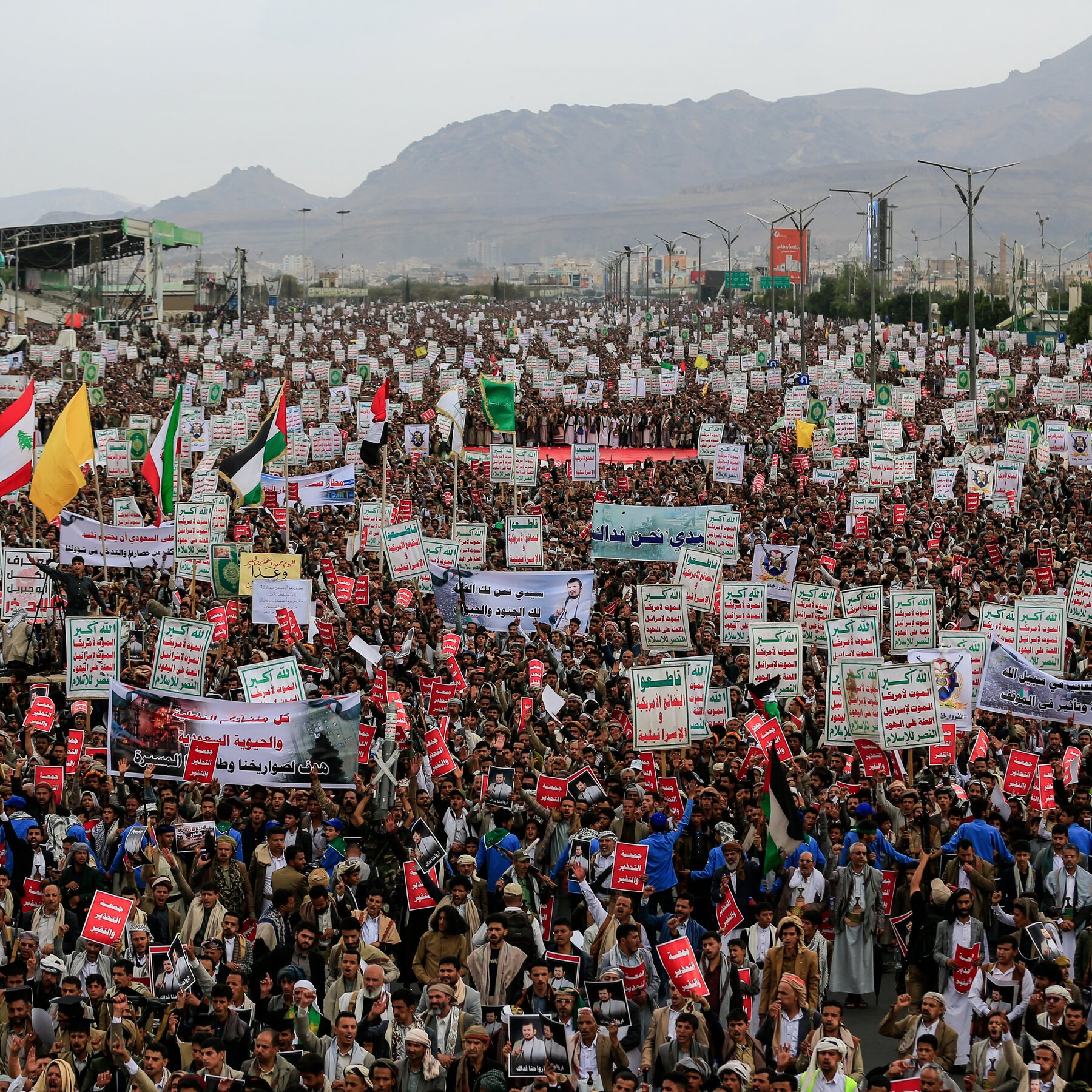
At 19:48 UTC on 20 July 2026, Reuters correspondents reported from regional sources that Saudi Aramco, the world's largest oil exporter, routes crude through the Red Sea port of Yanbu, and that the routing now sits upstream of a Yemeni maritime navigation ban targeting Saudi shipping. Three minutes later, at 19:51 UTC, the same wire said it was not yet clear how Yemeni authorities would implement the embargo. By 19:54 UTC, the cost arithmetic had arrived: any modest rerouting of a seven-day voyage would add hundreds of thousands of dollars per voyage, on the reckoning of shipping sources cited by Reuters.
What looks, on the cable tickers, like another Houthi threat is in fact a structural repricing of the Red Sea corridor. The dominant frame reads the announcement as theatre; the structural read is that the corridor premium has migrated, quietly and durably, into the freight market, and that the first party to absorb it is the kingdom whose oil has to leave through the Bab el-Mandeb.
Yanbu is the chokepoint inside the chokepoint
Yanbu is not Jeddah. It is the export terminal that handles the bulk of Aramco's westbound crude, and it sits roughly 300 kilometres north of the Bab el-Mandeb strait. Any disruption to navigation in the southern Red Sea forces either a long detour around the Cape of Good Hope, or a sustained insurance war-risk premium on hulls, cargoes and crews that choose the direct route. Reuters's 19:54 UTC report quantifies the exposure in plain shipping terms: a seven-day voyage incurs hundreds of thousands of dollars of additional cost from "any slight change" to routing, a figure that compounds across Aramco's monthly liftings.
In other words, the lever is no longer the missile. It is the shipping contract. The threat, if implemented, is operational rather than kinetic.
The Gaza overlay
The announcement does not arrive in a vacuum. At 20:29 UTC the same day, Hamas's press office framed ongoing Israeli operations in Gaza as "systematic aggression in the context of the ongoing war of extermination," language that has been a consistent fixture of the movement's communiqués since the war began. The framing matters here because it ties the Red Sea ban, publicly at least, to a Gaza ledger rather than to a bilateral Saudi–Yemeni dispute. Western wire coverage has consistently treated Houthi Red Sea action as a function of the Gaza war, with maritime risk premia rising and falling in step with the conflict's tempo. That reading is plausible. It is also incomplete: it leaves out the long-running Saudi–Houthi war, the Ansar Allah detention file, and the years of Yemeni demands for reconstruction and reparation that pre-date October 2023.
What the wire is not yet saying
Reuters's 19:51 UTC line is the one to watch: it is not yet clear how the Yemenis will implement the ban. That ambiguity is itself a market signal. Shipowners do not need an actual interdiction to start rerouting; the credible threat of one is enough to push tonnage onto the Cape route and to lift war-risk underwriters' quotes on the Suezmax and VLCC classes. The ambiguity is the product. Every day that the implementation question goes unanswered is another day that insurance premiums, charter rates and Brent–Dubai spreads incorporate a Yanbu risk premium.
The other open question is the Saudi response. Riyadh has spent three years building diplomatic distance from the Gaza war, and it has a domestic Vision 2030 logic that says it cannot afford a sustained export-route disruption. Whether the kingdom publicly downplays the ban (to keep freight rates calm), or publicly escalates (to force a Western convoy posture), is the political choice that will determine whether 2026 produces a sustained Red Sea rerating or another brief scare.
Who pays, who gains
The losers, in the near term, are oil buyers in Asia and Europe who will absorb higher delivered prices; the Saudi treasury, which loses the optionality of cheap routing; and the global shippers, already bruised by two years of corridor premia, who face another round of contract renegotiation. The structural winners are the shipowners with tonnage on the Cape route, the insurers writing war-risk on Red Sea hulls, and the refiners with Atlantic Basin crude that bypasses the corridor entirely. The political winner, in framing terms, is the side that can keep the story on Gaza: for Hamas, it vindicates the "unity of fronts" doctrine; for Ansar Allah, it reasserts leverage at a moment when the Saudi–Houthi file has been quietly frozen.
What remains genuinely uncertain is implementation. The Reuters wire is explicit: as of 19:51 UTC on 20 July, the mechanism is unspecified. Until that gap is closed, the market will price the worst credible case, and the worst credible case is no longer a missile on a tanker, it is a routing change that quietly adds nine figures a month to Saudi Arabia's export bill.
Monexus framed the announcement as a freight-rate event with a Gaza overlay, rather than as either pure Gaza solidarity theatre or a bilateral Saudi–Houthi escalation. The wire that drives this read is the 19:48–19:54 UTC Reuters cluster.
Wire provenance
This editorial synthesis draws on the following public wire/social posts:
- https://t.me/alalamarabic/
- https://t.me/alalamarabic/
- https://t.me/alalamarabic/
- https://t.me/alalamarabic/
- https://en.wikipedia.org/wiki/Yanbu