Tehran signals ceasefire openness while framing the war as imposed
Iran's foreign ministry confirmed on 20 July 2026 that mediators had passed ceasefire ideas to Tehran, even as spokesman Esmaeil Baghaei accused Washington of using the word "diplomacy" to mean "intimidation, threats, and sanctions."
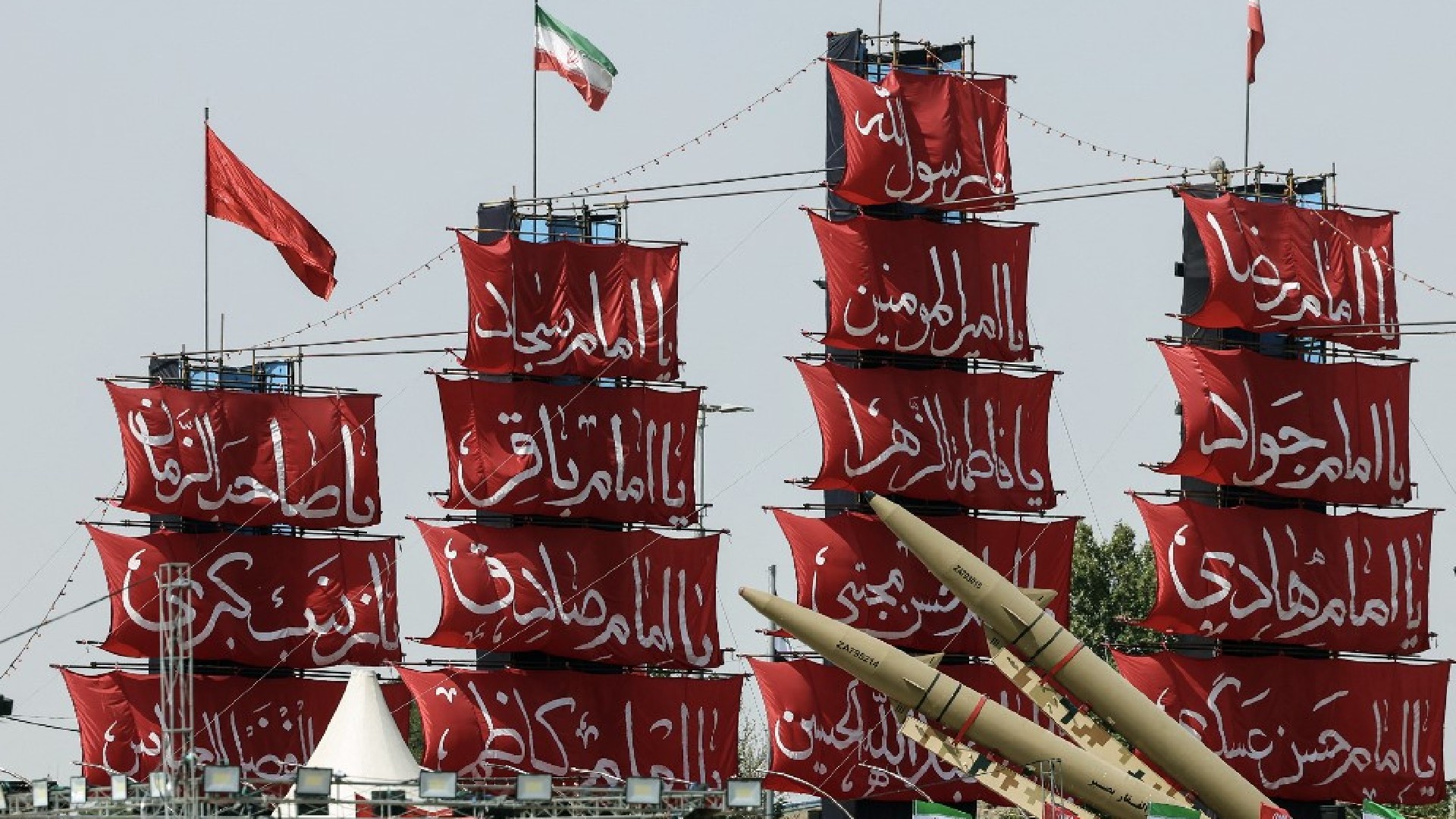
At 08:00 UTC on 20 July 2026, Iranian Foreign Ministry spokesman Esmaeil Baghaei confirmed that mediators had delivered ceasefire proposals to Tehran, calling the ideas part of ongoing diplomatic efforts. Within the same press window, Baghaei characterised the war now underway as something "imposed on Iran" and accused Washington of treating diplomacy as a synonym for "intimidation, threats, and sanctions." The two statements, twenty-two minutes apart, capture the diplomatic shape of the moment: a regime publicly holding the door open for talks while reserving the right to call the conflict an act of aggression.
The pattern is familiar from earlier rounds of Middle East brinkmanship. Tehran signals that channels remain live, names a villain, and tests whether the pressure campaign at sea, in the airspace over Yemen, and through secondary sanctions can be eased without a formal concession. What is unusual this time is the simultaneity. The ceasefire language and the bellicose framing are being delivered from the same podium within a single news cycle, an arrangement that leaves maximal room for either side to claim, after the fact, that it was always ready to talk or always ready to fight.
Tehran's diplomatic register
Baghaei's 08:00 UTC confirmation was careful. He acknowledged that proposals had been conveyed, used the word "mediators" rather than naming a specific Gulf or Omani channel, and stopped short of characterising the contents. That reticence is itself a tell. Iranian readouts of this kind typically telegraph two things at once: a willingness to keep the conversation going and a refusal to be seen as the party that blinked first. By placing the emphasis on the proposals' existence rather than their substance, Tehran preserves optionality. If a deal emerges, the foreign ministry can claim credit for engaging. If talks collapse, it can argue that the terms on offer were never serious.
The earlier statement at 07:45 UTC, attributed to Baghaei via Tasnim News, added a second layer. An Iranian plane had returned to Tehran carrying "the official delegation and the wounded Yemenis," a phrase that ties Tehran's diplomatic posture to the humanitarian cost of the air campaign on its Houthi-aligned partners. The same briefing asserted that Iran "has not accepted the existence of air embargo against Yemen," a line that rejects the legal and operational basis of the enforcement regime now running out of regional bases. The framing is deliberately upstream of the ceasefire question: before Iran can be asked to stop anything, in this telling, it wants the architecture of the war itself delegitimised.
The American counter-language
Washington's diplomatic vocabulary, as filtered through Baghaei's paraphrase at 08:16 UTC, is being attacked in unusually blunt terms. The Iranian spokesman described Iranians as "known for their love of peace" and accused the United States of pursuing diplomacy "until the last moment before the war, which he said was imposed on Iran." That formulation inverts the standard Western sequence, in which a US-Iran escalation typically begins with a maximalist demand (full nuclear disarmament, an end to proxy support, release of detained nationals) and only later shifts to coercive tools. By reversing the chronology, Tehran places the burden of explanation on Washington and recasts sanctions as the opening move rather than a response.
The argument lands harder because it is partially true. US sanctions architecture on Iran did not begin with the current conflict; it has been layered, expanded, and re-justified across multiple administrations, on nuclear, missile, human-rights, and terrorism-related grounds. Baghaei's "intimidation, threats, and sanctions" formulation is a polemical compression of that history, but the underlying continuity is real. Even readers inclined to dismiss Iranian state media have to concede that the sanctions ledger is long, well-documented, and only intermittently connected to any specific Iranian concession.
What the mediators are actually carrying
Neither the 08:00 UTC nor the 08:16 UTC readout names who is doing the mediating, what the proposals contain, or what would constitute a face-saving formula for either side. The Tasnim wire at 07:45 UTC implies an indirect channel, given that the Iranian plane was carrying a "delegation," which suggests Tehran is engaging a counterpart with formal representation rather than a one-line back-channel. The absence of named intermediaries is consistent with how previous Iran-mediated tracks have operated in the region, where Oman, Qatar, Switzerland, and at times Iraq have served as quiet conduits without ever being publicly credited while talks were live.
The Yemen dimension, raised in the same Tasnim item, complicates the picture. If the air campaign against Houthi positions is the proximate trigger for Tehran's current posture, then any ceasefire has to address more than the Iran-US bilateral: it has to cover, at minimum, the tempo of strikes, the status of the Houthi leadership in Sanaa, and the unhindered movement of humanitarian and medical flights. Baghaei's reference to "wounded Yemenis" being brought home on an Iranian aircraft is a quiet reminder that the medical-evacuation pipeline is one of the few visible humanitarian mechanisms still operating across the conflict zone, and that Tehran sees this work as part of its regional standing rather than as a concession.
Stakes if the trajectory continues
Two trajectories are available, and they diverge sharply. In the first, the ceasefire proposals mature into a framework that slows the air campaign, opens a sanctions carve-out for humanitarian goods, and produces a phased de-escalation with a Yemen track attached. In that scenario, Tehran secures the diplomatic oxygen it currently needs, Washington claims a de-escalation win without a formal nuclear concession, and the Houthi front enters a managed ceasefire that stops short of disarmament. In the second trajectory, the proposals are rejected, the air tempo increases, and the language of "intimidation, threats, and sanctions" hardens from talking point into operational doctrine, with the attendant risk of a wider regional flare-up and a humanitarian collapse inside Yemen that no mediator can quietly absorb.
What the public record cannot yet settle is whether Baghaei's ceasefire confirmation is a real opening or a tactical pause. Iranian readouts have used the word "proposal" in past cycles to mean anything from a fully negotiated draft to a single paragraph floated by a third party over the weekend. The 20 July statements are consistent with either reading. Until a mediator is named, a text is leaked, or a verifiable halt in strikes is observed, the most that can be said with confidence is that Tehran wants the world to know it has not closed the door, and wants the United States to know it has not forgotten the sanctions file either.
Desk note: Monexus framed this as a signal-reading exercise rather than a deal announcement. Iranian state-adjacent wires (Tasnim, the foreign ministry spokesman) are treated as primary sources for what Tehran is saying; the counter-frame is drawn from the same statements to keep attribution tight.
Wire provenance
This editorial synthesis draws on the following public wire/social posts:
- https://t.me/wfwitness
- https://t.me/wfwitness
- https://t.me/wfwitness
- https://t.me/tasnimnews_en