A march on Parliament, a minister in the crosshairs, and the new arithmetic of Indian opposition
A coordinated opposition march on the Indian Parliament, and a freshly rebranded party borrowing TMC rebels, expose how the anti-BJP bloc is reorganising itself in plain sight.
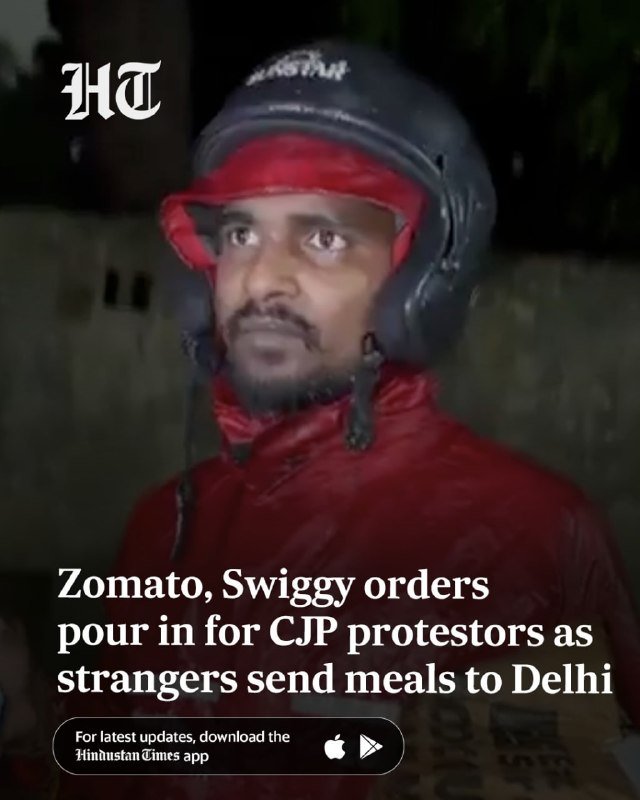
By 04:52 UTC on 20 July 2026, protesters and police were already hours into an overnight vigil at Jantar Mantar, a stone's throw from Parliament House in New Delhi. Metro stations flanking the route had been shuttered. Barricades, in numbers the city rarely deploys for a daytime rally, were going up along Rafi Marg. The trigger, per Scroll.in's live coverage of the moment, was a march called by the Collective of Journalism Professionals (CJP) demanding the resignation of Education Minister Dharmendra Pradhan over what organisers describe as a sustained assault on press freedom, anchored in the manipulation of the Press Registrar General of India and a string of opaque ownership transfers that have changed which titles reach which newsstands.
The opposition is no longer pretending this is just a press-freedom story. It is a parliamentary one. The CJP's demand is not for a panel or a White Paper but for a cabinet minister's head, and the choreography of the day, with Metro closures, Parliament-targeted barricades, and a march timed to the monsoon session, makes clear what the organisers are really testing: whether the Treasury Benches can be forced into a defensive vote on the floor of the House rather than at a press conference.
The arithmetic the ruling side would rather not count
The march is not happening in a vacuum. The Indian Express reported on 20 July that a new political formation, NCPI, is preparing for its Parliament debut with a "star cast of TMC rebels", defectors from the Trinamool Congress who now intend to sit on the opposition benches under a different flag. Read alongside the CJP march, the picture is one of a coalition-in-formation rather than a coalition-in-being. The BJP's headline parliamentary majority is intact; what is being assembled, slowly and noisily, is a counter-bloc that can credibly threaten floor-management on contested bills and convert street pressure into division-bell defeats.
Two facts stand out. First, the physical decision to march to Parliament rather than at Jantar Mantar is a deliberate escalation; previous press-freedom demonstrations have ended at the Mughal-era observatory site and dispersed. Second, the timing slots the protest inside the monsoon session's working hours, which means the optics inside the Lok Sabha will be set by the protest's absence even as the protest is happening a kilometre away. That is a sophisticated read of the BJP's own media cycle.
What the government is, and is not, saying
The official line, as captured in The Indian Express's overnight filing, is procedural: police are facilitating a lawful protest, Metro closures are a security precaution, and the Minister's office has not, as of publication, issued a statement on the resignation demand. Scroll.in's updates are equally disciplined in tone, treating the march as a live news event rather than an editorial cause. Neither outlet has yet reported arrests of named organisers, which suggests the security posture is calibrated to contain, not confront.
The counter-narrative, which the wire services have not amplified but which any Indian reader of the morning papers will recognise, is that the CJP is a small professional body punching well above its weight and that the metro closures are less about crowd management than about preventing the visuals from reaching Parliament's press gallery. Plausible, but the harder claim, that the protest has no purchase inside the Lok Sabha, does not survive contact with the NCPI story running in the same morning's papers. New parliamentary actors are arriving at the same moment the street pressure is peaking.
The structural frame, without the theory
What is worth naming, plainly, is that India is in a phase where opposition politics is being re-platformed. The INC is one player, the regional parties are another, and what the TMC-rebel NCPI story represents is a third: a vehicle built for parliamentary arithmetic rather than for state-level mobilisation. The press-freedom march, separately, is being routed through a professional-association brand (CJP) rather than a party banner, which gives it legal cover and limits the government's options for a hard response. Each of these moves is small. Read together, they suggest the opposition has concluded that the 2024 majority is best eroded by accumulating instruments, not by chasing a single dramatic confrontation.
What to watch this week
The serious question for the rest of the monsoon session is not whether Pradhan resigns, he almost certainly will not, at least not on a march-day ultimatum, but whether the CJP's allegations survive the procedural hurdle of a House debate. The BJP's preferred response to a resignation demand is to convert it into a wider controversy (judiciary, federalism, foreign funding) rather than engage it on its own terms. If, by the close of the week, no parliamentary time has been allotted to the substantive allegations flagged in the lead-up to the march, that silence will itself become the political fact of the week.
What remains genuinely uncertain is the actual size of the crowd once the monsoon session's business begins in earnest. Overnight vigils at Jantar Mantar are a tradition; sustained daytime turnout through a working parliamentary day is not. The NCPI's debut arithmetic is similarly untested. Two TMC rebels with press credentials do not make a parliamentary party, and the wire reporting on the launch is descriptive rather than confirmatory. Both stories are credible, both are early, and both deserve to be read as the opening moves of sequences whose length is not yet known.
Desk note: this piece treats the CJP march and the NCPI debut as two data points in the same reorganisation story, where the wire coverage has so far kept them on separate pages.