US CENTCOM wave strikes Bandar Abbas and Sirik as Iran-front escalation deepens
Two Iranian port cities along the Strait of Hormuz reported explosions within minutes of a US Central Command announcement of a new wave of strikes on 20 July 2026.
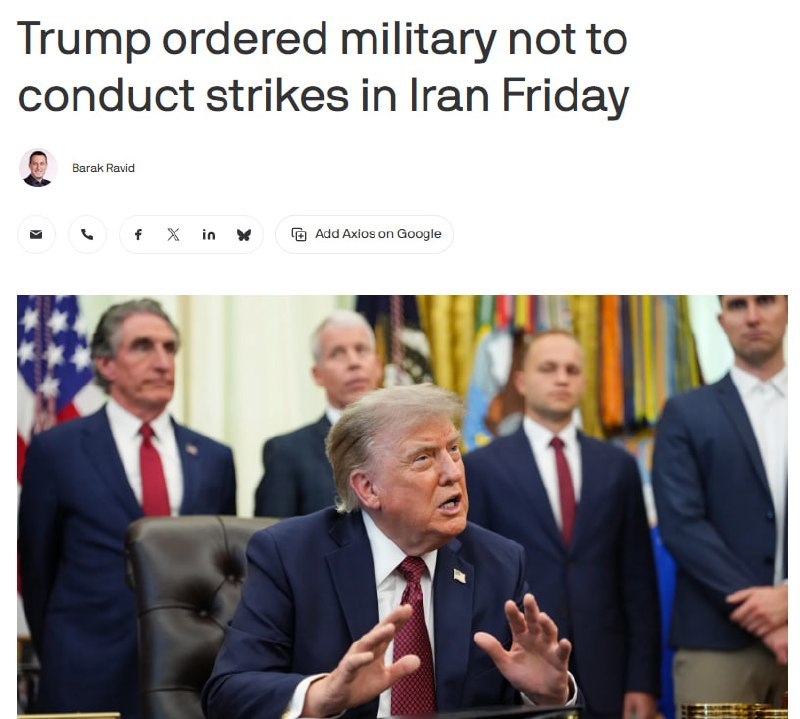
At 20:17 UTC on 20 July 2026, the War Frontier Witness channel posted a short alert: "U.S. airstrikes targeted Bandar Abbas a few moments ago." Within four minutes, the regional monitor AMK Mapping logged parallel explosions on Qeshm Island, the large island that sits astride the Strait of Hormuz, and the Iranian state broadcaster PressTV confirmed detonations in Bandar Abbas itself. By 20:21 UTC, outlets aligned with the Axis of Resistance carried a single, more dramatic line: US Central Command had announced a new wave of strikes on Iran, with blasts reported in both Bandar Abbas and Sirik, the smaller port down the coast toward the Persian Gulf entrance.
The geography is the story. Bandar Abbas handles the bulk of Iran's commercial shipping, much of it routed through the Strait of Hormuz. Sirik sits further east, closer to the choke point and adjacent to the IRGC Navy's fast-boat bastions in the Hormuz narrows. A coordinated strike package on both ports is not a symbolic gesture; it is a direct pressure point on the regime's revenue and on its ability to threaten Gulf shipping. It also marks the most public CENTCOM framing of the operation to date, after several weeks in which individual strikes were attributed to, or claimed by, Israel and to unspecified "US assets" in the region.
What the wire is saying
The early reporting came from three distinct categories of source, and they did not agree on the framing. AMK Mapping, an open-source-intelligence channel that specialises in Levant and Iran conflict mapping, kept the language neutral: "Explosions are reported in Bandar Abbas and Qeshm Island, southern Iran." PressTV, the English-language arm of Iranian state television, used the same factual baseline ("Explosions heard in Bandar Abbas, southern Iran") but stopped short of attribution. The Cradle, a Beirut-based outlet close to the Iranian-aligned axis, escalated to a claim: "US CENTCOM announces a new wave of attacks on Iran." War Frontier Witness posted in the same minute that "U.S. airstrikes targeted Bandar Abbas a few moments ago."
The pattern is familiar. Western and Israeli outlets, where they have picked up the strikes at all, have run them as a discrete tactical event inside a longer-running exchange that began with Israeli strikes on IRGC assets and accelerated after US forces entered the picture. Iranian state media, by contrast, framed the explosions as a sovereign violation requiring retaliation. The two framings are not mutually exclusive on the underlying fact; both rest on the same plume of smoke. They diverge sharply on what the fact means.
The Hormuz arithmetic
A strike package directed at Bandar Abbas and Sirik in the same operational window does not have to close the Strait of Hormuz to matter. It has to convince Tehran, and the IRGC Navy, that the cost calculus of any retaliatory move against Gulf shipping has changed. Roughly a fifth of the world's seaborne oil transits the strait; even a partial disruption is enough to add double-digit dollars to a barrel within hours. Bandar Abbas is also the terminus for pipelines and overland routes that move Iranian crude east, and the port that services much of the IRGC's fast-attack fleet.
This is the structural context inside which the 20 July strike sits. The US has spent the past several weeks signalling, through force posture rather than press conference, that any move by Tehran to weaponise the strait will be answered before the weaponisation is complete. CENTCOM's decision to put the operation under its own banner, rather than leaving attribution to a partner force, is itself a message: that this is now a US-run campaign, with Israeli strikes as the supporting element rather than the lead.
What remains contested
Three things the sources do not resolve. First, the targeting: the channels report explosions at two ports and on Qeshm Island, but none of the items in this thread specifies whether the strikes hit military infrastructure, fuel storage, radar and air defence sites, or port logistics. The casualty picture is also not addressed in any of the source items; Iranian state outlets have not, in this thread, released figures. Second, the Iranian response: PressTV's alert confirmed the blasts but stopped short of Tehran's official reaction. Whether the strike produces an immediate IRGC retaliation against Gulf shipping, an asymmetric strike on US bases in Iraq or Syria, or a calibrated diplomatic escalation is, on this evidence, undetermined. Third, the Israeli dimension: prior reporting in this corridor has consistently tied Israeli strikes to IRGC and proxy assets, and the CENTCOM announcement on 20 July does not address whether Israeli air power participated in this specific wave. The thread does not say.
A fourth, smaller caveat. Telegram channels that operate in active conflict zones sometimes amplify unverified claims under operational fog. AMK Mapping's neutral phrasing, PressTV's confirmation of detonations without attribution, and War Frontier Witness's direct attribution are not, on their own, independent corroboration. They are three observations of the same event from different vantage points, and the rest will have to wait for satellite imagery, Iranian official statements, and confirmation from CENTCOM itself.
Stakes over the next seventy-two hours
Three indicators will tell whether this is the opening of a wider campaign or a single calibrated strike. First, IRGC Navy activity in the Hormuz narrows: any movement of fast-attack boats toward the shipping lanes, or any closure announcements from the Ports and Maritime Organisation, would signal Tehran's choice to escalate. Second, oil futures: a sustained Brent move of more than five dollars on the back of this strike, rather than a short spike, would indicate the market is pricing sustained disruption rather than a one-off. Third, the diplomatic track: any read-out from Omani, Qatari, or Swiss mediators, all of whom have back-channeled with Tehran in past escalations, will tell whether a de-escalation off-ramp is being prepared or whether the US has decided to manage the escalation rather than contain it.
What is already clear is that the geography of the strike was deliberate. Bandar Abbas and Sirik together are the two nodes an Iranian closure of the Strait of Hormuz would have to control. Striking them in the same window is a way of saying, in the language CENTCOM now prefers, that the US intends to deny Tehran that lever before it is pulled.
Desk note: Monexus is treating this as a developing story. The sources in this thread are Telegram channels of varying alignment and Iranian state media; none of the major Western wires (Reuters, AP, AFP, BBC) had, at the time of writing, published a corroborating item on the 20 July strikes, and the casualty and targeting picture remains unverified. The piece will be updated as primary-source confirmation arrives.
Wire provenance
This editorial synthesis draws on the following public wire/social posts:
- https://t.me/thecradlemedia
- https://t.me/rnintel
- https://t.me/wfwitness
- https://t.me/presstv
- https://t.me/AMK_Mapping