Explosions and sirens at Aqaba: Iranian state media reports strikes on US bases in Jordan
Iranian state outlets al-Alam and Tasnim reported explosions and air-raid sirens near US bases and the port of Aqaba on 20 July 2026, with no immediate confirmation from US or Jordanian authorities.
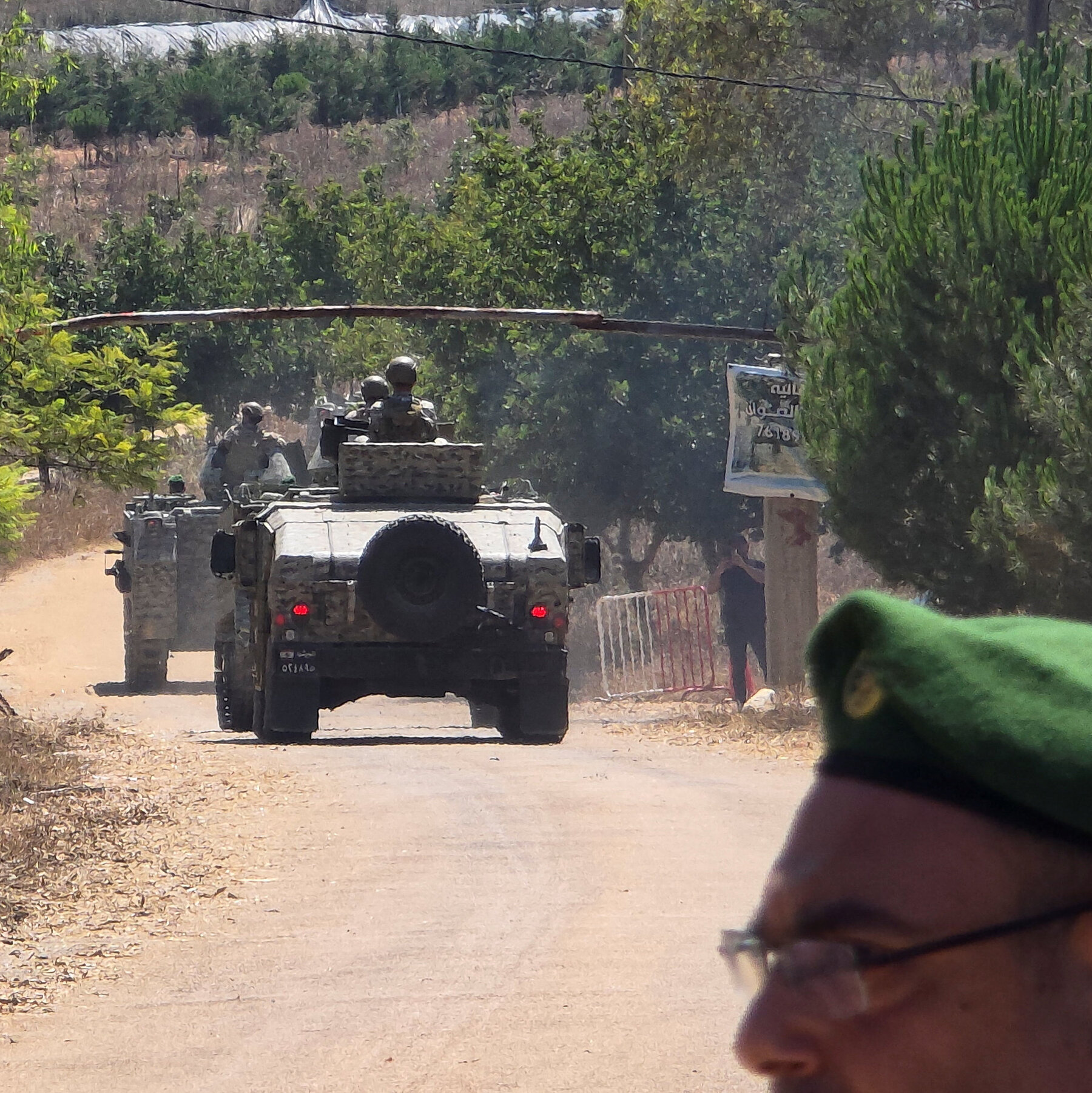
Explosions and air-raid sirens were reported in and around the southern Jordanian port city of Aqaba on the afternoon of 20 July 2026, according to Iranian state-aligned outlets. The Beirut-based al-Alam network, citing unspecified news sources, said at 18:18 UTC that "the sound of massive explosions was heard in the American bases in Jordan," and at 18:17 UTC that warning sirens had activated in the port of Aqaba. Iran's Tasnim news agency, writing on its Jahan Telegram channel at 18:13 UTC, carried matching reporting: an explosion heard inside Jordan, sirens sounding in the coastal city of Aqaba, and the activation of air-raid warning systems.
The single fact that can be anchored to the public record so far is narrow but consequential. Two Iranian state media organisations, on opposite ends of the Iran-to-Levant information chain, independently filed near-simultaneous dispatches describing explosions and the activation of sirens at Aqaba, a city that hosts both commercial port infrastructure and a known US military presence. Neither the US Central Command (CENTCOM), the Jordanian Armed Forces, nor the Jordanian Public Security Directorate had issued a public confirmation at the time of the reports, and al-Alam itself flagged the information as coming from unnamed "news sources." What is missing is what the Iranian outlets do not say: the target, the perpetrator, the casualty picture, and whether any damage occurred at the port or at the US facilities in the country's south and east.
What Aqaba actually hosts
Aqaba is Jordan's only sea outlet, a container and bulk terminal that handles the bulk of the country's imports and a chunk of its phosphates exports. It is also a long-standing host site for US and coalition military logistics, including use of port facilities and nearby airfields. Reporting on the size and disposition of the US footprint in Jordan is partial; CENTCOM does not routinely publish unit locations, and previous US force posture statements have generally described deployments as rotational and in support of Operation Inherent Resolve and counter-ISIS training missions. The reported sirens and explosions, if corroborated, would land in a city where the civilian and military footprints sit within a short drive of each other. That proximity, not just the symbolic geography of a US base on Jordanian soil, is what makes the early reporting material.
How the sourcing reads
Both dispatches are Iranian state media. al-Alam is the Arabic-language satellite network of Iranian state broadcasting, headquartered in Beirut; Tasnim is a news agency close to Iran's Islamic Revolutionary Guard Corps and a regular conduit for security-related framing in regional conflicts. Their near-simultaneous filing on a developing event is itself a familiar pattern: when the IRGC's information ecosystem wants an event on the regional news ticker quickly, Tasnim often publishes first in English-friendly Farsi-language copy, with al-Alam following in Arabic within minutes. The identical phrasing about "massive explosions," "warning sirens," and the port of Aqaba is consistent with that pattern of coordinated messaging.
For a reader trying to gauge reliability, the relevant question is not whether Iranian state outlets would publish a real event. They sometimes do, and the geography they describe is plausible. The question is what their editorial function adds. State outlets under Iranian editorial oversight tend to over-attribute agency to external actors when the event suits a hostile narrative, and to compress uncertainty into declarative language. The word "massive" in al-Alam's flash is itself a tell: it specifies a magnitude the underlying sources, by al-Alam's own admission, did not provide.
The counter-narrative and what is missing
The most consequential absence from the public record is on the receiving end. No US military spokesperson has confirmed or denied damage to US positions in Jordan. The Jordanian government's communications apparatus, which normally moves quickly on any security incident inside its territory, has not been heard from in the two windows after the Iranian dispatches posted. Reuters, the Associated Press, Al Jazeera, and the BBC have not, in the source material available, run their own wire confirmation at the time of the Iranian reports.
A second counter-reading is procedural. Siren activations in Aqaba have, in past security scares, been triggered by false alarms or by exercises coordinated with the Jordanian Civil Defence Directorate. The dispatch does not specify whether the sirens were connected to a live threat or to a drill. That ambiguity is not an exoneration; it is a reason to hold the headline as "reported" rather than "confirmed" until independent sourcing catches up.
What to watch next
Three signals will move the story from "reported by Iranian state media" to something firmer. First, a CENTCOM or US Department of Defense statement on the disposition of US forces in Jordan, including whether any personnel were injured or any facility took damage. Second, a Jordanian Armed Forces or government spokesperson statement, which carries weight precisely because Amman rarely comments on incidents at US facilities inside its territory and only does so when the security situation crosses a threshold. Third, satellite imagery or commercial flight-tracking data showing disruption around the port or the known US bases in the country's south and east.
Until at least one of those three signals lands, the honest read is that two Iranian state-aligned outlets reported an explosion and sirens at Aqaba on the afternoon of 20 July 2026, and that no independent confirmation has yet emerged. The temptation to treat the absence of denial as quiet confirmation should be resisted. Coverage routinely defers to the language of official spokespeople on the receiving end of an attack; until those spokespeople speak, the public record is what the Iranian outlets say it is, and no more.
Desk note: Monexus is running this story on the strength of two Iranian state-aligned dispatches and is flagging the source provenance explicitly. Where wire confirmation lands, this article will be updated; where it does not, the headline will be walked back rather than laundered.
Wire provenance
This editorial synthesis draws on the following public wire/social posts:
- https://t.me/alalamfa/
- https://t.me/alalamfa/
- https://t.me/JahanTasnim/
- https://en.wikipedia.org/wiki/Aqaba
- https://en.wikipedia.org/wiki/Al-Alam
- https://en.wikipedia.org/wiki/Tasnim_News_Agency