Trump pairs Iran sanctions with Russia package as CENTCOM pressure talk intensifies
Two developments inside 15 hours: Polymarket-trader reports that Trump wants Iran folded into the Russia sanctions bill, and an Unusual Whales brief that he has directed CENTCOM to 'open the gates of hell' on Tehran. The signals point in opposite directions.
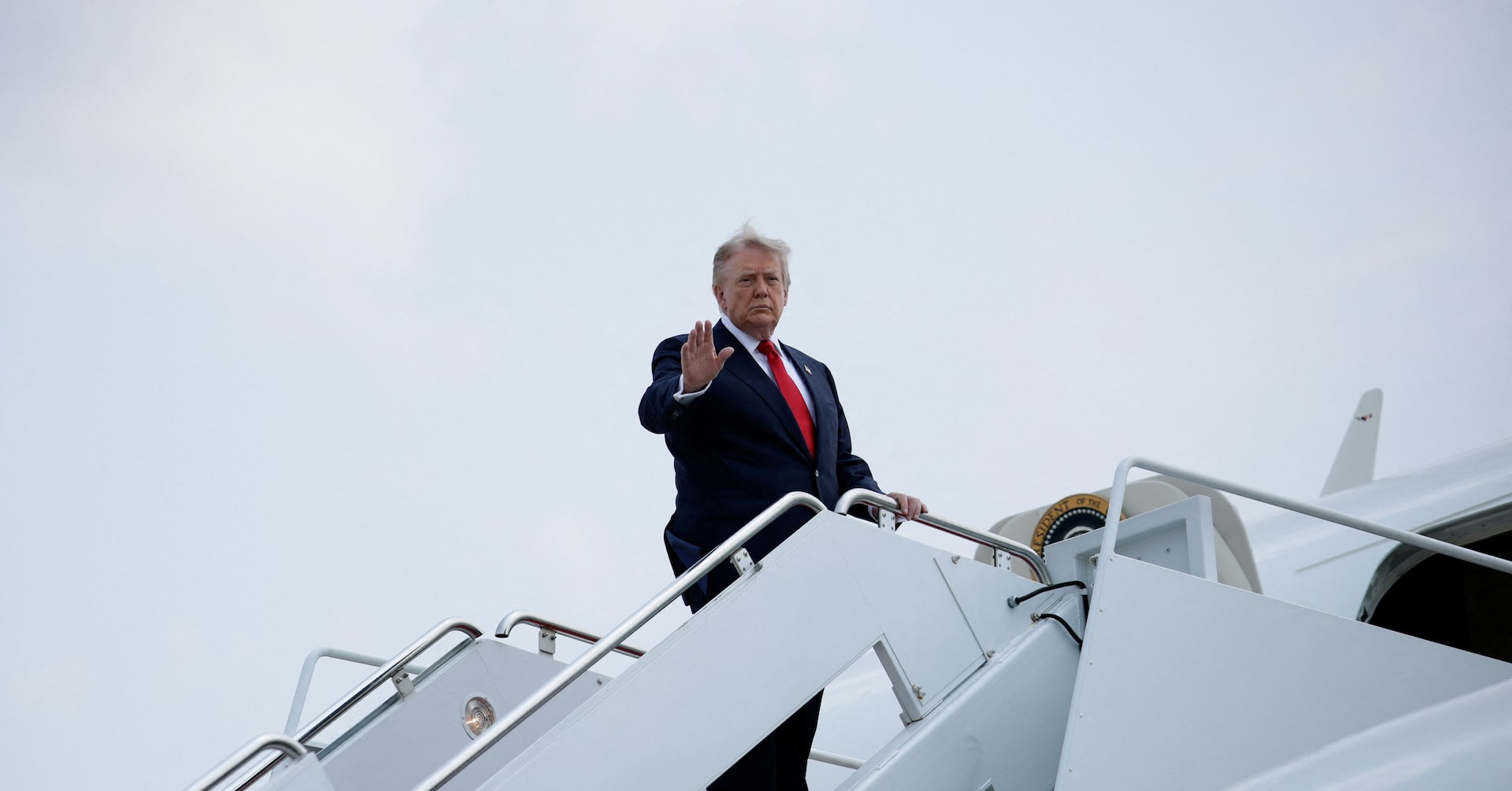
A Polymarket-circulated ticker flashed at 13:07 UTC on 19 July 2026, claiming that President Donald Trump has proposed folding Iran into the sanctions package currently moving through Congress against Russia. Roughly fifteen hours earlier, at 21:55 UTC on 18 July, an Unusual Whales social post citing the C14 account reported that Trump had directed US Central Command to "open the gates of hell" on Iran. Read separately, the two items are fragments. Read together, they describe a White House scrambling between two registers: legislative escalation and military signalling.
The contradiction is the story. A sanctions bill is a slow, leaker-proof instrument: it has committee markup, hearings, floor votes, a conference report and a presidential signature. A CENTCOM directive, if real, is the opposite: operational, deniable, and built to land before the ink on any bill is dry. The gap between those two clocks is where the next phase of US-Iran policy will be decided.
What the two reports actually say
The Polymarket channel, which reposts breaking-news pings fed to prediction-market traders, carried a one-line item on 19 July at 13:07 UTC: "JUST IN: Trump proposes adding Iran to the Russian sanctions bill." The post names no bill number, no congressional sponsor and no rollout schedule. It functions as a market-moving headline rather than a confirmed policy announcement.
The Unusual Whales item, posted fifteen hours earlier on 18 July at 21:55 UTC, is sourced to the C14 account, a handle that has surfaced previously inside conservative US political ecosystems. It frames the move as a CENTCOM directive rather than a Treasury-led financial measure. The "open the gates of hell" phrasing matches a register Trump has used before against Iran; the verbatim wording is not independently corroborated in the thread.
Neither post contains an official White House statement, a Treasury action, a Pentagon readout or a CENTCOM public-affairs confirmation. Both treat a presidential impulse as news.
Why pairing the two matters
Sanctions bills and combatant-command tasking live on different tracks and answer to different oversight chains. A Russia sanctions package that adds Iran pulls the dossier into OFAC's administrative machinery, where designation lists, secondary-sanctions risk for third-country banks and orderly enforcement timelines make the policy legible to markets. A CENTCOM directive routes through operational plans, force posture and rules of engagement, where disclosure is discretionary and timing is set by commanders.
Trump has form for both. His first administration withdrew from the Joint Comprehensive Plan of Action in 2018 and re-imposed sanctions through Treasury; it also authorised the strike that killed Quds Force commander Qasem Soleimani in January 2020 via CENTCOM, after which he publicly walked the operation back within days. The two-noted instrument is a known feature of this White House, not an accident: financial pressure is the durable lever; military pressure is the price of admission.
What is unverified
The sourcing is thin and partisan-coded. Polymarket's value lies in pricing probability, not in breaking original reporting; the platform aggregates trader signals and feeds them back out as news. Unusual Whales is a retail-investment account with a transparent tilt; C14 is a handle that circulates within a specific political media subculture. Neither is a wire service, and neither carries a press officer's byline. Iranian state-aligned outlets have not yet, as of the timestamps above, reported either move in their own voice, which is itself notable: Tehran's English-language services typically treat any reported escalation as a story.
Two corroboration routes remain open. The first is congressional: if a sanctions measure covering Iran is filed, named and numbered, the story becomes a legislative fact within hours. The second is defence-department disclosure: a CENTCOM public-affairs briefing, a Pentagon readout, or an Israeli or Gulf partner confirming a posture change would convert the C14 phrasing into a verifiable order. Until one of those arrives, the two threads describe US intent at the level of rumour, not policy.
What to watch next
The next 72 hours will sort the signal from the noise. Three filings matter. First, any Treasury action designating Iranian entities under a Russia-linked authority, which would convert legislative chatter into enforceable law. Second, any movement of US naval assets in the Persian Gulf, the Arabian Sea or the Strait of Hormuz, which CENTCOM announces via operational channels rather than press releases. Third, an Iranian response: state-media coverage, a foreign-ministry briefing, or a quiet IRGC-affiliated outlet framing, each of which would tell outside readers whether Tehran believes the threat is real.
The substantive question is not whether Trump wants more pressure on Iran. Both items say he does. The question is which instrument he chooses first: a sanctions bill that drags Congress into a months-long fight, or a CENTCOM tasking that puts the timetable in the hands of generals. The two reports, posted fifteen hours apart, suggest he has at least reached for both at the same time. Past pattern suggests one will stick and the other will be walked back before the week is out.
Desk note: Monexus is reporting this as a market-coded signal pending official confirmation, not as confirmed US policy. The Polymarket and Unusual Whales postings are treated as wire-adjacent; an update will follow if a Treasury designation, a Pentagon readout or a congressional filing lands before the next news cycle.
Wire provenance
This editorial synthesis draws on the following public wire/social posts:
- https://t.me/polymarket/1234
- https://t.me/unusual_whales/5678
- https://en.wikipedia.org/wiki/United_States_Central_Command
- https://en.wikipedia.org/wiki/Iran_sanctions