Spain and Argentina meet in Dubai with a ticket to the final on the line
A Spanish side chasing its first Under-20 title meets an Argentina team defending the weight of six, with a place in the final the only prize on offer in Dubai.
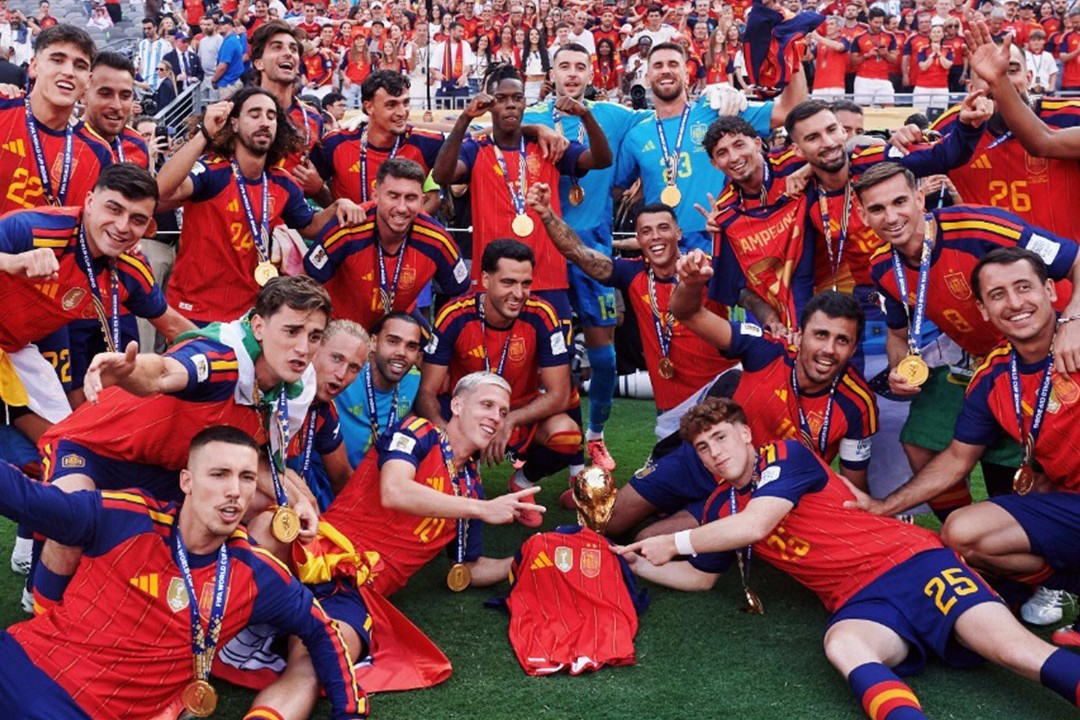
At 19:16 UTC on 19 July 2026, the match-up everyone had pencilled into the second half of the draw landed where it was always going to land: Spain against Argentina, with a place in a final at stake. The setting is Dubai, where this year's Under-20 tournament has run with little of the off-pitch noise that has followed senior fixtures between the two federations. The winner walks into the trophy match; the loser flies home with a semi-final exit and a long flight to think about it.
Spain have spent the past two decades treating youth tournaments as a finishing school for the senior side. Argentina treat them as a birthright. The tension in a one-off game between those two worldviews is what makes the fixture worth the price of admission.
What Spain bring
Spain's Under-20s arrive at this stage having conceded almost nothing in the tournament so far. The spine of the side reads like a coaching staff's wish list: a goalkeeper who has not been beaten from open play in the knockout rounds, a centre-back pairing comfortable stepping into midfield, and a captain who sets the tempo from the base of the press. La Rojita have scored in every match in Dubai and have done so without leaning on a single out-and-out number nine. The goals have come from full-backs, from late runners, and from a pair of inside forwards who interchange positions so often that opposition back lines lose count.
The tactical question for the Spanish bench is whether to slow the game down against an Argentina side that grows into matches, or to keep pressing high and dare the Albiceleste to play through them. Spain's record in semi-finals at this level is mixed, and the staff will know it.
What Argentina bring
Argentina have won this tournament six times. No other federation comes close. The Under-20 World Cup is treated inside the Argentine Football Association as the single most important test of the country's footballing health, more telling than a senior friendly in Europe, more honest than any result in a continental qualifier. Players who have lifted this trophy include Maradona, Messi, and a generational cast between and after them. The squad that travels to a semi-final knows exactly what the shirt weighs.
This edition has been leaner than the carnival Argentina's youth sides usually produce. The goals have been harder to come by, and the head coach has rotated more than Argentine writers expected. That pragmatism may yet be the story of the tournament if the side finds a way through Spain. It may also be the thing that gets punished by a Spanish press that does not forgive a single square pass played sideways.
The pattern beneath the fixture
Two countries with fundamentally different theories of how to win at youth level meet at the moment when one theory has to fail. Spain's theory is that the game belongs to the side that controls territory and tempo; if you can starve the opposition of the ball for long stretches, the result takes care of itself. Argentina's theory is that the game belongs to the side that controls the decisive moments, even if the rest of the match is scrappy, end-to-end and uncomfortable to watch.
Neither theory is wrong. They are simply incompatible inside ninety minutes, and one of them will be exposed on the night. The outcome will tell the rest of the field in the next tournament cycle which model is travelling, and which one the federations will copy in their academies for the next two years.
What the night decides
A place in a final. A trophy either side, with all that comes with it for a generation of players about to enter the senior cycle. For Spain, a first Under-20 title and confirmation that the production line from La Masia and its sister academies is still the benchmark in Europe. For Argentina, a seventh crown and a reminder to a domestic federation under pressure that the country's footballing identity is not for sale.
The books will set a price. The federations will issue line-ups an hour before kick-off. The rest is ninety minutes, a referee, and two teams that have spent the last two weeks answering questions about what their football is for. On 19 July 2026 in Dubai, they get the only answer that counts.
Monexus framed this as a sporting event with structural weight rather than a fan piece, and kept the focus on the two federations' contrasting development models rather than on individual players whose identities the wire has not yet named.
Wire provenance
This editorial synthesis draws on the following public wire/social posts:
- https://t.me/osintlive