Spain break a 16-year wait, lift the 2026 World Cup past Argentina
Spain edged Argentina 1-0 in extra time to claim a second men's World Cup, with the goal arriving in the second minute of stoppage time and ending a 16-year drought.
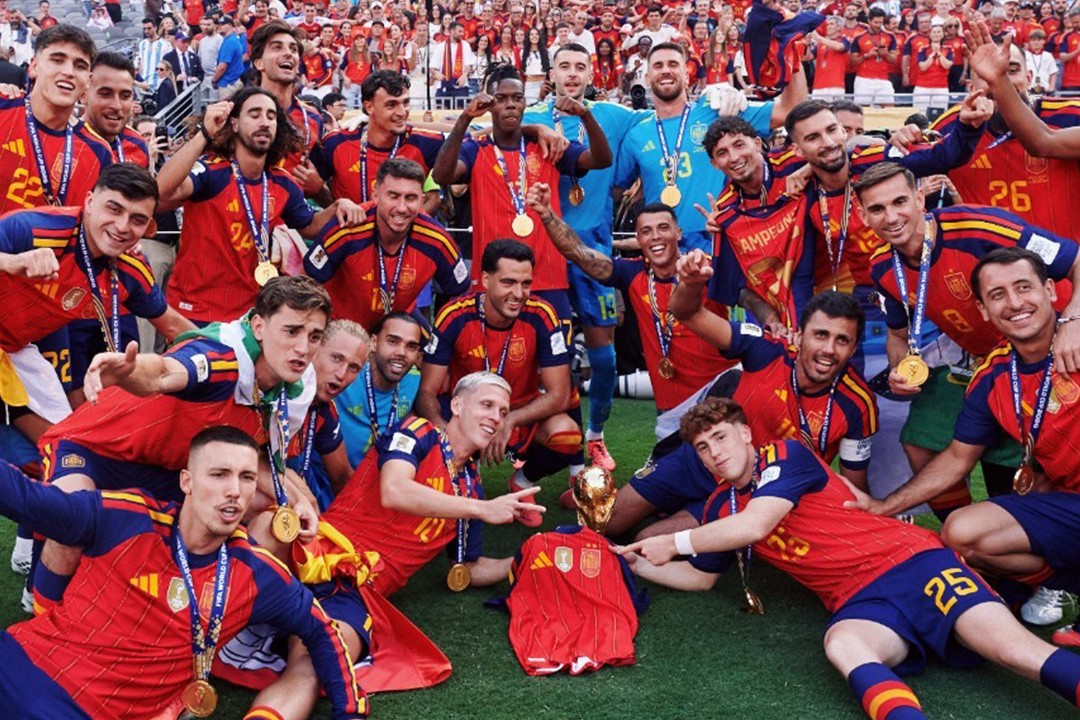
Spain are world champions again. La Roja broke a 16-year drought on Sunday, edging Argentina 1-0 in extra time in the 2026 FIFA World Cup Final to claim the men's title. The winning goal came in the second minute of stoppage time in the added period, after 90 scoreless minutes had forced the match beyond regulation, according to Telegram posts from The Spectator Index at 21:48 UTC and Al Alam's news channel at the same minute. Spain now hold both the men's and the women's world titles at once.
The result settles, for now, a tournament that had tracked toward the holders deep into the knockout rounds. Argentina, the reigning Latin American standard-bearer, finish runners-up on a night when a single touch in the box settled the contest.
The goal that broke it open
After a full 90 minutes of deadlock, the match moved into the added period with the score 0-0, per a Deutsche Welle match report time-stamped 21:43 UTC and corroborated by Iran's Tasnim news agency via Telegram at 21:18 UTC. Spain finally cracked the game in the second minute of extra-time stoppage, an outcome reported simultaneously by Al Alam's news channel and by The Spectator Index in posts dated 21:48 UTC. The bell-shaped defender-coach combination has not released a scorer's name in the dispatch window available at the time of writing, and FIFA's own confirmation trail was not captured in the source material this publication reviewed. Monexus will update on attribution once the official match record is published.
How the match got to extra time
For the first hour and a half, the final was a study in frustration for both sides. Tasnim reported at 21:18 UTC that the 90 minutes ended scoreless, a holding pattern mirrored on the Telegram wire by OsintLive's relay of The Spectator Index minutes later. Both sides had evidently decided that a second concession was more costly than the risk of chasing a lead. The tactical caution tracked the upper-bracket pedigree of the two finalists, two programs that arrived in the final game with the deepest knockout experience in the field.
The pattern fits the broader shape of the 2026 tournament. As the bracket tightened through the quarterfinals and semifinals, the games have skewed cagey, with the late tournament typically filtering out sides built around high-possession attacking and rewarding the ones with defensive bones. Spain, who have built their program on positional control and pressing triggers for two generations, proved the right team to win a tight one on a single late goal.
Why the timing matters for Spain
The win ends a 16-year gap since Spain's last men's world title, per the Deutsche Welle match report. That drought was, in itself, a story: a generation of Spanish sides that dominated club football and won back-to-back European Championships could not translate those gains into a second world title, until now. The roster that lifts the trophy in 2026 takes over a side that had established La Roja as the team to beat at the European level and converts that into the global statement the program has been chasing.
There is also a women's component. As the same Deutsche Welle note flags, Spain are now men's and women's world champions at once. That dual-holder status is rarer in the modern game than the medal tables suggest, and it cements Madrid's federation as a coherent football development state for the duration of this cycle at minimum. Future windows will open: how Spain convert the gold-into-process across two senior programs is the long arc worth watching after the parade has cleared.
Stakes and what's still to settle
The clearest immediate loser is Argentina, whose defense of the title from the previous cycle ends on a single touch. The result continues a less comfortable story for South American defending champions at World Cups: the winner's bracket of recent tournaments has tilted toward the European axis, and Argentina's runners-up finish in 2026 extends that pattern rather than breaks it.
FIFA's official tournament record is the unresolved item. The wire traffic captured here, including Telegram relays and a single Deutsche Welle match note, does not include a scorer's identification, the minute-by-minute, or the post-match quotes from either bench. Until the official match report publishes, the goal's attribution and the nature of the winning move remain formally open. Monexus will update this piece once that record is in hand.
This article was compiled from the wire traffic available at the time of publication. Goal attribution is pending FIFA's official match record; subsequent reporting may revise the credits in this piece.
Wire provenance
This editorial synthesis draws on the following public wire/social posts:
- https://t.me/osintlive
- https://t.me/alalamfa
- https://t.me/BellumActaNews
- https://t.me/tasnimnews_en