Netflix's Murdoch biopic buy signals a streaming arms race for prestige cinema
Danny Boyle's 'Ink,' already set to open the Venice Film Festival, lands at Netflix for U.S. and Latin American distribution. The deal adds fresh evidence that prestige cinema is consolidating among a small group of platforms willing to outbid theatrical exhibitors.
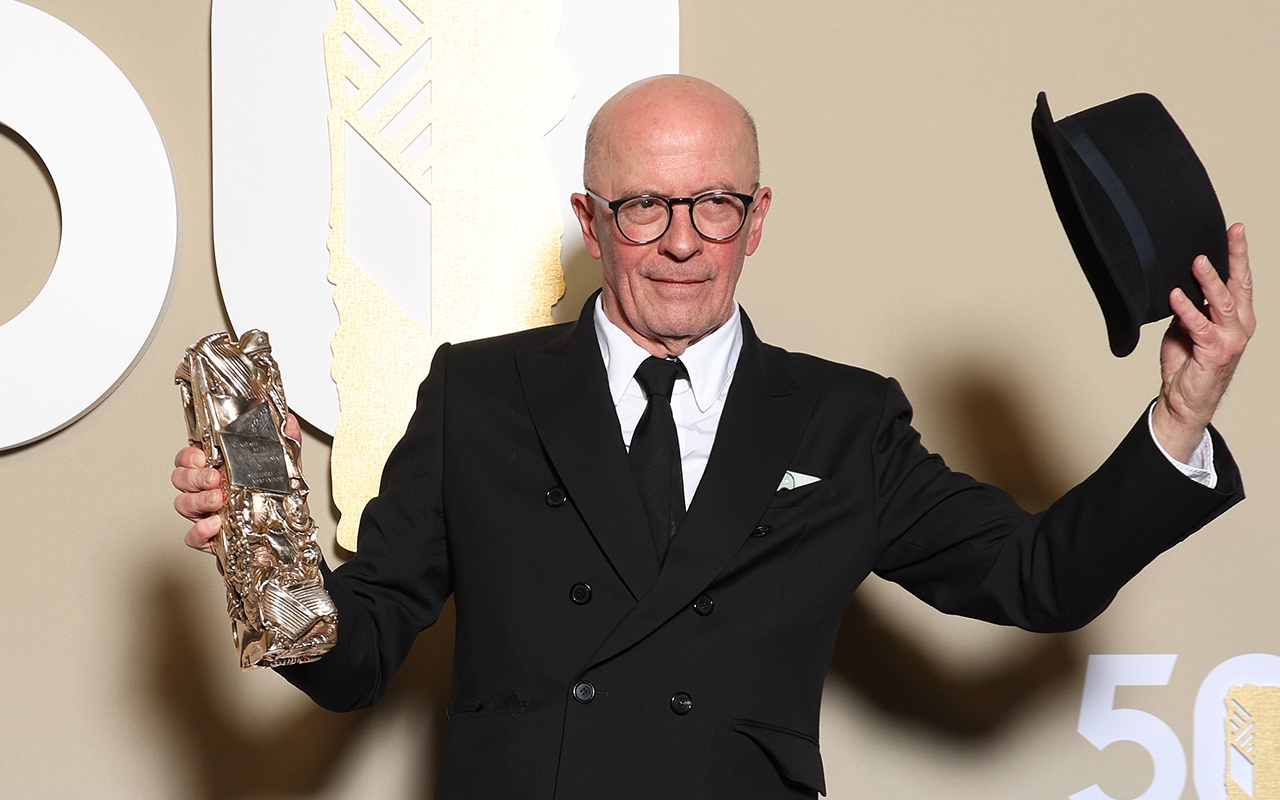
On 17 July 2026, Variety reported that Netflix had acquired the U.S. and Latin American rights to Danny Boyle's latest feature, Ink, hours after the film's selection as the opening-night title of the 83rd Venice International Film Festival was announced.
The acquisition is small in dollar terms by Netflix's standards; the company has spent well over $1bn on original film and series content annually since 2020, according to its own earnings disclosures. What makes it notable is timing and territory. A film made for festival prestige, picked as the curtain-raiser at one of cinema's most-watched showcases, is going to a platform whose default exhibition model is the sofa rather than the cinema seat. The shift is a small data point in a much larger consolidation of attention, capital and curatorial power that has been underway in screen culture for the better part of a decade.
A festival, a film and a back catalogue
Ink is a biographical drama built around the early career of the Australian-born media proprietor Rupert Murdoch, dramatising the period when a young editor inherited a small chain of Australian papers and remade it into the nucleus of an international news empire. Variety, which broke the acquisition, did not disclose financial terms or the precise split of rights between Netflix and the film's other distributors. The story is a portrait of the mid-twentieth century press wars, told from the inside of the newsroom rather than the boardroom.
Venice's programming committee, chaired by Alberto Barbera, has used the opening slot in recent years to give global festival oxygen to films whose commercial prospects would otherwise depend on arthouse rolls and awards play. Placing a Murdoch biopic in that spot carries its own charge: a story about the concentration of media power, given its widest visible release by the largest aggregated audience on the planet. The film's selection was announced earlier in the week by the Venice Biennale; the Netflix deal was confirmed to Variety within hours.
What the streamers actually want
For Netflix, the underlying calculation is not much of a mystery. The acquisition adds a high-profile title to a Venice-calendar autumn that is already crowded with would-be awards contenders. Reuters and the BBC have reported in their respective 2026 festival-season previews that this year's race is unusually compressed between streaming-first releases and a smaller-than-usual slate of independent theatrical contenders. Ink enters the conversation as a piece of curated cultural capital: it is the kind of film that, in an earlier era, would have anchored a Harvey Weinstein or a Fox Searchlight theatrical run.
The alternative reading is that Netflix simply wants a regular diet of prestige-adjacent content to keep a global subscriber base feeling that its premium tier is doing cultural work. Sceptics of the streaming-first model point to the gap between a film's festival airtime and its viewership metrics: openers at Venice draw enormous press coverage, then frequently underperform in platform completion rates. The release strategy for Ink has not been disclosed, so it is not known whether Netflix intends to give the film a limited qualifying theatrical run in the United States, which is now permitted under its updated exhibitor-compensation framework as Variety has previously reported.
A single screen, fewer buyers
The structural story is older than this deal. Between 2018 and 2025, the number of major Western distributors competing at Venice, Cannes and Toronto shrank considerably as media conglomerates merged streaming and theatrical arms. Variety's own reporting has tracked how films now move through smaller groups of buyers than they did a decade earlier. The Murdoch subject matter adds a layer of obvious commentary: a film about the consolidation of press ownership is being financed and released by the company that has done more than any other to consolidate television distribution in the same generation.
There is a counter-narrative worth airing. Festival cinema has thrived in some ways during the streaming era, not collapsed. The Berlinale, Cannes and Venice each year programme more films than they did in the early 2010s; the number of directors with global platforms has, if anything, increased. The squeeze is on the mid-budget theatrical picture, not on the festival item itself. Ink sits at the intersection, which is why the acquisition matters more than its terms.
What to watch next
The Venice Film Festival opens in late August 2026. By that date the most interesting question will not be whether Ink opens to favourable reviews, but how Netflix sequences its release: a small qualifying run for awards eligibility, a same-day drop, or the staggered theatrical-then-platform model that has become its house style. Whatever the choice, the deal quietly confirms the direction of travel. The platform that has the largest subscriber base, the deepest content budget and the weakest commitment to theatrical exhibition now routinely outbids the cinema chains for the films that set the cultural conversation each autumn.
For film culture the practical consequence is that curators at the streaming companies are doing more and more of the work that arthouse distributors and festival programmers once shared. The programmers have not lost their seat at the table. They are simply sharing it with a smaller number of buyers, whose appetites are wider and whose windows are shorter.
This piece was framed as arts-industry reporting rather than platform-corporate-coverage; the underlying signal is on the deals ledger, not on the C-suite.