Unconfirmed Iranian missile launches from Kermanshah expose the fog of Telegram war
Four alerts in five minutes from a single Telegram channel claimed Iranian ballistic launches from Kermanshah. The episode is a reminder of how much wartime information now flows through unverified relays.
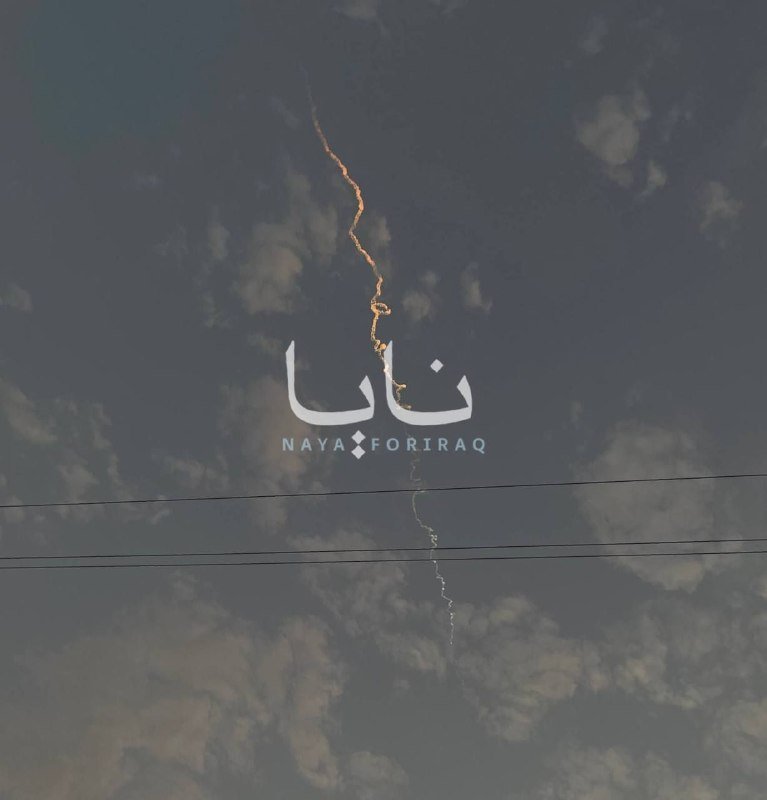
At 13:07 UTC on 19 July 2026, a single Telegram channel posted an alert: explosions in Kermanshah, western Iran, cause unknown. By 13:12 UTC, the same account had escalated twice in five minutes, claiming two Iranian ballistic missiles had lifted from Kermanshah and that explosions had followed in Abadan, more than 600 kilometres to the south-east. No second source confirmed the launches. No official Iranian outlet carried them. The thread is the story.
The episode is less a piece of breaking news than a snapshot of how Middle Eastern war information now travels. Telegram channels that aggregate unverified sightings, geolocated videos, and aviation-tracker screenshots have become the first stop for journalists, diplomats, and traders trying to read events that the parties involved have reasons to obscure. The speed is real. The verification layer is thin.
What the chain actually says
The Telegram channel @rnintel posted four alerts between 13:07 and 13:12 UTC. The first reported explosions in Kermanshah with no cause given. The second, one minute later, asserted "initial reports of ballistic missile launches from Iran." The third, at 13:11 UTC, claimed two missiles had launched from Kermanshah with targets unknown. The fourth, at 13:12 UTC, added explosions in Abadan in southwest Iran. The cadence is the kind of iterative narrowing that, in a more accountable reporting environment, would have been paired with on-the-record confirmation. Here, it is the entire product.
The geography is internally coherent: Kermanshah in the west is home to long-range missile infrastructure, and Abadan, across Khuzestan in the south-west, has been the target of periodic coverage in regional outlets for cross-border incidents. The chain's claim is therefore plausible. Plausibility is not verification.
The counter-frame: nothing happened
The honest alternative reading is that nothing of the sort occurred, or that what occurred was an internal Iranian weapons test reported through a noisy relay. Western wire services did not publish on the alerts in the window covered by the thread, and the Iranian state outlets that typically acknowledge domestic military activity remained silent. Iranian state media has historically been reluctant to confirm launches launched from its own territory unless framed as retaliatory. A muted response from Tehran is, on its own, inconclusive: silence in wartime can mean denial, embarrassment, or simply a delay pending a formal statement.
The structural problem is that no participant in the chain has a clear incentive to correct the record quickly. The Telegram account earns reach from speed, not from accuracy. Regional adversaries of Iran have an interest in amplifying any signal of Iranian missile activity. Iran's preferred narrative is to disclose launches only when politically useful. The reader is left holding a stack of unverified claims with no anchor.
Why Telegram now sets the clock
Open-source intelligence, or OSINT, the practice of deriving intelligence from publicly available sources, was once the slow trade of analysts stitching together satellite imagery, shipping trackers, and social-media posts over hours. By 2026 it has been compressed into minute-by-minute channel updates that journalists, brokers, and policy staffers monitor in real time. Telegram's combination of light moderation, broadcast reach, and near-total pseudonymity has made it the preferred substrate. A single posting account can drive front-page headlines within the same news cycle, and sometimes inside a single hour.
The asymmetry is striking. The platforms that move fastest are precisely those with the weakest editorial control. Major wire services still require named correspondents, multi-source confirmation, and a chain of editors. The channels that beat them into publication operate on a verification budget close to zero. In a region where information has direct effects on oil prices, airline routes, and missile-defence alerts, that gap has consequences.
What to watch next
Two signals would convert the Kermanshah thread from noise to event. First, geolocated footage: open-source analysts will spend the next 24 hours searching for video of a launch signature, contrails, or impact craters around Abadan or any claimed target. Second, Iranian state acknowledgment: a Tasnim or IRNA report of a drill, a test, or a strike against a named adversary would either confirm the launches or recast them as routine activity the regime chose to publicise late. Until one of those arrives, the 13:07 to 13:12 UTC window is a four-message record of a chain in motion, not a record of an event.
The rest is fog, and fog, in 2026, travels at the speed of a push notification.
This publication treats Telegram war alerts as leads to verify, not as reported fact. Where the wire desk has confirmation, it leads with confirmation. Where it does not, it marks the gap.
Wire provenance
This editorial synthesis draws on the following public wire/social posts:
- https://t.me/rnintel
- https://t.me/rnintel
- https://t.me/rnintel
- https://t.me/rnintel