Shoot-down at sea and a sanctions pivot: two Iran signals land within ninety minutes
Tehran says it downed a US LUCAS drone over the Gulf on Saturday; ninety minutes earlier, Washington was floating Iran into a Russia sanctions bill. Both moves reshape the pressure campaign.
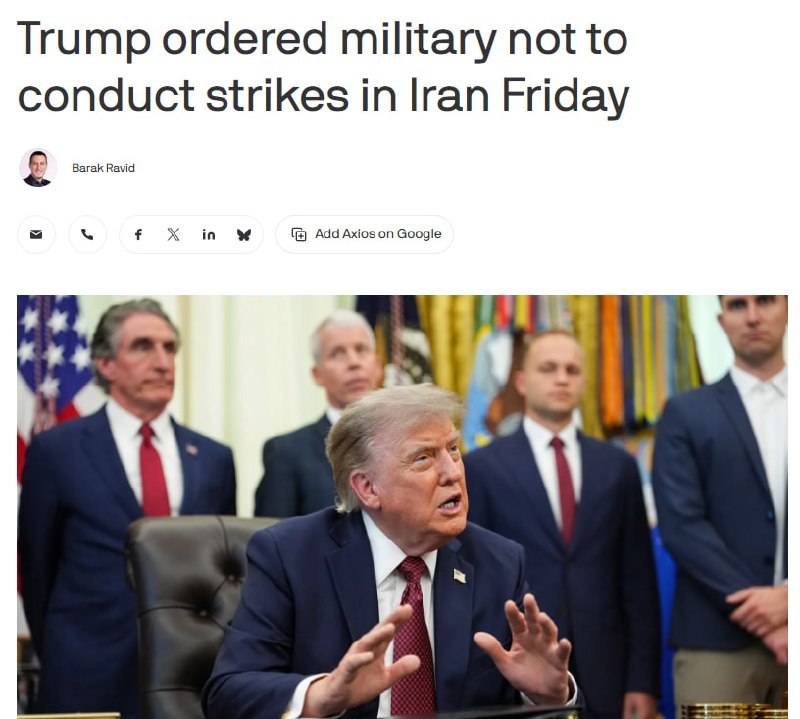
Iranian state-aligned media reported at 14:53 UTC on 19 July 2026 that Iranian forces had shot down a US LUCAS drone over the Persian Gulf, a maritime surveillance aircraft. The claim landed roughly ninety minutes after a separate development surfaced in Washington: President Donald Trump has proposed folding Iran into the sanctions legislation the United States is preparing against Russia, according to a 13:07 UTC X post citing reporting on the move.
The sequencing matters more than either item on its own. A shoot-down on the water and a sanctions escalation in Congress are the two pressure valves the United States has historically turned when diplomacy stalls. Turning both inside a single afternoon suggests the diplomatic track is not so much frozen as being deliberately shelved.
What the LUCAS was doing over the Gulf
The LUCAS is a US Navy lighter-than-air platform used for persistent maritime surveillance across the Gulf and the approaches to the Strait of Hormuz. Iranian forces have shot down or seized US maritime drones in the area before; Tehran framed the 14:53 UTC incident as a sovereign reaction rather than an escalation. Iranian state-aligned coverage on BRICS News carried the claim without offering wreckage coordinates, transponder data, or a strike timeline that the US Navy has publicly corroborated. Neither the US Fifth Fleet nor Central Command had issued an on-the-record confirmation at the time of writing; the framing therefore rests on a single track of reporting that the sources do not specify.
The LUCAS is not a crewed aircraft. Its loss is operationally awkward, not catastrophic: the platform is replaceable, and its downing does not put US personnel at direct risk. What it does is reset the operating picture. Iranian air defence units are now on record engaging a US asset, and the Navy will review its patrol tempo and altitude lanes. Each adjustment narrows the room in which the two sides can stand off without contact.
A sanctions pivot in Congress
The 13:07 UTC proposal, attributed to President Trump and surfaced via Polymarket's news feed, would attach Iran to the Russia sanctions package Washington is assembling. Combining the two files is not a technicality; it locks Iran's economic treatment to the trajectory of the Ukraine war, and it gives Tehran an incentive to read the bill as proof that the US has stopped treating the Iran file as separable. For Iran's remaining oil buyers, mostly independent refineries in Asia, the message is that secondary sanctions exposure on Russia and Iran is converging into a single compliance problem.
If the proposal survives committee, it would represent the most integrated US sanctions architecture of the cycle: one legal instrument, two target states, one set of enforcement priorities. Iranian Foreign Ministry readouts have previously argued that Iran-style pressure inside Russia-style legislation is a structural signal that Washington has chosen coercion over negotiation.
The counter-read
There is a plausible alternative reading. A drone downing in the Gulf is, at worst, an irritant; at best, a useful provocation for both sides. Iranian hardliners benefit from a domestic narrative that frames Iran as still capable of attriting US assets in its own backyard. The Trump administration benefits from a continuing maritime threat narrative that justifies basing, naval deployments, and arms transfers to Gulf partners.
A sanctions amendment is also cheap. Congress faces a vote; attaching Iran costs the White House little domestically and forces Tehran to spend diplomatic capital. The counter-narrative is that none of this is structural: the LUCAS was lost in a routine incident, and the Russia-Iran sanctions merger is a talking point timed for a news cycle. The case for that read is that neither escalation forces a decision point that was not already on the calendar.
The case against it is the timing. Tying Iran to Russia on 19 July, hours after a maritime incident, does not look like coincidence to adversaries who treat coincidence as suspicious by default.
What the sources actually establish
The two items on the wire are the entirety of the verifiable record. The 14:53 UTC Telegram post on BRICS News claims the downing and names no platform other than LUCAS. The 13:07 UTC X post from Polymarket describes Trump's proposal and does not name a bill number, a sponsor, or a committee referral. There is no US Navy statement, no Iranian Foreign Ministry readout, and no independent imagery attached to either item in the source set.
That thin ledger is itself the story. The two principal parties have not, as of the timestamps above, put their own confirmation on the record. Until they do, the dominant framing is an Iranian claim and a US political signal wrapped around it.
Stakes through the autumn
If both moves hold, the practical effect is a tighter Gulf patrol regime and a single sanctions regime aimed at two of the United States' principal adversaries. Iran's oil-export margins compress; Russia's wartime access to Iranian-produced drones and ballistic components is meant to compress with them. Tehran's response options include renewed nuclear acceleration beyond its declared enrichment ceiling, additional detentions of foreign tankers, and quiet coordination with Moscow in third-party markets.
The trajectory is not pre-set. A confirmed Navy statement could soften the LUCAS framing, and the sanctions proposal could be diluted or dropped in committee. But the signal on the wire at 19 July is that Washington is treating Iran and Russia as one problem, and that Tehran is choosing to respond in the air and on the water rather than at the negotiating table.
Desk note: Monexus is reporting the two wire items as filed and treating each until an official US Navy or Iranian Foreign Ministry confirmation lands. The structural read, that the United States is collapsing its two pressure campaigns into one legal instrument, is Monexus analysis.
Wire provenance
This editorial synthesis draws on the following public wire/social posts:
- https://t.me/bricsnews
- https://x.com/polymarket/status/