Aviation's Iran war: why a ceasefire that was supposed to save airlines is bleeding them instead
The war with Iran was supposed to ground the airline industry's bleeding. The cease-fire that followed is bleeding it faster, and the bills are coming due in courtrooms from Dublin to Singapore.
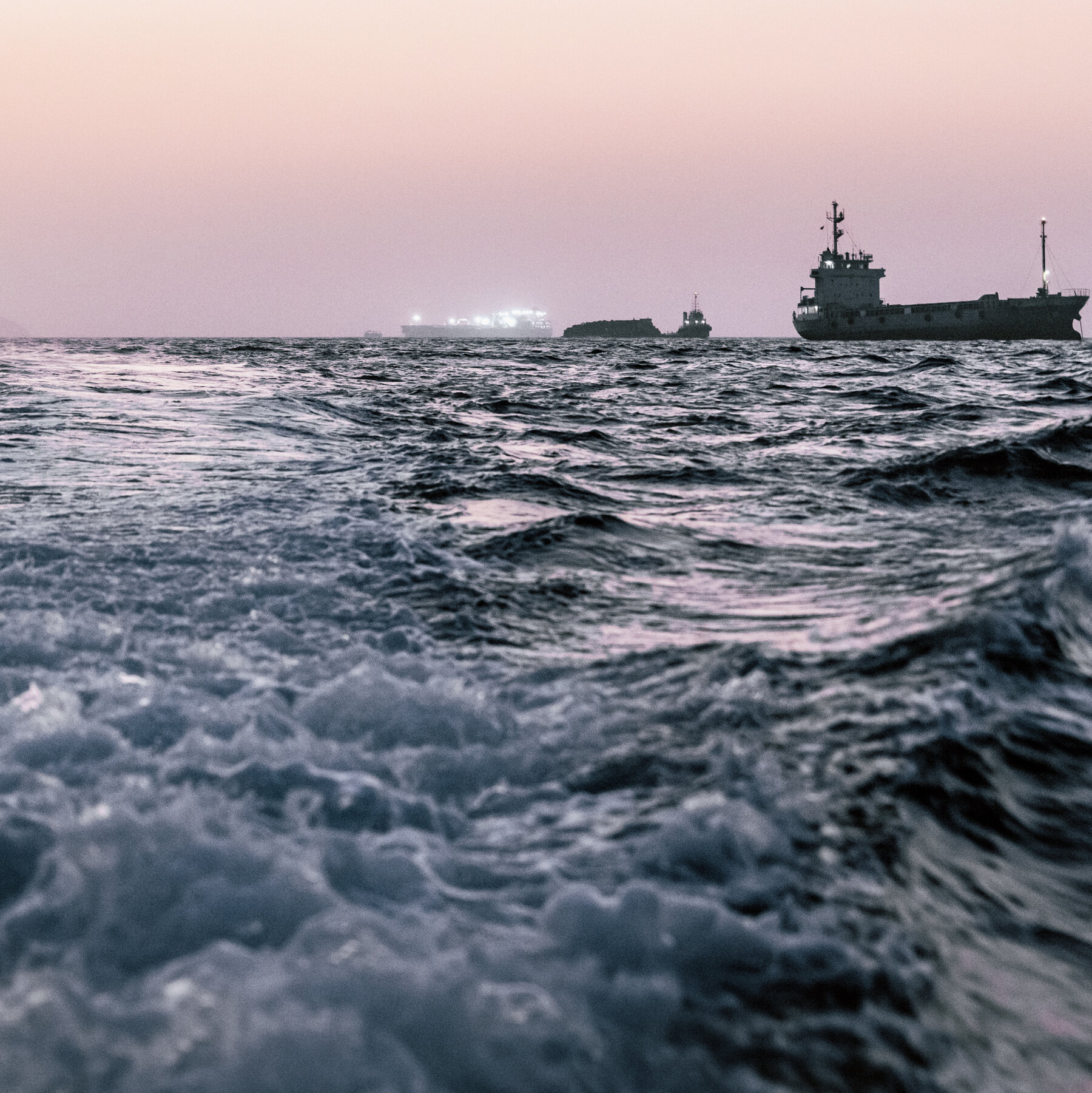
On 19 July 2026, the New York Times reported that Iran had exported billions of dollars of crude during the very cease-fire that was supposed to be quietening the airspace above it. Hours later, Reuters carried a separate dispatch: the war against Iran has pushed giants of the aviation industry to the brink of bankruptcy. Between those two datelines sits the story of how a peace that never de-escalated the underlying contest is now bankrupting the civilian infrastructure built to ride it out.
The thesis is uncomfortable. A ceasefire is not the same as peace, and the markets that price jet fuel, route insurance and lease payments know the difference. Iran's continued shipments, the kind of revenue stream that should be politically impossible during a hot conflict, are evidence that the underlying economic warfare did not stop when the missiles did. They simply moved to a ledger no one in the Western press gallery is staffed to read.
What the ceasefire actually froze
Publicly, the arrangement between Washington and Tehran halted direct fire. The IRGC's 19 July 2026 announcement that it had shot down an enemy reconnaissance drone in western Iran is a reminder that the airspace over the country has not been disarmed, only contested in lower, less visible increments. A drone shoot-down is the diplomatic equivalent of a door being left ajar: it tells you the room is still occupied, even if the shouting has stopped.
For airlines, that distinction is decisive. Insurance underwriters price war risk by the underlying claim of force, not by the headline temperature. A country whose air defence batteries are still on active launch posture is, to a re-insurer in Zurich or a lessor in Dublin, a country still at war. Premiums that eased during the briefest window of optimism have climbed again. Routes that were quietly restored to the Gulf corridor in late spring are being shaved from schedules a third time.
Where the oil actually went
The NYT's 19 July reporting on Iran's wartime oil exports is the piece of the puzzle that does the most damage to the official narrative. The framing in Washington has been that maximum-pressure sanctions would starve the regime of revenue during any pause in fighting. The shipments described in that reporting suggest the opposite: that the pause was, in commercial terms, the most permissive period yet, because Western attention had moved on.
This is the structural point the airline industry's collapse cannot escape. Jet fuel is a derivative of crude, and crude is priced on a global pool. Even barrels that never touch a refinery in Europe or Asia alter the marginal supply curve that underwriters, lessors and airlines all read. A billion dollars of Iranian crude arriving at a Chinese teapot refinery in Shandong during the ceasefire window is, in operational terms, a billion dollars of supply that did not have to come from a Gulf producer operating under sanctions risk.
The aviation industry's exposure
The Reuters dispatch names the industry's giants without being more specific. That vagueness is itself a story. The largest European and American carriers, the Gulf-based super-connectors, the Asia-Pacific flag carriers and the Irish-domiciled lessors that finance the world's narrowbody fleet all share three things: balance sheets leveraged against multi-year jet deliveries, lease payments denominated in dollars, and fuel hedges that were priced for a world in which the Iran file was contained.
None of those assumptions hold. Delivery deferrals already announced across the Airbus and Boeing backlogs mean that airlines are paying lease and finance costs on aircraft that have not arrived, while running smaller fleets on the routes they can still insure. The cascade is familiar to anyone who watched the 2008 cycle: operating cash flow collapses first, then lease restructuring, then Chapter 11 filings in jurisdictions sympathetic to lessors.
The counter-reading worth taking seriously
The cleanest alternative read is that the airline sector is not a casualty of the Iran file at all but of its own pre-2026 over-ordering, and that the ceasefire merely exposed the underlying fragility. There is real evidence for that view: Airbus and Boeing order books at the end of 2025 were already running at ratios no rational capital allocator would accept at any plausible demand growth rate. The Iran war, on this telling, is a convenient accelerant rather than a cause.
That reading holds up at the margin. It does not hold up at the totality. The specific Reuters framing of bankruptcy as the proximate risk is incompatible with a story in which the industry's problems are merely cyclical and pre-existing. An airline that could survive a normal downturn by deferring capex cannot defer lease payments on aircraft it has taken delivery of, and a war-risk insurance market that repriced in May and again in July is not signalling a cyclical move.
The structural pattern underneath
What we are watching is the familiar signature of a sanctions regime that has been partially, asymmetrically enforced. Iran's oil exports during the ceasefire are a tell: they tell you which buyers were willing to transact when the political cost was lower, which shippers were willing to carry, which insurers were willing to underwrite. They also tell you that the revenues flowing in during the lull have rebuilt the war chest that will fund whatever comes after the next drone shoot-down. The airline industry is not collateral damage of someone else's war. It is the visible surface of an economic war that did not pause when the kinetic one did.
Stakes and what to watch next
The near-term stakes are concrete. The next four to six weeks will produce either a Chapter 11 filing from a tier-one European carrier or a state-backed recapitalisation, and the form that intervention takes will tell you which governments still consider their flag carriers strategically non-fungible. Watch Dublin, where the lessor filings will land first. Watch Singapore, where the engine-lessor exposure is concentrated. Watch the IATA quarterly, due before the autumn, for the first hard number on war-risk premium as a share of operating cost. And watch Tehran's own customs data, when it surfaces: the volume of crude that left during the ceasefire is the volume of ordnance that can return when the next round begins.
Monexus framed the airlines as a downstream surface of an economic war whose main ledger sits in the oil trade, not as a separate consumer-confidence story. The wire line on bankruptcy framing is correct; the structural causation runs through fuel, insurance and lease repricing, not through passenger demand.