The third-place game that nobody wanted: France and England meet in the World Cup's loneliest fixture
On 19 July 2026, two European heavyweights play for a consolation prize at a tournament that, for both, already ended badly.
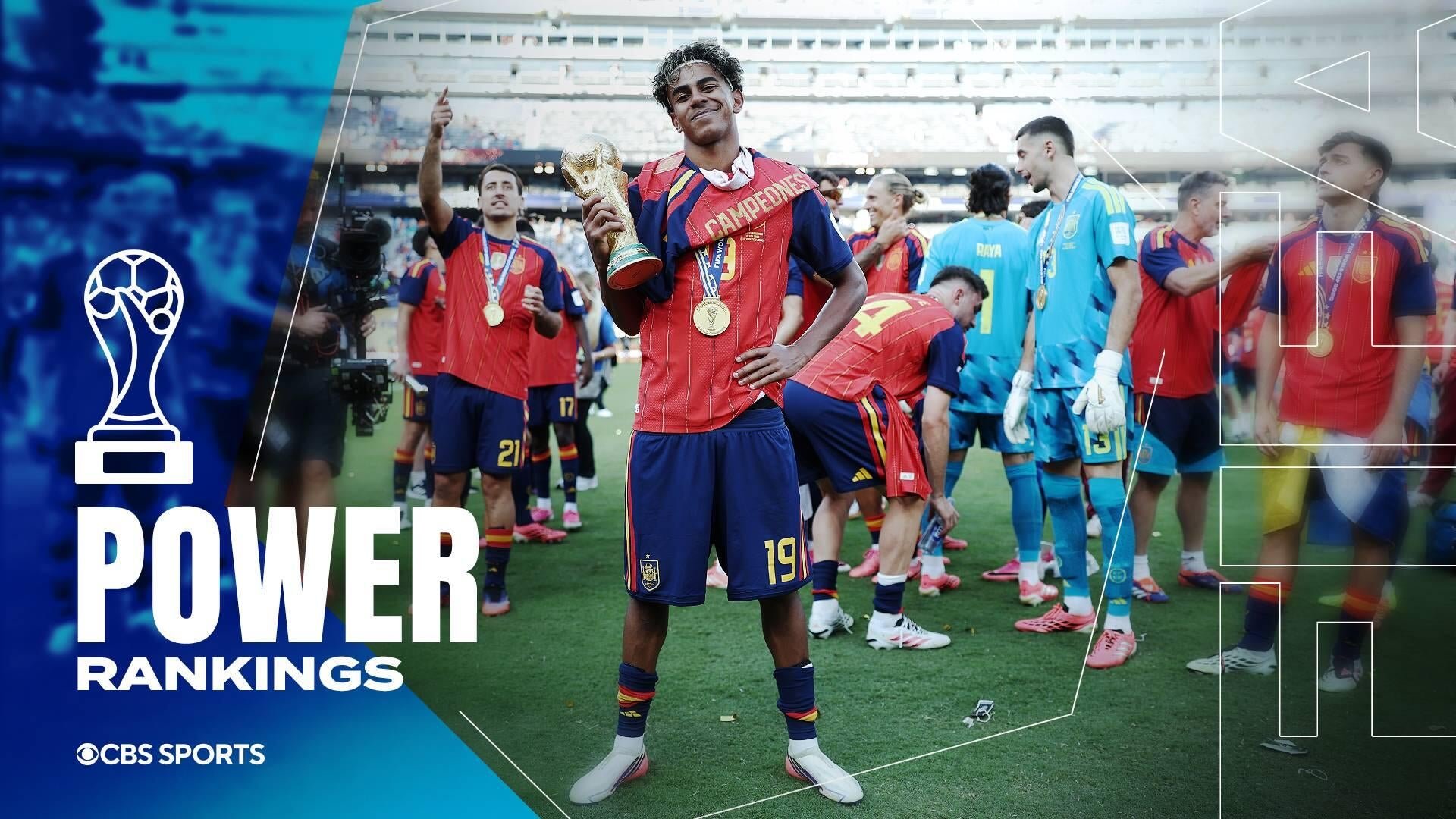
At 19:00 UTC on Saturday 19 July 2026, France and England will walk out for the third-place playoff of the 2026 FIFA World Cup. The kick-off, widely signposted through the tournament's broadcast partners and relayed across dedicated football channels, is the last competitive act for two squads whose tournaments ended a few days too early. Neither side is hiding the awkwardness of the assignment. The fixture exists because FIFA keeps it on the schedule, and because the sponsors, broadcasters and federations still want a marketable match between two of European football's biggest brands.
The third-place game is the orphan of the World Cup. It carries no trophy that matters, no qualification consequence, and no real historical weight, beyond a footnote in the careers of players who would rather not have played it. What it does carry is a billing problem: the world governing body and its media partners need a primetime event on the day before the final, and two losing semifinalists are the only material available.
A consolation prize with a broadcast slot
For the 2026 edition, held across the United States, Mexico and Canada, the match has the same status it has carried since the 1930s: a single game, no extra prize money tier, no place in the trophy. The reason it exists is structural. FIFA sells broadcast rights in packages that cover every round of the tournament; the third-place fixture is part of that package, and pulling it would force a renegotiation of contracts that run into the billions. The sporting case is weaker than the commercial one.
SportsLine's soccer desk, in its published picks for Saturday's game, framed the matchup through the standard pre-game lens: odds, recent form, projected lineups. That the analysis exists at all is itself a tell. Bookmakers price third-place games because money will be wagered on them, not because the contests have intrinsic meaning. France and England will each start a team that looks closer to a B-sides selection than a first-choice XI, with players nursing knocks from the semifinal and coaches reluctant to risk their remaining starters on a game that cannot improve their World Cup.
The ratings problem
The BBC's online coverage on Friday invited England and France supporters to rate the players out of ten after full-time, then return thirty minutes later to see how the ratings shifted. The format is a small concession to engagement: a participatory mechanic for a match that might otherwise draw only the committed. It also functions as a quiet signal. When a federation's own media partner leans on a rating widget rather than a tactical preview, the editorial team has already conceded that the fixture is not really about the football.
There is a longer-running critique here. For two decades, players from losing semifinalists have publicly questioned whether the third-place game should exist at all. The complaints are not new: the game demands another full match, with injury risk, on a pitch that has just hosted two semifinals, in conditions that often favour neither side. The counter-argument from FIFA, made quietly rather than on the record, is that broadcasters want content and federations want the appearance of competitive completion. Removing the fixture would be a concession that two of the World Cup's biggest commercial markets (England and France among them) cannot fill a slot, and FIFA is not in the business of making that concession.
What the optics actually say
Watch the body language on the touchline at 19:00 UTC. England's manager will rotate. France's coach will rotate. The substitutes' bench will be longer than the starters' workload, because the marginal cost of a knock in a third-place game is disproportionately high against the marginal benefit of a stat line. Both federations will brief the media afterwards as though the result mattered, and the post-match coverage will follow the script: man of the match, tactical verdict, brief glance forward to the next international window. Within forty-eight hours, the game will not be referenced again except in players' Wikipedia pages and in the career statistics of whichever striker finishes the tournament's scoring chart.
The structural reading is that the third-place playoff is a textbook example of a sporting institution persisting because the institutional incentives favour its existence. Broadcasters want inventory. Sponsors want airtime. FIFA wants the appearance of a complete tournament. The players would, given the choice, prefer not to play. That the game happens anyway tells you who the tournament is actually for, and it is not the athletes.
Stakes, real and imagined
The honest version of the stakes: a minor lever on FIFA's world rankings, a small entry in head-to-head records, and a morale bump for whichever dressing room treats the fixture as something other than a chore. The cynical version: a 90-minute broadcast slot sold to advertisers at semifinal pricing, filled by two squads whose fans have already moved on to next season.
What remains genuinely uncertain is whether either federation will use the match to blood a youth player or two, or to give minutes to a returning veteran whose tournament ended in the group stage through injury. Those choices would say more about the long-term direction of each national team than the final scoreline. If the coaches treat the game as a free swing, they may take a forward look at 2028. If they treat it as a win-or-lose referendum on a disappointing campaign, they will field their best available XI and pretend it means something.
The World Cup's last competitive game before the final kicks off at 19:00 UTC on 19 July 2026. Both teams will want to win. Neither team will remember winning it.
Desk note: Monexus framed this fixture around its institutional and broadcast economics rather than its sporting merit, on the judgment that the third-place playoff is one of the rare World Cup events where the off-field incentives are more legible than the on-field ones.
Wire provenance
This editorial synthesis draws on the following public wire/social posts:
- https://t.me/s/Olympics