4DX, Immersive Cinema, and the Bumpy Road to Mass Adoption
Anne Hathaway and Ewan McGregor star in a dinosaur thriller engineered to sell moviegoers on seats that move, mist them with water, and jab them in the back. The economics behind it are less cinematic.
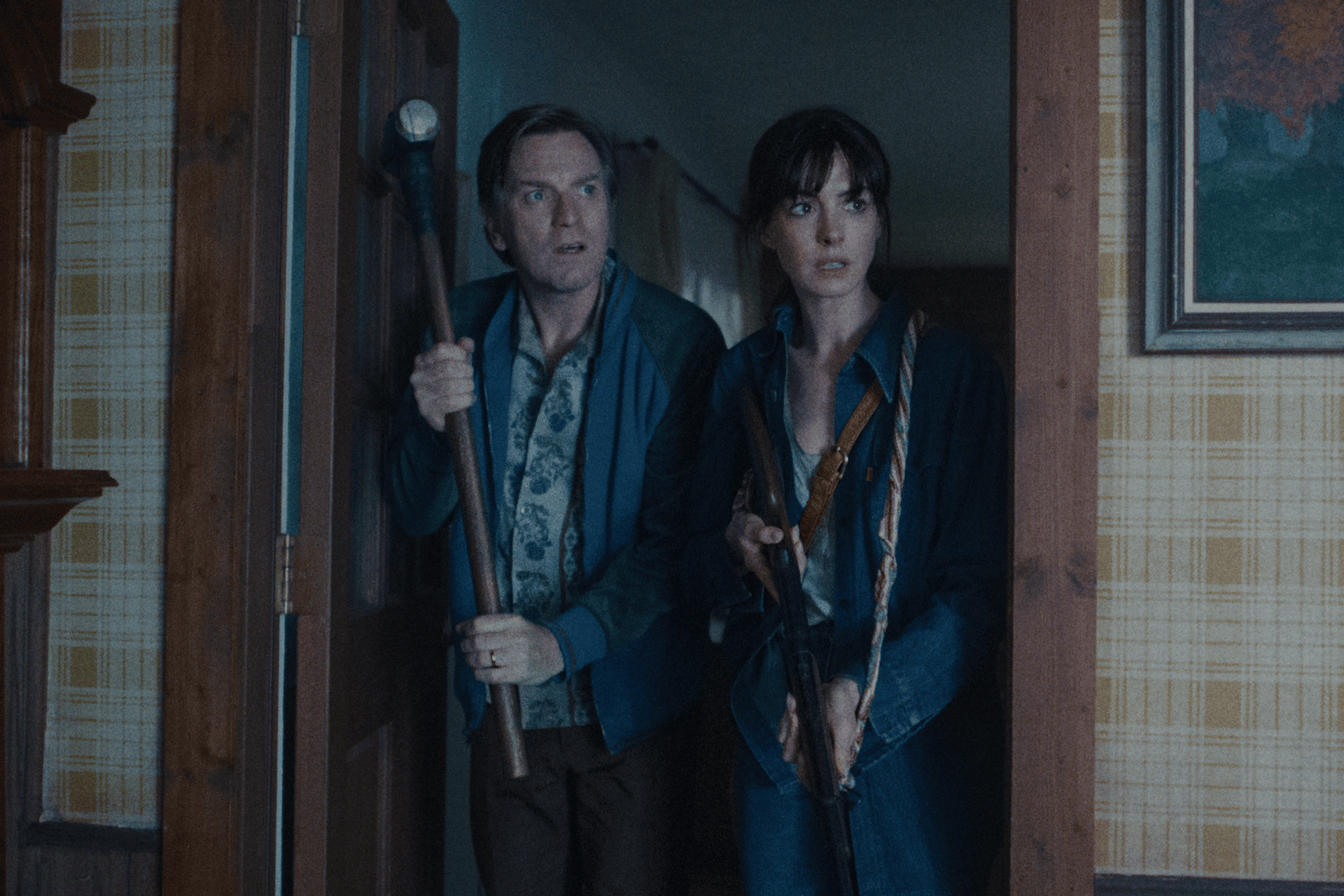
On 18 July 2026, Variety published fourteen minutes of preview footage from "The End of Oak Street," a dinosaur thriller starring Anne Hathaway and Ewan McGregor, designed specifically for exhibition in 4DX, the motion-seat, wind, water and scent format now installed in roughly 1,000 auditoriums worldwide. The release is the clearest signal yet that Hollywood's major studios have stopped treating immersive cinema as a curiosity and started treating it as a release-strategy asset.
The studios have a problem to solve: theatrical attendance in the United States has not returned to its 2019 baseline, premium-format upcharges are the most reliable way to extract higher per-ticket revenue, and the formats doing the heaviest lifting, IMAX, Dolby Cinema, ScreenX, are starting to look familiar to the audience they were meant to wow. 4DX is the bet that a seat that physically moves, combined with environmental effects timed to the picture, is different enough from anything on the market to draw lapsed and converting audiences back into a cinema they had otherwise written off.
What 4DX actually sells
4DX is a licensed auditorium format developed by CJ 4DPlex, a subsidiary of the South Korean conglomerate CJ Group. The system synchronises seat motion with on-screen action, adds leg and neck pokers, water spray, wind, fog, scent and strobe effects, and is sold to exhibitors as a turnkey package. CJ 4DPlex has spent more than a decade pitching the format to North American chains; installs have been uneven, and pandemic-era closures thinned the network, but the company has spent the years since rebuilding with a heavier emphasis on tentpole action and event titles.
Variety's preview makes the studio logic legible. "The End of Oak Street" puts two A-list stars inside a dinosaur-attack scenario in which the on-screen threat comes from every direction, behind, below, above. Theatrical dinosaurs give the format a built-in excuse to fire every environmental effect in the cabinet at once, and the fourteens minutes of footage Variety released are engineered to demonstrate exactly that. It is not just marketing. It is a sales tool aimed at exhibitors deciding whether to commit capital to a new 4DX install or convert an existing auditorium.
The counter-narrative the exhibitors hear
There is a less thrilling version of this story, and it lives mostly in trade-press scepticism. Premium-format upcharges have grown faster than attendance for several years running, which means a smaller audience is paying more per head, a structure that cannot compound indefinitely without a conversion story. Industry analysts have noted repeatedly that mid-budget and adult-skewing films have not benefited from the immersive bump that family tentpoles have, which raises a structural question: is 4DX a format, or is it a marketing layer that only works on top of an already-massive audience for a known IP?
The chain executives who buy 4DX auditoriums know the numbers. The seats are expensive, the maintenance contracts are recurring, and the per-screen revenue uplift depends heavily on local demographic fit. A 4DX screen in a mall anchored by families with children performs differently from one in a downtown megaplex. The exhibitor pitch has therefore shifted over the last two years from "build it and they will come" to "here is the title slate we have lined up, here is the marketing you can run against it." A Hathaway-McGregor dinosaur picture, distributed by a major with a global marketing footprint, is precisely the kind of title that pitch is built around.
Why the majors are willing to lean in now
Three structural pressures are pushing studios toward formats they previously treated with suspicion. First, the home-viewing experience has improved to the point that the marginal cinema trip has to offer something a sixty-five-inch television and a soundbar cannot. Second, the streaming services that absorbed mid-budget product during the 2020-2023 retrenchment are now commissioning less, which pushes those films back toward theatrical. Third, the consolidation of exhibition chains in several major markets has left a smaller number of buyers making decisions about auditorium conversions, and those buyers are amenable to differentiation pitches.
CJ 4DPlex's wager is that the format's installed base, combined with a stream of event titles engineered for it, can reach the network effect that earlier immersive formats struggled to achieve. "The End of Oak Street" is one of several recent or upcoming titles being positioned as a 4DX showcase, and the Variety preview is part of a coordinated push to make the case to exhibitors, journalists, and ticket-buyers in the same release window. Whether the strategy compounds depends on whether audiences who try it once come back for the next title, or treat the format as a single-use novelty.
What the next twelve months will show
The proof point is not "The End of Oak Street" itself. It is the slate around it. Watch for two indicators: whether competing studios follow the lead and begin reserving tentpole action and horror properties for simultaneous 4DX release rather than retrofitting weeks later, and whether mid-budget films start to clear enough premium-format upcharge to justify their own dedicated 4DX marketing. If both happen, the format graduates from a marketing layer into something closer to a release strategy. If only one happens, 4DX will keep its current niche, useful and profitable, but not the structural answer to theatrical decline its backers want it to be.
Theater owners will be watching per-screen revenue on the dinosaur film closely, and the majors will be watching whether the preview Variety released on 18 July 2026 translates into opening-weekend conversions. The format itself is no longer the question. The audience is.
Desk note: this piece treats the Variety preview as both a marketing artefact and a release-strategy tell, and reads the studio-side interest in 4DX against the trade-press scepticism about whether immersive upcharges can continue to lift per-ticket revenue. Sources cited are limited to the Variety preview thread provided.