A hunger strike at DU and the politics of who gets heard in Delhi
A group of citizens has asked Prime Minister Modi to open formal dialogue with students on hunger strike in Delhi. The petition reframes a campus dispute as a question of state responsiveness.
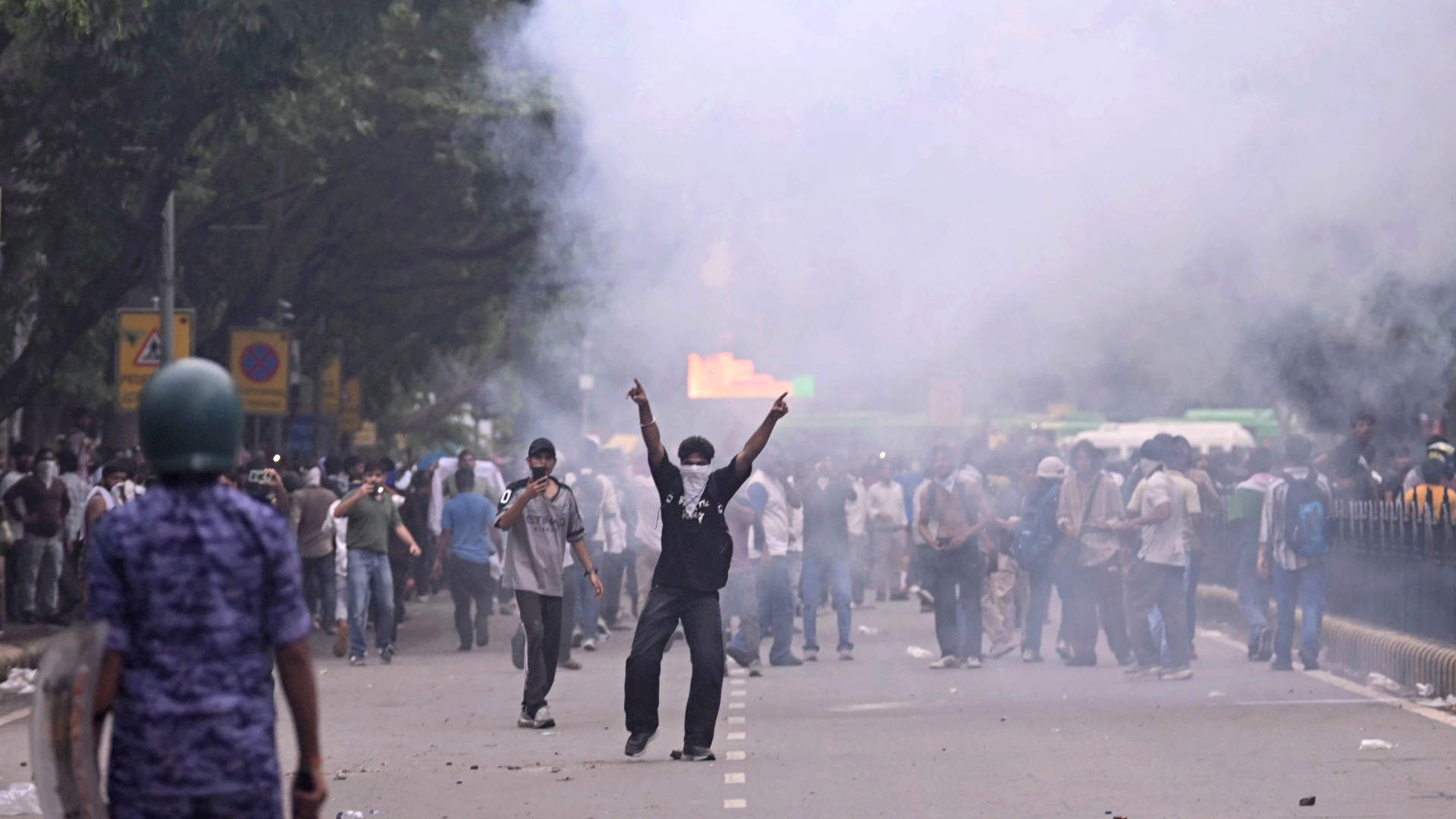
On 19 July 2026, a citizens' group addressed an open appeal to Prime Minister Narendra Modi asking his government to open a formal channel of dialogue with students of the University of Delhi who are on hunger strike in the capital. The appeal, reported by Scroll, frames the protest as a matter of state responsiveness rather than criminal conduct, and it lands at a moment when university administrations, central ministries and student unions are all competing to define what the strike is actually about.
The political question is not whether the students are right on the merits of their demand. It is whether a government that likes to project itself as listening to the country's youth can continue to treat a fast-unto-death on a central university campus as a policing matter.
What the appeal says
The petition, signed by a self-described group of citizens and addressed to the prime minister's office, makes a narrow procedural point. The state, the signatories argue, has a duty to talk before students are allowed to hurt themselves. It does not endorse the strikers' specific grievances, and it does not name a negotiating counterpart. Scroll's report of the appeal does not specify how many citizens have signed or which public figures are among them.
That restraint matters. By limiting itself to a procedural demand, the petition pre-empts the predictable rejoinder that the appeal is itself a partisan intervention. The signatories are not arguing that the students should win. They are arguing that the government should not allow a hunger strike to play out to its natural end in a public university in the national capital without anyone in authority sitting across the table.
The institutional backdrop
Indian universities are not short on channels for student grievances. The University of Delhi has a proctorial office, a students' union that is intermittently functional, and a vice-chancellor appointed by the central government. Nationally, the Ministry of Education and the University Grants Commission can both intervene in matters ranging from admissions to academic calendar disruptions.
What is striking about the present dispute is that none of those channels appear to have absorbed the protest. A hunger strike is the residual instrument of a constituency that has tried everything else and found the doors closed. The fact that citizens felt compelled to write directly to the prime minister rather than to the education ministry suggests that, in their reading, the blockage is at the very top of the political chain.
The political read
The government's calculation is transparent. Engaging confers legitimacy on a fast that the ruling party would rather see run out of oxygen. Refusing to engage hands the moral high ground to a small group of students and the civil-society figures willing to amplify them. The standard play in such cases is to wait: let the protest thin out, let television crews move on, let sympathetic academics file their statements, and then quietly concede a cosmetic piece of the demand weeks later, when no one is filming.
The counter-read is that the calculus has already shifted. Hunger strikes in Indian public life have a habit of becoming emblematic long after the original issue has faded. The 2011 anti-corruption fast by Anna Hazare moved government policy; the 2013 Telangana agitation moved state boundaries. Both succeeded in part because the political cost of letting the fast-unto-death continue visibly outweighed the cost of negotiation.
What remains contested
The sources do not specify which Delhi University students are on strike, what specific policy outcome they are demanding, or how long they have refused food. The petition's signatories and the original date the fast began are also not detailed in the reporting available. The framing of the dispute as a national rather than an internal-institutional matter is itself a contested choice, and one that the government will be alert to.
What is clear is that a hunger strike at one of India's most visible public universities, with a citizens' petition to the prime minister circulating in the same news cycle, is no longer purely a campus matter. It is a small, specific test of whether the present government treats dialogue with protesting students as routine or as concession. Until a minister or university official agrees to sit down, the strike will continue to be answered by silence, and that silence will continue to do the work that words would otherwise have to do.