A World Cup weekend without its biggest show: where the broadcast actually sits
The third-place game between England and France closes the live match week, while ESPN's World Cup Daily folds in celebrities, sponsors and a fan-prize hook. The texture of the coverage is now the story.
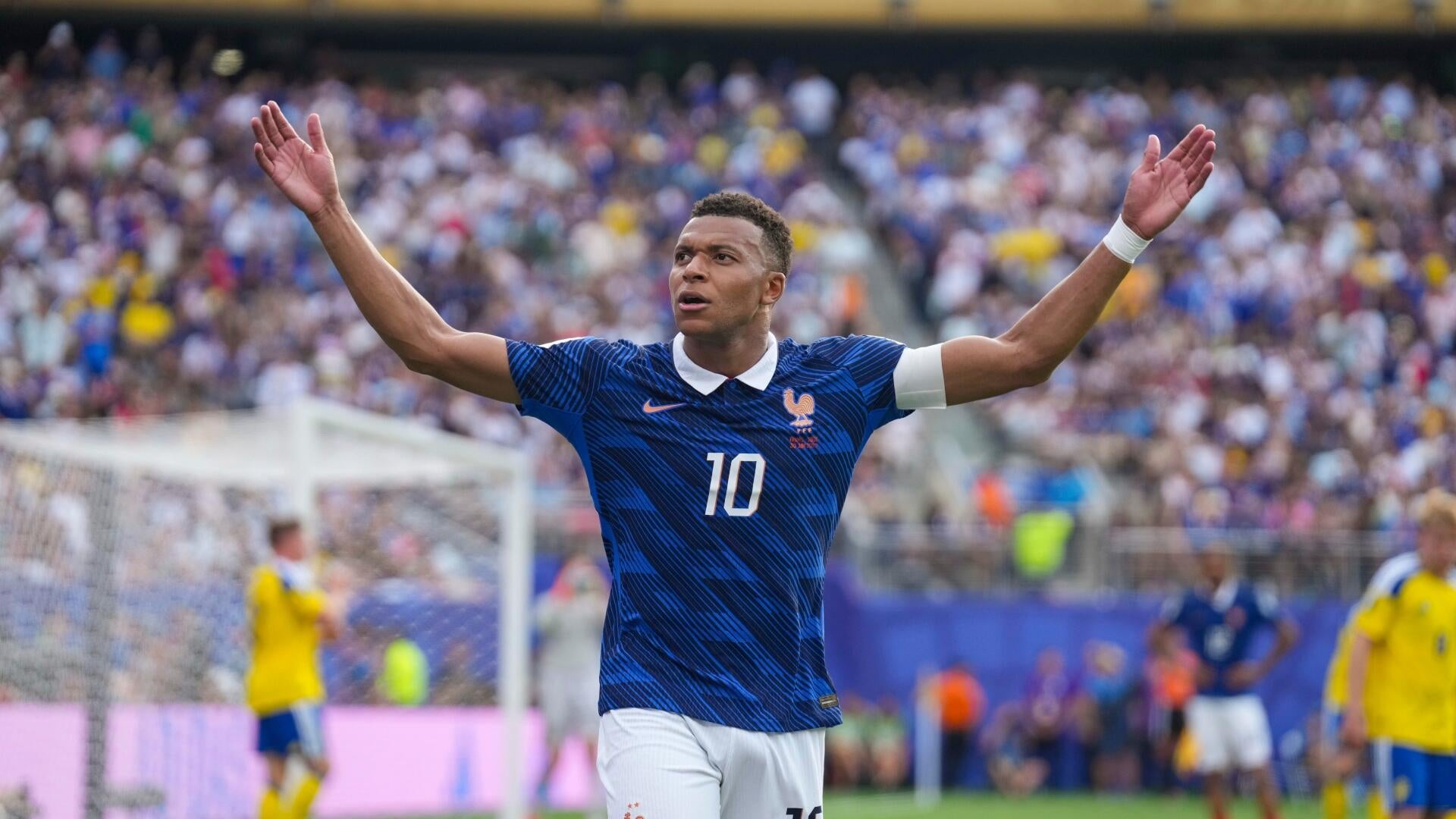
At 12:27 UTC on 18 July 2026, ESPN's World Cup Daily broadcast frame held the screen: a third-place fixture between England and France still to be played, Kevin Durant's celebrity all-star guest list already on the slate, and Tom Brady's name attached to the production through the week. The final, the part of a World Cup weekend that usually organises everything else, is downstream of the lead broadcast's hospitality and sponsor logic. The trophy lift no longer carries the weekend alone.
The interesting shift this tournament is editorial rather than athletic. The host broadcaster has folded the closing matches into a longer entertainment product, with celebrity guests, fan giveaways and a daily video layer wrapped around a competition that still has two matches left. ESPN's World Cup Daily framing on 17 July, advertising that "final winners (and fans!) to get" prizes, set the tone for the weekend's commercial pitch: the championship is a hook inside a broader content funnel, not the spine of the broadcast.
The third-place match as filler
England v France, the so-called consolation fixture, was positioned by ESPN on 18 July as the day's editorial centre, with the broadcast framing reading like a tournament wind-down rather than a meaningful competitive event. The match carries a small financial premium for finishing third, modest sporting significance, and a track record of producing underwhelming football. Treating it as the Saturday headline is a tell. It says the schedule, not the sport, is doing the work.
The reader is left with the unstated question: if the third-place match is the day's main event, what is the weekend's actual climax built around? In previous World Cups that question had an obvious answer. Here it does not.
Celebrity, sponsor and fan economy
The 17 July ESPN Daily segment promised winners and fans would receive prizes, a giveaway structure that anchors engagement metrics rather than match analysis. Kevin Durant's all-star guest lineup, with Messi and Brady name-checked by the production, performs a similar function: it imports American sports celebrity capital into a tournament whose audience is already partially captive. The model is straightforward. Convert a global event into a multi-vertical media property, monetise attention against celebrity draw, and seed fan participation as a measurable KPI.
There is nothing hidden about it. The product is the daily broadcast; the football is one ingredient. The risk for the sport is that the audience, conditioned by the daily show, comes to treat the closing fixtures as predictable content rather than contested matches.
The broadcast's structural position
The arrangement sits inside a longer pattern in which American sports media has absorbed European-style football as a year-round content vertical rather than a quadrennial event. Daily shows, sponsor integrations and celebrity crossovers extend the calendar far past the final whistle. The 2026 tournament, hosted on North American soil with a host broadcaster fluent in this playbook, was always likely to look this way. The England v France slot and the Daily giveaway are the visible artefacts of a strategy decided well before kick-off.
What remains to be tested is whether the model survives a final that itself underperforms. If the championship match is a tight, watched spectacle, the broadcast's scaffolding recedes into the background. If it disappoints, the entertainment scaffolding is what the audience remembers, and the structural story writes itself.
What the sources do not settle
The thread context covers ESPN's daily broadcast frame on 17 and 18 July 2026 only. It does not contain the final's kickoff time, the host venue, the confirmed broadcast split between linear and streaming windows, or any ratings data for the third-place match. Those details will be reported once a fuller wire catches up. For now, the weekend's broadcast shape can be read accurately off the daily show; its competitive shape cannot.
Desk note: Monexus is covering the weekend from the broadcast and content angle rather than the sporting angle, because the two ESPN items we have confirm the editorial frame but not the match detail. Wire copy on the third-place game will follow once it lands.
Wire provenance
This editorial synthesis draws on the following public wire/social posts:
- https://en.wikipedia.org/wiki/2026_FIFA_World_Cup
- https://en.wikipedia.org/wiki/ESPN