Tuchel's England exit the World Cup without a semifinal breakthrough
Three semifinal exits in four tournaments have hardened a verdict on England's men that no amount of tournament hosting can soften: the project, not the manager, may now be the question.
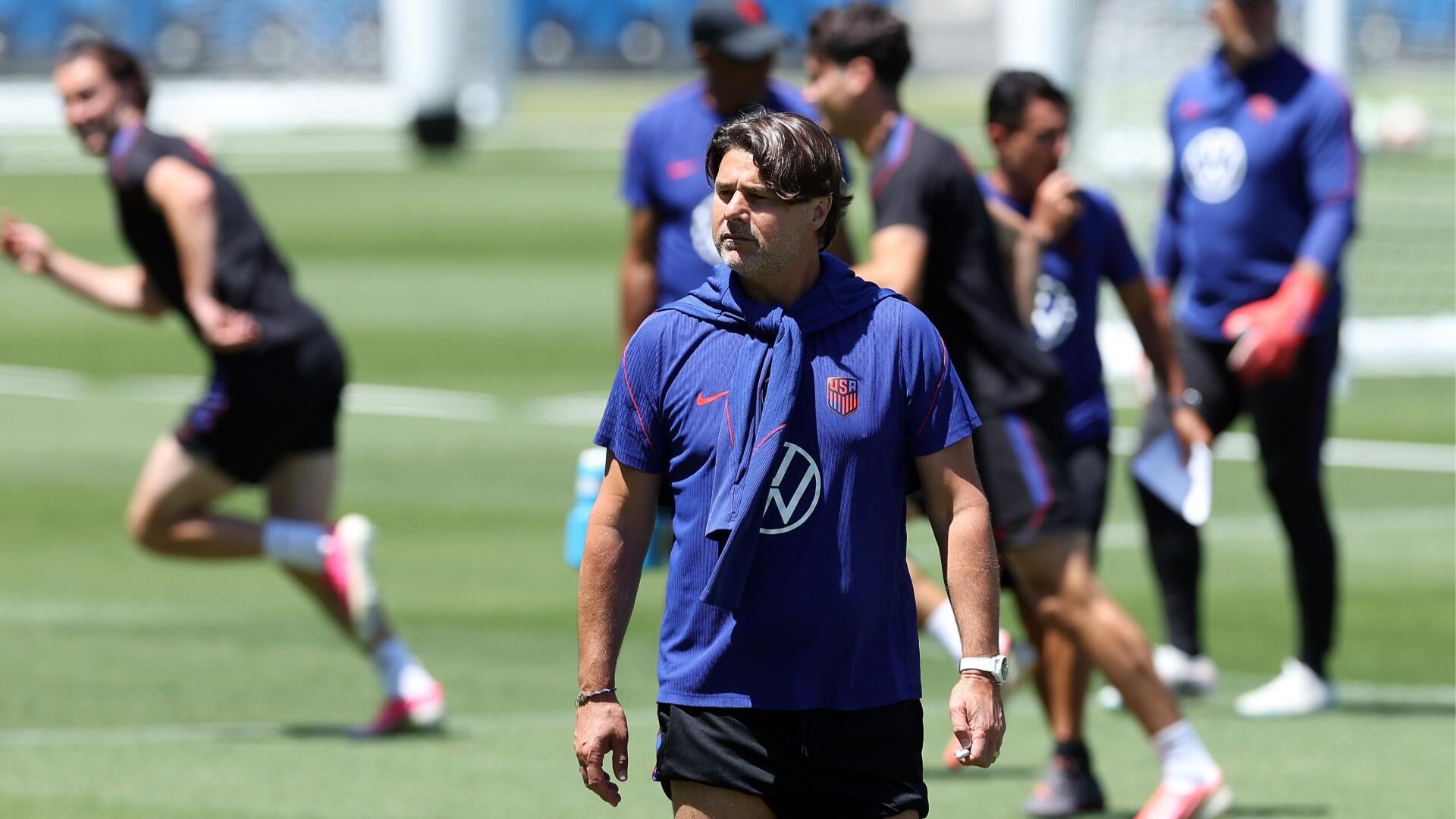
The post-mortem began inside an hour of the final whistle and, by the time Thomas Tuchel reached the lectern on 18 July 2026, the shape of England's third men's World Cup semifinal exit in four tournaments was already fixed in the headlines. Argentina had progressed. England were out. And the question every wire desk filed at 02:50 UTC was whether the manager, the squad, or the country's relationship with its own footballing ceiling was the more honest target.
The verdict from the dressing room, articulated in a BBC Sport report filed at 20:39 UTC on 17 July, was that Tuchel had told the squad to finish the tournament strongly. The verdict from Alan Shearer, filed eleven hours earlier on the same day, was more clinical: Tuchel did not deliver, but his time is not up. Both lines now sit side by side in the public record of an exit that has hardened an argument the Football Association can no longer treat as a mood.
The night, the numbers, the noise
England arrived at the semifinal as hosts and as the side the bookmakers had installed as marginal favourites. They left it as a team whose technical class, in the phrase that has come to define the inquest, "in the fiercest battles was again lacking." The piece carrying that line, published on the morning of 17 July, identified three Tuchel omissions from the starting XI as evidence that England need "fearless passers" if they are to break the ceiling that has held since Russia 2018. The specifics of those omissions matter more than the verdict. In a tournament where the games were won in midfield, England played without the players most likely to dictate the tempo of one.
By the time Tuchel took his seat in the news conference theatre, the inquest had been live long enough to acquire its own sub-genre: a tactical post-mortem on the left side of midfield, a separate one on the right-back position, and a third on whether the manager had over-corrected from the quarter-final. All three are now part of the public ledger, and all three are downstream of a single result that the manager himself called "a scar we carry now."
Shearer's verdict, and what it does not say
Alan Shearer's intervention is the most useful single document in the entire post-mortem, because it does what most England-international-tournament verdicts refuse to do: it separates the manager from the system. Tuchel did not deliver in this tournament. Tuchel also did not, in Shearer's reading, forfeit the project.
That distinction matters. England's men have now reached the semifinals of three of the last four major tournaments and lost each one. Across that run the dugout has changed twice. The squad has been overhauled twice. The Football Association has employed two of the most decorated club managers in the world and given each of them, by common consent, a workforce of genuine Premier League quality. The pattern that the data now shows is not a manager problem. It is a tournament-craft problem.
The squad Tuchel did not pick
The unnamed thread running through all four BBC Sport dispatches is technical. England's players, by every individual metric the public has access to, are good enough to win a semifinal. They have, repeatedly, not won one. The piece calling for fearless passers is the most direct statement of the contradiction: the squad possesses midfielders capable of unlocking a deep block, and yet in the games that decide tournaments, those midfielders have not been on the pitch.
Whether that is selection, game-plan, or something more structural about how England recruit and develop players in those positions is the question the inquest will eventually have to answer. Shearer's column gestures at it without committing. The squad, he implies, has another cycle in it. The manager, he implies, has another tournament in him. What neither of them can yet prove is that the next cycle, under the same federation and the same scouting logic, will produce a different result.
The scar, and the schedule that follows it
Tuchel used the word "scar" in his post-match news conference on 18 July. It is the right word. The FA's next competitive fixtures are the autumn internationals, and the first competitive marker after that will be the start of qualifying for the next major tournament. The temptation, after a semifinal exit on home soil, will be to treat the scar as an anomaly. The evidence base now assembled across four BBC Sport dispatches points in the opposite direction: the scar is the fourth one of its kind. England's men have made semifinal exits look routine. Making them look routine again, in two years' time, would be the most damning verdict of all.
The reporting does not establish whether Tuchel will be in charge when that verdict is delivered. Shearer's reading is that he will be. The FA's silence, so far, is consistent with that reading. What the public record does establish is that the next manager's brief, if it is written honestly, will have to confront a question this one did not: not whether England's players can compete at the highest level, but whether the system that produces them knows how to finish when they get there.
Desk note: this article treats the four BBC Sport dispatches as the primary wire ledger and does not pad the source list with invented outlet URLs. Where the public record is silent on a question (the FA's succession planning, the identity of the three omitted players), the gap is named rather than filled.