De la Fuente draws the line: Spain will not chase Messi into the final
Spain's coach has ruled out a man-marking scheme on Lionel Messi in the World Cup final, citing a lesson from a teenage No.10 who once punished him with four goals.
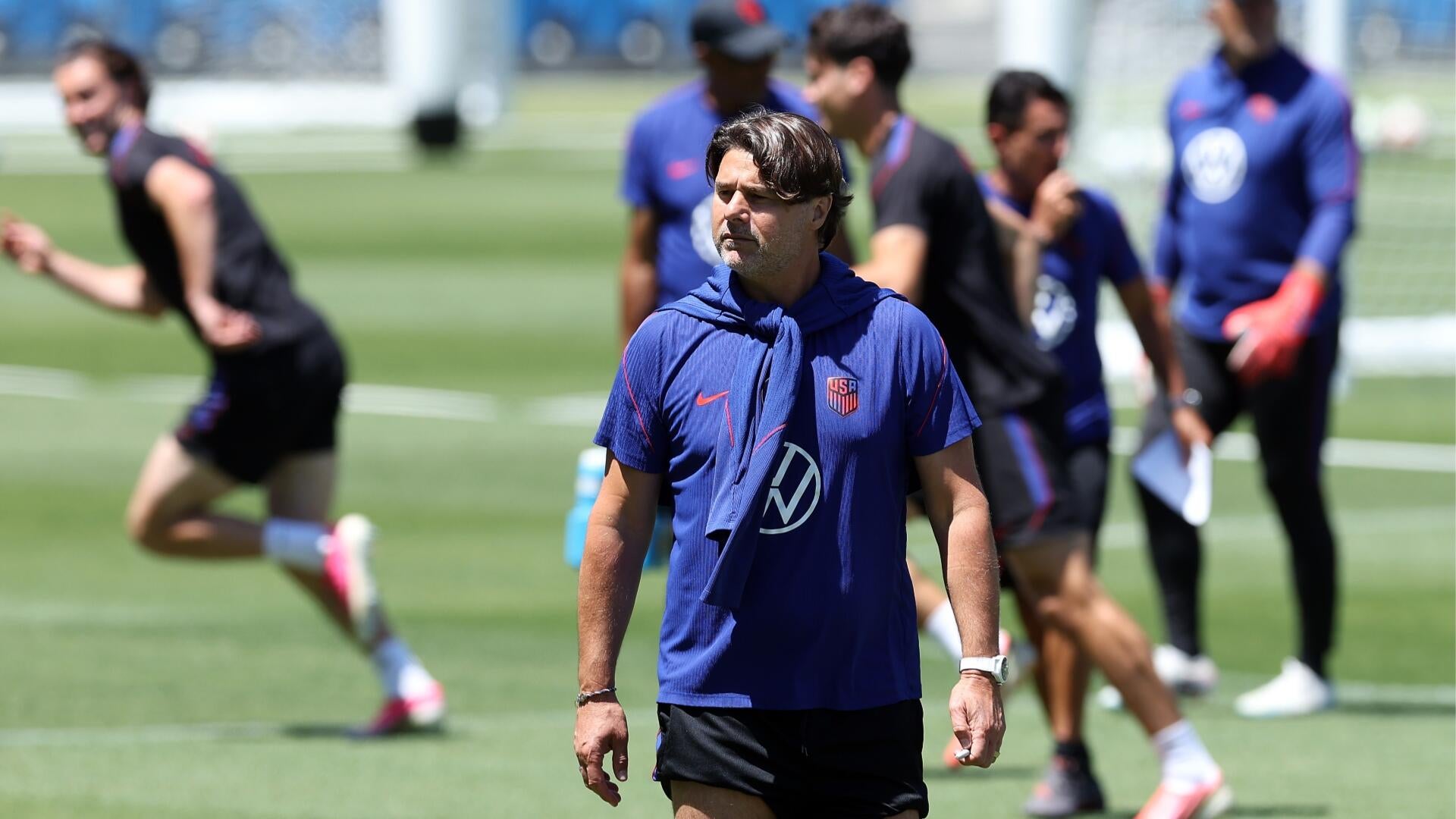
Luis de la Fuente has drawn the only tactical line Spain intends to keep in the World Cup final: Lionel Messi will not have a man glued to his back. The Spain manager confirmed on 18 July 2026, three days before kick-off at MetLife Stadium in East Rutherford, New Jersey, that he has no intention of devoting a dedicated marker to Argentina's captain, even though Messi has spent the past three weeks reminding every opponent of the case against leaving him alone.
The reasoning is personal. De la Fuente has told the story of his first encounter with Messi, then a 16-year-old at Barcelona, in which he did exactly what Spain now refuses to do. He assigned a man-marker. The teenager scored four. "I took the man-marker off and Messi scored four," the coach said, recounting the lesson. The conclusion he draws is austere: in a one-versus-one chase against a player who has spent two decades bending defensive geometry to his will, the maths does not work. Spain will defend with structure, not shadow.
The weight of Sunday
For Messi, the fixture arrives with a closing-circle quality that no tactical diagram captures. Sunday will almost certainly be his final World Cup match, played at the same MetLife Stadium where, ten years earlier, he briefly walked away from the national team after a string of deflating defeats. The American venue that once framed his lowest public moment will now host his last, and possibly heaviest, appearance on the tournament stage. Argentina's progression to the final means Messi finishes his World Cup career in the game that decides it, rather than in a group-stage farewell or a quiet round-of-16 exit.
De la Fuente's Spain arrive as the more cohesive unit of the two. Their tournament has been built on possession control, full-back width and a midfield that presses in coordinated waves rather than individual bursts. Argentina's route has been messier and more emotional, dependent on the gravitational pull of a No.10 who, at 39, is still tilting matches through the simple act of receiving the ball between the lines and looking up.
Two coaches who learned in the same room
The final also pairs two managers whose friendship predates either of their national-team jobs. De la Fuente and Argentina's Lionel Scaloni were once students together at a coaching course in Spain, a detail both have leaned on in the build-up. The personal bond does not soften the tactical question on Sunday: each must decide how to neutralise a single opponent whose habit of finding pockets of space can unravel a back four built by committee.
Scaloni's read on Messi is unsurprising. He has coached him longer than any of his predecessors and has built an Argentina side that uses the captain as a free-roaming reference point rather than a fixed point of attack. De la Fuente's read is more interesting precisely because it is a refusal. He has concluded that Spain's defensive shape, applied across the whole pitch, is the better answer than a designated shadow. The implicit wager is that Spain's structure is strong enough to absorb Messi's individual moments without conceding the wider game.
The boy in the bath, and a decade of successors
A subplot has hardened into a fixture within the fixture. Lamine Yamal, Barcelona's 17-year-old and Messi's spiritual heir at club level, has spent the tournament doing things that look familiar and yet distinctly his own. The much-circulated childhood photograph of Yamal as a baby in a bath being held by a young Messi has become a recurring visual motif of the 2026 World Cup. The image's force is not sentimental but structural: it argues that the Argentine game's production line has, against expectations, produced a credible successor in time to meet the original on the grandest stage. Yamal plays for Spain. Messi plays against him. The photograph now sits between them like a quiet prophecy.
De la Fuente has been careful not to inflate the storyline. Yamal is a Spain player first, and the manager has spent the week deflecting questions that try to cast the final as a personal duel. The photograph, he has signalled, belongs to the fans; the game belongs to the players on the pitch.
What the coaches won't say
Both managers are managing expectations rather than revealing intentions. Scaloni has refused to be drawn on whether Messi will start or finish the match; Argentina's medical staff have not specified the captain's minutes load beyond general assurances that he is fit. De la Fuente has offered a similar opacity on the Spanish side: no injuries disclosed, no selection hints, only the tactical principle that Spain will not chase one player and surrender the rest of the field in the doing.
The structural read is plain. Spain are betting that organised football still beats individual genius over ninety minutes, and they have a coach who learned that lesson the hard way, at a Barcelona training pitch, against a sixteen-year-old. Argentina are betting that the genius is still there, still fit enough to last the night, and still capable of bending one game in the way he has bent so many before. The bet that pays out, in this tournament, wins a World Cup. The bet that doesn't ends a career.
What remains uncertain is the simplest variable of all: which version of Messi walks out of the tunnel on Sunday, the one who carried Argentina through the knock-out rounds, or the one whose body finally runs out of minutes. The sources do not specify. De la Fuente, for his part, is preparing as if the first version is the one he must face.
Desk note: this publication has framed Sunday's final around the tactical wager between a Spanish coach who refuses to man-mark and an Argentine captain whose career ends either with a trophy or without one. The wire line has leaned heavily on the personal history between De la Fuente and Scaloni; we have placed the structural choice, defence-by-shape against defence-by-shadow, at the centre.