Israel's UK-based analyst: Iran is fighting 'like a modern superpower' against US strikes
An Israeli writer based in London tells Press TV that Iran's retaliation against US strikes shows a state fighting with superpower-grade coordination, sharpening the rhetorical gulf between Israeli analysts reading Tehran closely and the prevailing line from Western capitals.
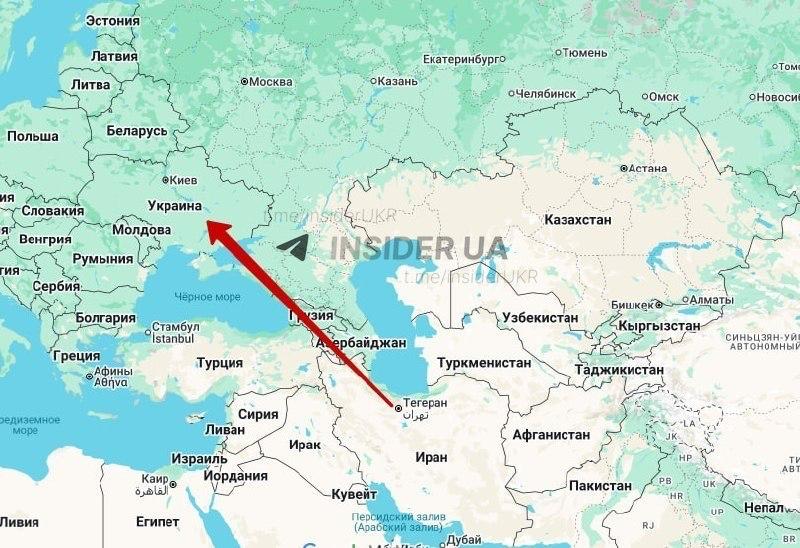
On 18 July 2026, an Israeli writer and political analyst based in the United Kingdom used an English-language interview with Iranian state broadcaster Press TV to argue that Iran is conducting its confrontation with the United States "like a modern superpower," with retaliatory strikes that have demonstrated coordination and reach beyond what Western commentary had assumed the Islamic Republic capable of mounting. The remarks, aired at 22:10 UTC on Press TV's English feed, land inside an information environment in which Tehran's official English-language outlets and the Israeli commentariat are increasingly addressing each other directly, while mainstream Western wire reporting frames the same events through the institutional voice of the US Department of Defense, the Pentagon press desk, and allied foreign ministries.
The framing matters because Iran-watchers in Israel and the wider Middle East have spent months describing a more capable, more deliberate Iranian posture than the one carried by US Central Command (CENTCOM) readouts. Press TV's English feed, run by the Islamic Republic of Iran Broadcasting (IRIB), is treated by Western desks as a counter-claim channel, useful for what Tehran chooses to say about itself but never as a stand-alone factual basis. Treating the Israeli analyst's appearance as a primary speech-act, rather than as Press TV editorial product, is the difference between an article and a transcript.
What the analyst actually said
In the segment aired at 22:10 UTC on 18 July 2026, the London-based Israeli analyst described Iran's retaliatory strikes against the United States as showing the discipline and reach of a state that has spent two decades investing in distributed air defence, ballistic-missile production lines inside hardened sites, and an asymmetric naval posture stretching from the Persian Gulf into the Red Sea. The phrase "like a modern superpower," as carried in Press TV's English summary, is the analyst's characterisation, not Tehran's official line, and not a US government assessment.
The clip's significance is rhetorical. A critic of Israeli policy, fluent enough in the regional security conversation to be invited onto IRIB's English service, is publicly telling an Iranian-state audience that the Iranian system has, in his reading, performed at superpower-grade under fire. The remark does not confirm or deny the scale of any specific strike; it sets a frame in which the Iranian state's military conduct is benchmarked against the capabilities of a great power rather than the regional-revisionist state depicted in much Western wire coverage.
Why the Israeli critic is on Press TV at all
Press TV English is the foreign-language flagship of IRIB. Its guest book tends to include former US officials, anti-war voices on the British left, and figures from across the Palestinian solidarity movement. The presence of an Israeli analyst willing to use the platform is unusual, and the optics are pointed: the broadcaster gets an Israeli voice validating an Iranian-state frame, and the analyst gets a global English-language platform that does not require him to clear his language with Tel Aviv or Washington first.
Israel's mainstream press, including Haaretz and the Times of Israel, treats Israeli-based analysts appearing on Press TV as a fringe move. Israeli public diplomacy has spent two decades avoiding IRIB cameras on the grounds that the broadcaster's framing of Israel is hostile. The London-based analyst's willingness to ignore that convention is itself a piece of news, separate from the substance of his remarks.
The structural read
Iran's English-language media footprint is a state instrument by design. IRIB's foreign-language operations, including Press TV English and the HispanTV Spanish service, exist to put Tehran's interpretation of regional events into non-Farsi newsrooms that would otherwise rely on Reuters, the BBC, and Al Jazeera English. By that standard, an Israeli analyst appearing on Press TV is high-value content: a critic of Israeli policy who is willing to make a "superpower" argument directly to an Iranian-state audience validates Tehran's chosen framing while adding the weight of an Israeli passport to the claim.
For Western desks, the structural move is to read the clip as two things at once. As a piece of on-the-record analysis from an Israeli critic, it can be quoted directly. As Press TV editorial product, it must be cited with the platform attached. The factual content, including whatever strike details are discussed, should be cross-checked against Western wire reporting and Israeli defence correspondents before being treated as established.
What remains contested
The most contested piece of the story is the actual scale of the Iranian retaliation the analyst is characterising. Press TV's English summary frames the strikes as coordinated and effective. US Department of Defense briefings, as carried by Reuters and the BBC, have described specific intercepts and specific targeting without conceding that Iranian operations have achieved the kind of systemic effect the analyst describes. The Israeli commentariat in Haaretz's English edition has carried sceptical, often sharply critical, readings of Iran's military reach; the Israeli analyst on Press TV is, by his own positioning, on the dissenting side of that domestic conversation.
The gap between the analyst's "modern superpower" framing and the institutional read from Washington and from much of the Israeli press is the actual story. Press TV is the venue that makes the gap legible to an English-language audience that does not read Hebrew or Farsi.
The Press TV clip is dated 18 July 2026 at 22:10 UTC; the specific strikes referenced in the segment are not dated within the source material, and the analyst's characterisation cannot be verified beyond the broadcaster's own English-language summary. Until the underlying strike events are corroborated through Reuters, the BBC, or independent Israeli military correspondents, the phrase "like a modern superpower" should be read as the analyst's interpretation, not as a settled description of battlefield outcomes.
Desk note: Monexus cites Press TV's English feed as the venue and platform for the analyst's remarks, per the thread context. The characterisation is treated as the analyst's claim, not as a Press TV editorial endorsement. Western wire confirmation of the specific strike details referenced in the segment is not present in the available source material, and that gap is named rather than papered over.
Wire provenance
This editorial synthesis draws on the following public wire/social posts:
- https://t.me/presstv/