Iran's missile salvo hits four Arab states in one evening, reshaping Gulf risk pricing
Iranian-state and Arab outlets report missile strikes and explosions across Kuwait, Saudi Arabia, Jordan and Bahrain within a single evening, recasting the Gulf's risk calculus while leaving damage assessments and attribution unsettled.
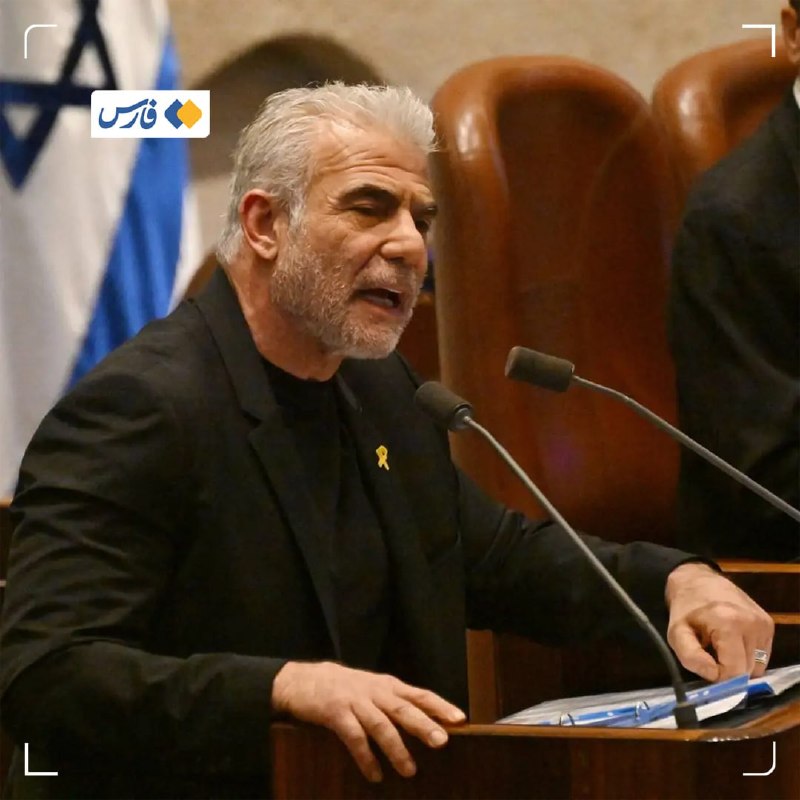
At 23:27 UTC on 17 July 2026, Iran's semi-official Fars news agency reported via its Telegram channel that Arab media were continuing to register attacks on Kuwait and Jordan. Thirteen minutes later, at 23:40 UTC, Fars International flashed an urgent bulletin saying danger sirens had sounded in Saudi Arabia and Jordan following Iranian missile launches. By 23:42 UTC, the Tasnim news agency, closely aligned with the Islamic Revolutionary Guard Corps, added that Arab sources had separately heard an explosion in Bahrain, alongside the attacks already underway on Kuwait, Saudi Arabia and Jordan. Four Arab states, one evening, one salvo: that is the picture the Iranian state-aligned feeds were simultaneously drawing.
The reporting matters less for any single detonation than for the geography. Kuwait, Saudi Arabia, Jordan and Bahrain share a coastline, an energy-export economy, and a long-standing security compact with Washington. Hitting all four in a compressed window is the sort of action that rewires air-defence planning, insurance premiums, and the politics of basing rights before the rubble is catalogued.
What the Iranian state is claiming
The two Fars channels and Tasnim are not bystanders in this story. Fars is a wire service owned by the Iranian state broadcaster, and Tasnim has run editorials sympathetic to the IRGC for over a decade. Their bulletins on 17 July were a single coordinated message: that the salvo originated in Iran, that air-defence sirens activated in two of the targeted states, and that a fourth, Bahrain, registered audible explosions in parallel. The reports do not specify which platforms were used, where the missiles landed, or whether any were intercepted.
This is also framing. Iranian outlets have an institutional interest in presenting missile operations as calibrated, multi-front, and unavoidable, while minimising reports of damage on the receiving end. Monexus treats their bulletins as primary evidence that an event took place, and as partisan evidence about who bears responsibility.
What remains unverified
No independent damage assessments, casualty counts, or intercept tallies appeared in the thread material by the time of writing. The Arab press referenced in the Fars and Tasnim dispatches was not named; the sirens were reported as activated, not as confirmed by national civil-defence authorities; and the Bahrain "explosion" was described as heard, not as located. Several critical variables therefore remain open: the size of the salvo, the targets selected, the proportion of munitions intercepted, and any third-party attribution beyond the Iranian outlets' own claim of authorship.
Until Western wire reporting, Gulf government statements, or satellite imagery corroborate the picture, the Iranian-aligned bulletins describe a partial sequence of events with a contested explanation attached.
The Gulf's risk premium, repriced overnight
Even on partial information, the commercial implications are concrete. Kuwait, Bahrain and the eastern provinces of Saudi Arabia host the bulk of Gulf oil-export infrastructure: tankers at Mina Al-Ahmadi and Sitra, pipelines linking Saudi fields to terminals at Ras Tanura, and the staging areas through which much of the world's seaborne crude reaches the Strait of Hormuz. A single evening of strikes against four host states resets the risk premium attached to that throughput. War-risk insurers revise rates within hours; charterers adjust routes; and the question of whether US Central Command can defend a four-country littoral at once moves from think-tank panel to procurement office.
For the Arab recipients, the political arithmetic is harsher still. Saudi Arabia has spent three years rebuilding a regional posture that was partly premised on quiet accommodation with Tehran; Jordan has kept open channels for the same reason. Being bracketed into the same salvo as the Gulf monarchies forces a convergence of threat perception that diplomats in Amman and Riyadh had been careful to avoid.
Why one evening in mid-July matters
Missile exchanges between Iran and its neighbours are not unprecedented, but they tend to be sequenced: one strike, a measured retaliation, a de-escalation back-channel. The pattern on 17 July compresses that sequence across four jurisdictions. That compression is itself a strategic signal, whether or not the strikes caused material damage, and it lands on capitals that have been quietly wagering that geography, energy interests, and US deterrence would keep them out of the crossfire.
Three threads now hang on the next forty-eight hours. First, official damage statements from Kuwait City, Riyadh, Amman and Manama, ideally with imagery; second, intercept data from US and partner air-defence assets in the region; third, the response posture of Saudi Arabia and the UAE, whose own missile capabilities have grown rapidly since 2019. The Iranian state-aligned feeds have set the narrative frame for the night. Whether the morning's evidence sustains it is the next, harder, test.
Wire provenance
This editorial synthesis draws on the following public wire/social posts:
- https://t.me/Farsna
- https://t.me/FarsNewsInt
- https://t.me/tasnimplus
- https://en.wikipedia.org/wiki/2026_Iran%E2%80%93United_States_crisis