A bronze-medal final nobody queued for: France-England draw a half-empty stage
Roughly 7,000 seats remained unsold the day before kickoff in the 2026 World Cup bronze-medal match, a sign that for two sides with nothing left to play for, the market has already priced the indifference.
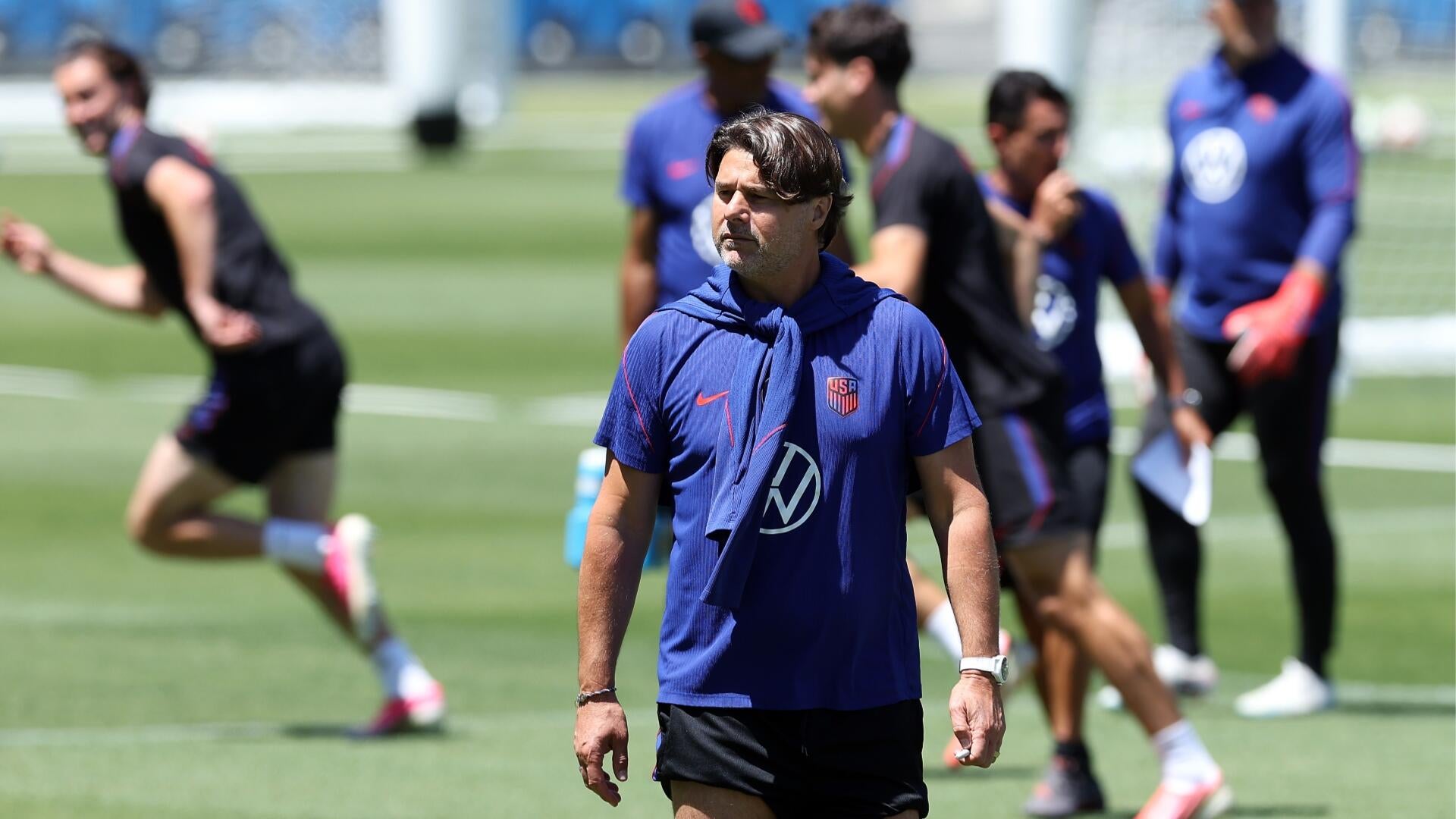
Roughly 7,000 tickets were still listed on Fifa's resale channels with under 24 hours to go before Saturday's World Cup third-place match between England and France, BBC Sport reported on 17 July 2026, a working definition of the indifference greeting the tournament's consolation final in the host country.
For two federations that spent the better part of a month building toward a trophy lift, the data point is also a verdict on the fixture itself. The winner leaves Qatar's neighbours with a bronze medal, a small line in the history books, and a flight home a day earlier than the finalists. The loser leaves with nothing. By Friday morning UTC, the secondary market had priced that asymmetry almost exactly: enough inventory to seat a mid-sized Premier League ground was sitting unsold at face value or below.
The match, in market terms
The fixture is also a content machine. CBS Sports published at least five separate betting-focused pieces on the game across 18 July 2026, a 14:43 UTC post flagging a DraftKings promo offering $200 in bonus bets after a first $5 wager, and a 14:47 UTC item pitching a BetMGM bonus code worth up to $1,500 in bonus bets if the first bet loses. A 13:29 UTC CBS Sports stream guide framed the contest as a meeting of "two top teams" for "a third place standing in the World Cup." A 10:00 UTC parlay column and an 11:25 UTC best-bets column from SportsLine rounded out the slate.
That volume of paid-adjacent coverage is not unusual for a marquee men's international in the United States, where sportsbook partnerships have become the default sponsorship layer. What is unusual is the gap between promotional spend and primary demand. Operator money assumes a viewer who has already decided to watch; ticket revenue tests whether a fan has decided to show up. The two signals have diverged.
Why a third-place game still gets staged
Fifa's scheduling logic for the bronze match has not changed since the tournament expanded beyond a pure knockout in the 1930s: it gives the two losing semifinalists one more meaningful fixture, rewards the third-place team with a medal ceremony and a small cheque from the prize pool, and locks in one more broadcast window before the final. Federations have periodically asked for it to be scrapped. Players, especially those whose tournament ends with the semifinal loss, mostly tolerate it because the alternative is two extra days of dead time before dispersing to their clubs.
None of that translates into urgency at the gate. A semifinal loser carries the specific psychology of a team that was one match from the final and is now being asked to perform a competitive task that has no competitive consequence. The body clocks are wrong, the medical staff have already begun exit physicals, and several rotation starters will be rested or released early to club duty. That is the product on offer.
What the broadcast picture looks like
American viewers will see the match on the network that holds the English-language World Cup rights in the United States, with kickoff coverage on the main CBS Sports YouTube channel and a stream guide page aggregating odds, prediction and lineup detail. UK viewers have a similar arrangement with the BBC, whose Sport desk has framed the story around ticket availability rather than team news. French broadcast coverage is anchored domestically and distributed internationally through the federation's rights partners.
The spread matters because the third-place match is structurally a broadcast product, not a gate product. Fifa sells it as part of the overall tournament rights package, and the value of that package is determined by aggregate audience across all 64 matches, not by the marginal revenue of any one fixture. An 80,000-seat stadium with 73,000 occupied seats is, for Fifa's accountants, nearly indistinguishable from a sold-out sign, because the broadcast rights have already been monetised and the ticketing delta is small relative to the overall budget.
The half-empty stage
That is the part the resale market is quietly registering. When 7,000 tickets remain on Fifa's own resale portal a day before kickoff for a fixture between the teams ranked first and fourth in Europe, the suggestion is not that fans cannot afford to attend, since comparable group-stage matches sold out within hours of release, but that the marginal ticket buyer has correctly priced the contest as one with no second-order consequences. Bronze medals travel back to London and Paris; they do not enter the standard rotation of elite achievement. A finalist's medal does.
Whether that calculus changes for the final on Sunday is the question the tournament's organisers will be most interested in, and one that the secondary market will answer before kickoff. For now, the data point is narrow: two of the deepest squads in the tournament will play a match that roughly a third of a Premier League stadium's worth of fans has decided is optional to attend in person.
The Monexus sports desk framed this around ticket demand rather than tactical preview, on the view that the broadcast-driven coverage cycle had already filled the prediction lane. Sources do not specify the stadium's full capacity or the secondary-market price floor for the resale listings.