England surge past France to take the bronze, and a touch of pride
Declan Rice scored inside three minutes and England led France 4-0 at half-time in the 2026 World Cup third-place play-off, with assistant coach Anthony Barry framing the performance as proof the squad will leave Miami with heads held high.
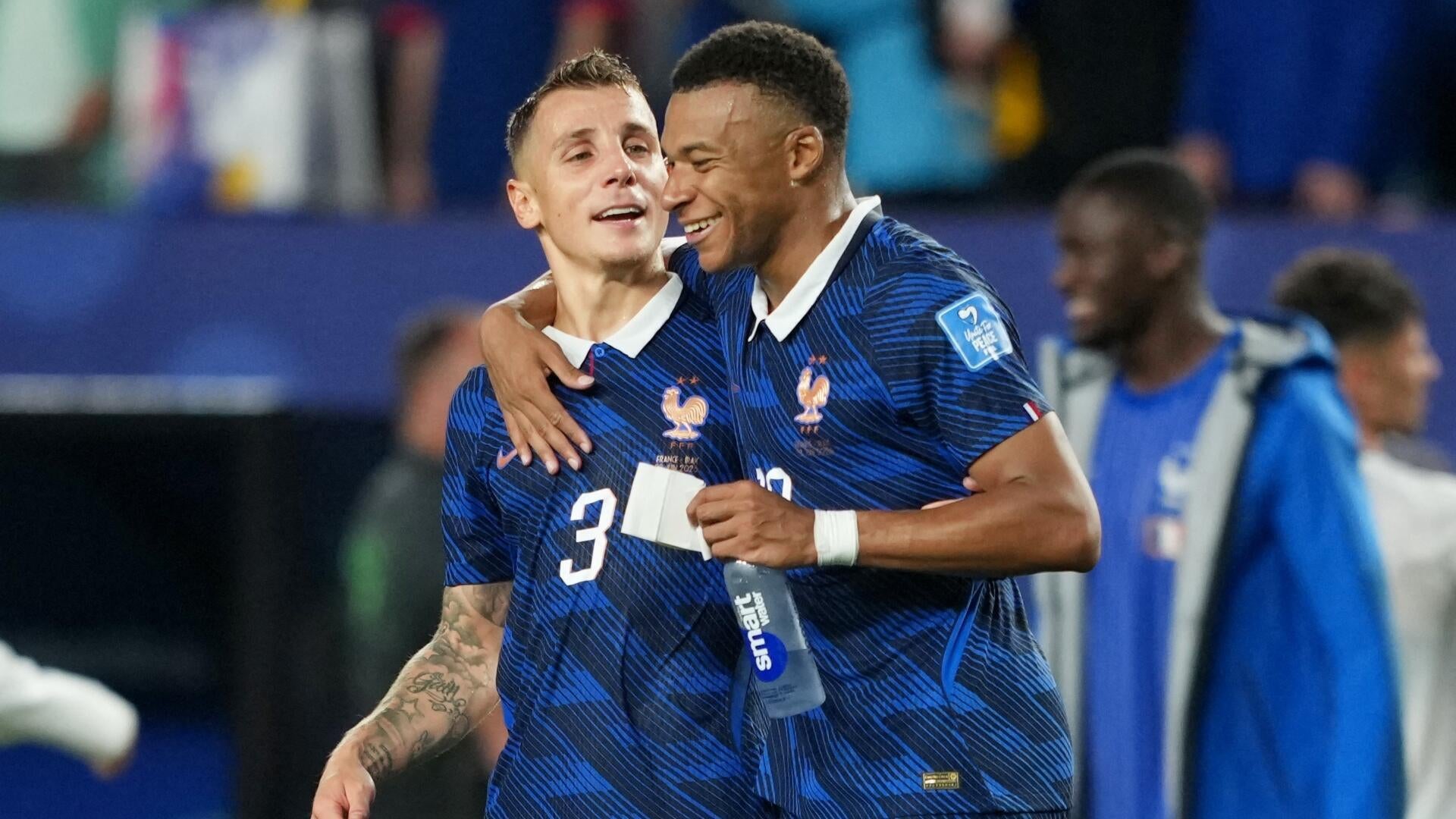
Declan Rice required less than three minutes to land the opening blow. The England captain steered his side in front against France at Miami Stadium on 18 July 2026, striking in the third minute of the 2026 World Cup third-place play-off and setting the tone for what became, by the interval, a one-sided contest. By the time the teams walked off for half-time, England led 4-0. The manner of it matters as much as the scoreboard, because the third-place game is rarely more than a polite footnote to a tournament. This one read, on the evidence of the opening period, like something closer to closure.
England arrive in this fixture carrying the residue of a semi-final defeat. So does France. The play-off offers no trophy, no place in the history books, only a third-place finish and the small matter of how a squad wants to be remembered on the way out. A 4-0 lead at the interval is the kind of statement a team makes when it has decided that the last image of its World Cup will not be the last image it leaves the tournament with.
A captain's opening
Rice's goal arrived in the third minute, per BBC Sport's match report of the fixture. Captain's goals, scored inside the first exchanges, travel further than ordinary ones: they announce a team's intent before the opposition has settled, and they give the stadium a story to tell from the very first camera cut. England built on that template through the half, scoring three further times before the break. BBC Sport's updates from Miami Stadium recorded the 4-0 scoreline at the interval, with the floodgates opening well before the dressing-room whistle.
It is a familiar England pattern that the goal scorers' identities are not listed in the source material available to this publication at the time of writing. The headline facts, drawn from BBC Sport's two live updates, are the early lead, the captain's strike, and the half-time margin. The supporting cast can wait for the post-match dispatch.
Barry's frame: heartbroken, but proud
Assistant coach Anthony Barry, speaking to BBC Sport at the interval, struck a tone that any travelling supporter will recognise. The squad, he said, was "heartbroken" by the way its tournament ended a step short of the final. He was also unambiguous that the performance was a credit to the players, and to a group that has dragged itself back to competitive football only days after a defeat that, by Barry's own description, hurt.
The contradiction is real and it is the right one. A 4-0 lead in a dead rubber is not the same thing as redemption. It is, however, a public correction to anyone writing the squad off on the back of one bad night. Barry's framing, echoed by the scoreline, insists that the same group of players who lost the semi-final are still capable of this.
What a third-place game is actually for
The conventional read of these fixtures is that nobody cares. That read is lazy. Third-place games resolve a small but real question: which of the two losers of the semi-finals leaves the tournament with the cleaner final memory. In World Cups past, Brazil have used the play-off as a launching pad for the next cycle, with the 1978 Italy side and the 2006 Germany team among those who turned a dead rubber into a foundation. France and England, with major-tournament rosters that will be picked apart by club football within weeks, treat such matches as auditions as much as farewells.
A 4-0 lead at half-time also tells the France camp something it did not want to learn about its depth. Their squad has carried the aura of serial finalists through this tournament, and a heavy defeat in the consolation match punctures that image at exactly the wrong moment, ahead of a long off-season of introspection. England, by contrast, leave Miami with the second-best record of any side at the 2026 World Cup, behind only the finalist they could not beat.
The shape of the evening, and what to watch
The sources do not specify the names of England's other goalscorers in the first half, nor the identities of any France substitutions made at the break. The scoreline is what BBC Sport's updates record; the rest of the picture will sharpen once full-time is filed. What can be said with confidence is that, by 22:21 UTC on 18 July 2026, the tone of England's evening had already been set by a captain's third-minute goal and an assistant coach's willingness to call the squad heartbroken and proud in the same breath.
The 2026 World Cup story is not yet closed. The final, scheduled to follow this fixture in Miami, will define the tournament's headline. England's contribution to that story will be a semi-final loss and, on this evidence, a third-place performance of the kind that gets remembered for the right reasons. The squad will fly home. The squad will, on Barry's telling, fly home with its head up.
Monexus framed this as a story about how a tournament ends, not just how it peaked: a third-place fixture framed by BBC Sport through an early captain's goal and an assistant coach's candour about the semi-final that preceded it.
Wire provenance
This editorial synthesis draws on the following public wire/social posts:
- https://en.wikipedia.org/wiki/2026_FIFA_World_Cup