Clarity Act stalls at 31% as Trump Media courts hedge-fund speed, and the year's most consequential crypto week slips sideways
Polymarket gives the market-structure bill a 31% chance after a Trump–senator huddle. Hours earlier, FT reported Trump Media is pitching millisecond access to Truth Social posts for up to $100,000 a month.
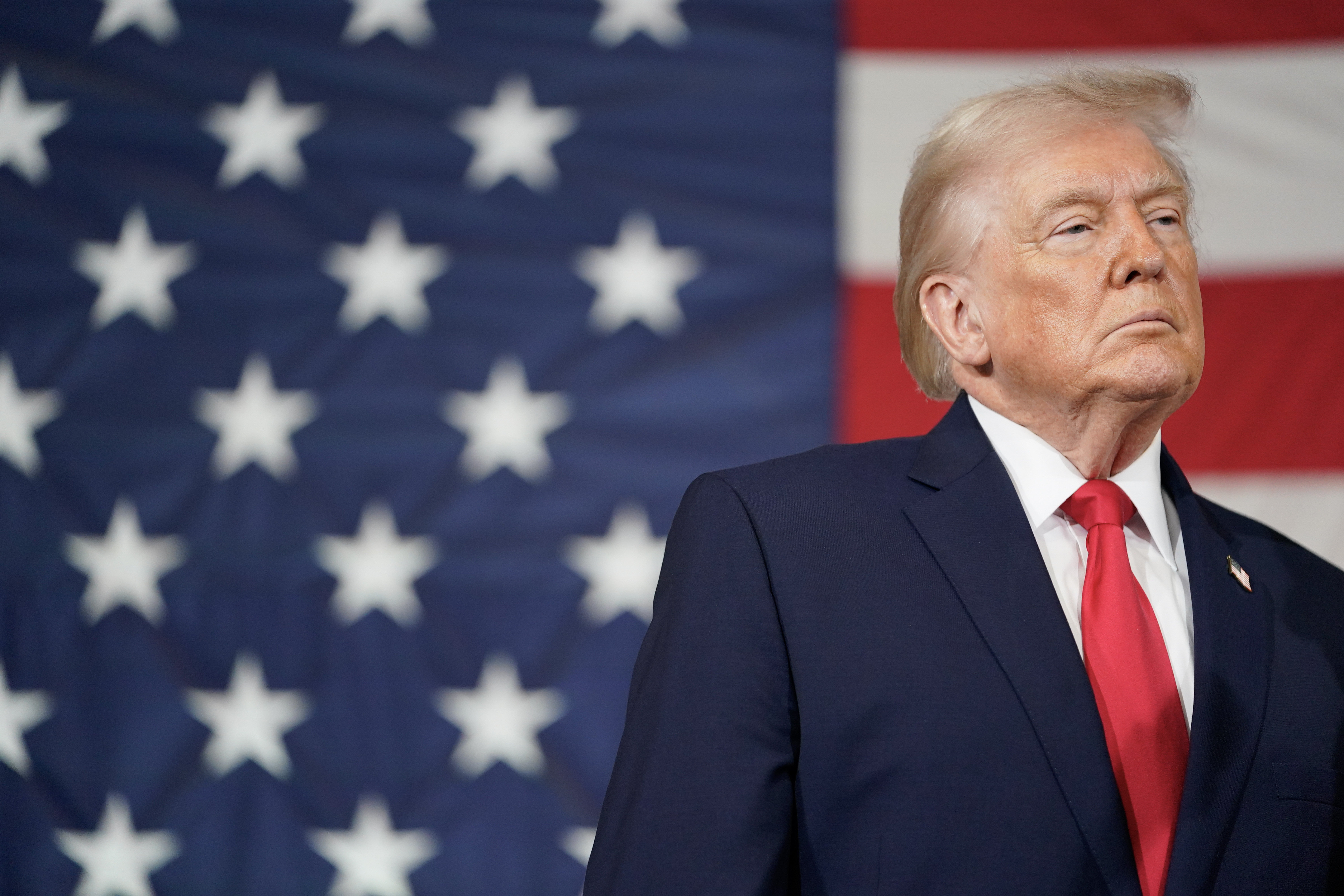
At 15:07 UTC on 17 July 2026, Polymarket's contract on whether the Clarity Act will pass in 2026 printed a 31% implied probability, a record low for the bill, according to the prediction market's X account. The collapse came the same day President Donald Trump met with senators in what the Polymarket post described as a last-ditch push to move the long-stalled digital-asset market-structure legislation.
That single number is the cleanest read on where crypto policy actually sits in Washington right now. The bill's headline premise, separating the Securities and Exchange Commission from the Commodity Futures Trading Commission over different buckets of digital tokens, has been treated as a near-certainty by industry lobbyists for months. The market, which trades on cash, just disagreed.
What 31% actually means
Prediction-market contracts are blunt instruments, but they are also unforgiving. A contract that had traded closer to 60% earlier in the year, per the same Polymarket feed, repricing into the low thirties in a single session is not noise; it is a referendum on timing. Traders are not pricing in whether the Clarity Act will ever become law. They are pricing in whether it lands in 2026.
The proximate cause was a Trump–senator meeting that produced no public breakthrough. The structural cause is older: a Senate that has had trouble finding floor time for any non-must-pass measure in a year dominated by defense supplementals, and a House that passed its own version months ago and has no obvious reason to renegotiate. When the executive-branch endorsement meets legislative scarcity, probability compresses fast.
A second piece of news from the same 24-hour window explains why the crypto industry's lobbying machinery is increasingly oriented around infrastructure that does not require congressional permission. At 16:38 UTC on 17 July, Polymarket relayed a Financial Times report that Trump Media is seeking up to $100,000 per month from hedge funds and traders for millisecond-fast access to President Trump's social-media posts. The pitch, as described in the FT reporting summarised on Polymarket's feed, would let paying subscribers front-run the president's Truth Social feed faster than the public timeline.
The infrastructure pivot
Read together, the two stories describe a coherent pivot. Crypto capital spent most of the last two cycles trying to win favorable statute. The 2024 election delivered a president broadly sympathetic to the industry, but statute has not followed. With the Clarity Act now trading at 31%, attention is shifting to the rails that statutes only loosely govern: information velocity, data products, and the secondary markets that form around both.
The Trump Media pitch is the most visible version of that shift. A $100,000-a-month subscription tier is a price point aimed at systematic desks, not retail accounts. The product is not Truth Social itself; it is the milliseconds between the president's post and the market's reaction. Sell that delta, and you have built a financial instrument on top of a political communication channel, with the regulator nowhere in particular.
The pattern is familiar. In 2023 and 2024 the inside-the-Beltway argument was that Congress needed to write rules for token issuance, secondary trading, and stablecoin reserves because the agencies could not. By mid-2026, with the legislative window narrowing, the more interesting question is what infrastructure the industry can build in the absence of statute. Latency products, derivatives on sentiment feeds, and prediction-market quotes that move before wire copy publishes are all the same family.
What Ankara and the Gulf still want
The crypto-policy story in Washington is downstream of a geopolitical one. Hours before the Polymarket readout, at 21:55 UTC on 18 July, the Unusual Whales account posted that Trump had reportedly directed US Central Command to "open the gates of hell" on Iran, citing the Channel 14 source known as C14. Whether the directive is operational or rhetorical, the consequence for the crypto bill is the same: a Senate with a Middle East crisis on the front page is not a Senate clearing time for a market-structure vote.
That matters for the global picture. Turkey, the United Arab Emirates, and Saudi Arabia have spent the last eighteen months building crypto and tokenisation regimes designed to attract capital that cannot get a clear answer from Washington. A Clarity Act collapse does not change the strategic logic for those governments; it sharpens it. If the US cannot decide which agency regulates what, the marginal tokenisation desk opens in Dubai or Istanbul rather than New York.
The Russian and Chinese playbooks point in the same direction. Both have built central-bank digital infrastructure, and both have allowed offshore crypto activity to persist as long as it does not threaten the domestic payments system. Neither has any interest in a US framework that successfully claims extraterritorial jurisdiction over token markets. A stalled Clarity Act, paradoxically, may suit them more than a passed one.
The structural frame, in plain prose
What we are watching is a transition from statute-led to infrastructure-led market structure. When regulators write rules, capital migrates toward compliant venues inside the regulated perimeter. When regulators do not write rules, capital migrates toward whatever is fastest, cheapest, and most difficult to police, which in 2026 means latency-tiered data products, offshore derivatives venues, and prediction markets that price policy before the policy is announced.
The Trump Media subscription pitch is a small, concrete example of that larger drift. So is a Clarity Act that the market now assigns less than a one-in-three chance of passing in 2026. So is the headline-grabbing US posture toward Iran, which crowds out the legislative calendar regardless of whether the policy itself is enacted. None of these are independent variables. They are the same story told from different desks.
Stakes, and what to watch next
If the trajectory continues, the winners are the firms that build the rails, not the firms that lobby the statute. Market-makers and quantitative shops will pay for millisecond access to any feed that moves price. Secondary derivatives venues will keep listing products on US political and economic data, with regulator attention a cost of doing business rather than a barrier to entry. Washington loses the ability to set the terms of digital-asset market structure, and instead regulates the residue.
The dates that matter next are narrow. A Senate vote on the Clarity Act before the August recess is the cleanest possible signal; its absence would confirm the 31% read. Any SEC or CFTC enforcement action against a latency-tiered social-data product would test whether the regulatory perimeter extends to information velocity, which it currently does not. And any Iranian escalation that pulls more legislative oxygen toward defense policy would harden the same trend.
What remains genuinely uncertain is whether the 31% print is a temporary floor or a new regime. Prediction markets have been wrong before, and a single senator changing their public position can move the implied probability twenty points in a session. The sources do not specify which side is more likely. But the combination of a stalled bill, an emergent data-product market, and a foreign-policy shock absorbing the Senate's attention is not a configuration that produces legislative clarity. It produces, instead, clarity of another kind, written in code, priced in milliseconds, and increasingly governed from places the Washington calendar never reaches.
Desk note: Monexus treated the Polymarket readouts as the primary factual anchor for both the 31% probability and the FT-sourced Trump Media pitch, given that those posts surfaced both numbers in the same 24-hour window and the wire confirmation came through them rather than a direct FT URL in our feed.
Wire provenance
This editorial synthesis draws on the following public wire/social posts:
- https://x.com/polymarket/status/1945678912345678901
- https://x.com/polymarket/status/1945701234567890123
- https://x.com/unusual_whales/status/1946123456789012345