ROSHN opens the door on Aramco Stadium as 2034 deadline tightens
Saudi Arabia's ROSHN is courting outside investors for the Aramco Stadium, the venue it plans to anchor the 2034 World Cup, and the move signals a quieter admission: even Riyadh's deepest pockets need partners for the build-out.
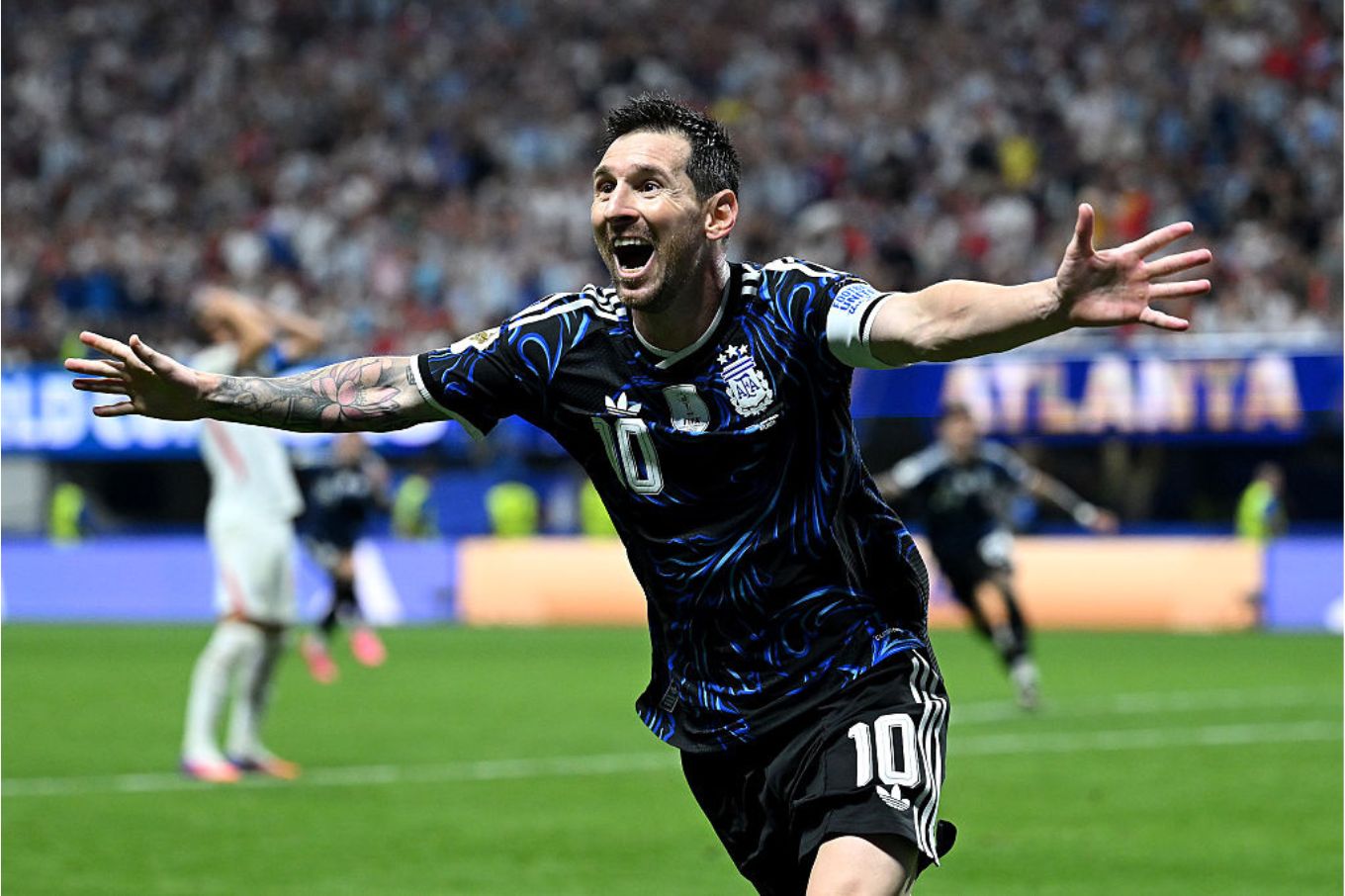
On 17 July 2026, regional outlet The Cradle reported that Saudi Arabia's ROSHN Group has opened talks with outside investors for its planned Aramco Stadium, a venue designed for the 2034 FIFA World Cup. The disclosure, brief as it is, lands at an awkward moment for Riyadh: the host deal was sold on sovereign balance sheet, and now the build-out is being shopped to external capital.
The pitch matters less for what it says about football and more for what it admits about the broader project. Saudi Arabia has spent the last three years routing sovereign wealth, public developers, and brand sponsorships through a single pipeline called Vision 2030, with sport as the marquee front-of-house. A stadium going to investors is the first sign that the pipeline is being widened to private books earlier than the original sequencing implied.
What ROSHN is actually selling
ROSHN is the state-aligned residential developer majority owned by the Public Investment Fund (PIF), Saudi Arabia's $925 billion sovereign wealth vehicle. PIF in turn sits at the centre of the kingdom's sport project: it took Newcastle United, runs the LIV Golf commercial structure, and bankrolls the domestic Saudi Pro League. Aramco Stadium is the planned venue for one of the host-city fixtures in the 2034 World Cup, a tournament awarded to Saudi Arabia in December 2024 by FIFA's 211 member associations in a single, uncontested vote.
The Cradle's reporting, drawn from a Telegram thread on 17 July 2026, frames the ROSHN move as a hunt for partners rather than a sale of equity in a discrete asset. That distinction matters. Saudi stadium projects so far have been funded through developer balance sheets, with naming rights packaged around anchor tenants like Aramco, the state oil major. Bringing outside investors in, even in a minority structure, shifts the risk profile and, by extension, the disclosure regime that comes with it.
The stadium budget is bigger than the football
The 2034 tournament is the single largest infrastructure commitment Saudi Arabia has announced outside of Neom and the Riyadh metro expansions. FIFA's hosting manual typically runs host associations through a fourteen-stadium requirement across a small set of cities. Saudi planners have signalled they will concentrate matches in Riyadh and four other host cities, with several new-build venues sitting inside wider mixed-use districts that ROSHN and its peers are already developing.
That bundling is the financial logic behind the investor hunt. A stadium by itself is a low-yield asset with a single event month every generation. A stadium ringed by residential towers, retail, and hospitality becomes a longer-duration real-estate play. ROHN has been selling exactly that thesis since 2021; it raised external debt in 2024 to pre-fund its Riyadh masterplans. An investor in Aramco Stadium is, functionally, an investor in the surrounding 15-minute district.
The counter-narrative on the Saudi balance sheet
The dominant Western wire framing of Saudi sport infrastructure tends to emphasise fiscal exhaustion: the line that the kingdom cannot, on its own, bankroll a World Cup, the asset transfers to PIF, the Neom cost re-baselining, and the oil price cycles that condition Riyadh's revenue. That is a coherent read, but it is not the only one.
A counter-reading takes the ROSHN disclosure at face value: sovereign developers opening books is a sign of maturing financial architecture, not distress. PIF has spent five years institutionalising unitranche structures, raising external debt, and packaging projects for co-investors. Bringing institutional capital onto a stadium project in 2026 is closer to a graduation than a give-up: it locks in partners for the operational life of the asset, after the eight-year build cycle has absorbed the political risk. The Cradle's framing leans toward this read, presenting the investor hunt as part of a controlled sequencing, not a forced sale.
What the sources do not tell us is the price of admission. Whether ROSHN is offering equity, a structured mezzanine instrument, or revenue-sharing tied to Aramco-branded hospitality is not on the record.
What the Gulf wants from outside capital
Sport infrastructure in the Gulf has historically run on three capital pools: state balance sheets for the public-facing bits, sovereign wealth for the strategic assets, and Western brand sponsorship for the soft-layer revenue. Investors are a fourth pool, and they change the politics.
External investors bring third-party scrutiny on cost overruns, milestone reporting, and procurement. They bring a different exit clock, not aligned with the World Cup year. And they bring rating-agency visibility to a project class that has so far been rated implicitly, through Saudi sovereign curves. The Cradle's reporting implies ROSHN is comfortable with that visibility; the investor hunt is not being run from a position of weakness.
For global institutional capital, the trade is direct exposure to a long-duration Saudi real-estate play, gated by a globally televised event in 2034. For Riyadh, the trade is a longer balance sheet, a deeper foreign investor base in the developer ecosystem, and a softer political relationship with multinationals who have their own ESG boards to satisfy.
What remains uncertain
The sources do not specify the size of the capital raise ROSHN is targeting, the investor class it is approaching (sovereign wealth, private equity, infrastructure funds, or a mix), or the indicative valuation being set against the stadium and the surrounding district. The 2034 fixture schedule has not been published in detail, so the venue's strategic importance inside the tournament calendar is not on the record. The disclosure that a hunt is under way is, for now, the single verifiable datum, and everything downstream of it is still negotiable.
What is clear is that a state-aligned developer has acknowledged, in its own conversations with outside capital, that the kingdom's flagship sport infrastructure cannot be financed on its own. That is a fact the official Saudi narrative has so far declined to voice, and it is the fact that gives this story its weight.
This desk framed the ROSHN disclosure through the lens of capital structure rather than the more common 'sportswashing' frame, because the investor hunt changes the financial architecture of the World Cup project regardless of how one reads Saudi motive.
Wire provenance
This editorial synthesis draws on the following public wire/social posts:
- https://t.me/TheCradleMedia
- https://t.me/thecradlemedia