Daniel Radcliffe narrates Kyle Gordon's third album, an unlikely pairing that says something about comedy's distribution economy
Daniel Radcliffe will narrate Kyle Gordon's third LP, 'Kyle Gordon Is Everywhere,' due 2 October. The booking reads less like a novelty and more like a map of how comedy now finds an audience.
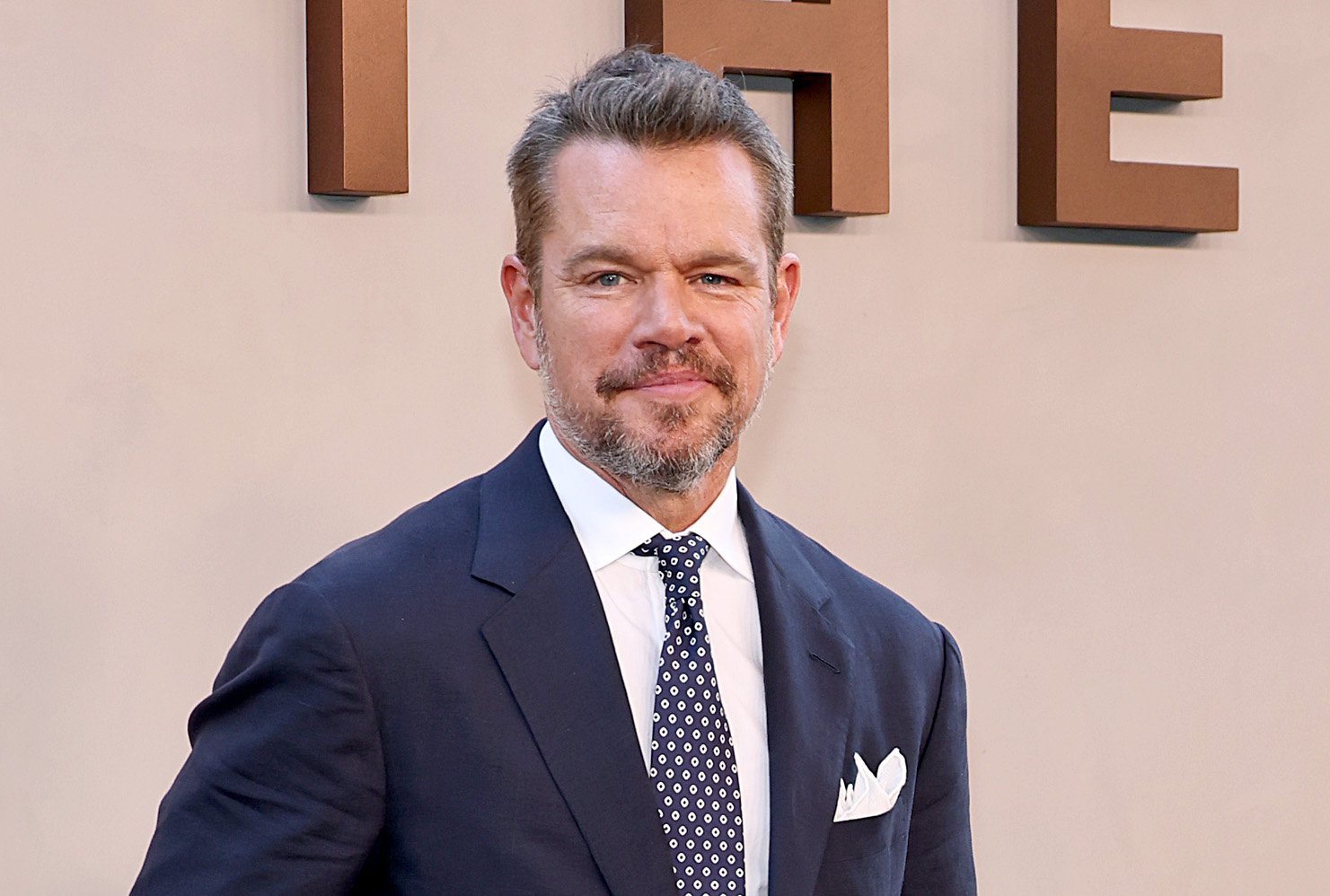
Daniel Radcliffe is going to spend a chunk of his autumn reading Kyle Gordon's jokes into a microphone. Variety reported on 17 July 2026 that Radcliffe will narrate "Kyle Gordon Is Everywhere," Gordon's third album, due out on 2 October. The pairing is unusual on paper: one of the most recognisable actors of his generation, still publicly tied to the franchise that made him famous, lending his voice to a comedian whose audience grew up almost entirely on platforms Radcliffe has never had to court. That mismatch is the story.
Gordon is not a household name in the way a sitcom lead or a late-night writer would be. He is a comedian and singer whose work has travelled through short-form video, festival bookings and a streaming-heavy fan base that built itself before any traditional gatekeeper gave permission. The Radcliffe booking does two things at once. It hands Gordon a piece of recognisable cultural infrastructure, the kind of voice that signals to a wider audience that the project is worth a look. And it gives Radcliffe, again, a foothold in the part of the comedy economy where the audience has actually migrated.
What the booking actually does
The mechanics are unglamorous and worth spelling out. A narrator on a comedy album is not a cameo. The voice is in the listener's ear for stretches at a time, framing sketches, introducing songs, sometimes carrying the through-line of the record itself. Radcliffe's name on the marquee will move units that Gordon's existing fan base cannot reach on its own. That is the whole point of the hire, and there is no reason to dress it up as something purer.
Gordon's previous work made a similar calculation in reverse. His viral material was distributed for free, monetised through touring, brand deals and the long tail of platform-native attention. An album with a narrator of Radcliffe's profile is a different artefact: a packaged object, with a release date, sold into a market where names still function as price signals. The album is a bet that Gordon's audience can be expanded by a known quantity, not just by the algorithm that surfaced him in the first place.
The actor's economy, twenty years on
Radcliffe does not need the work in any obvious financial sense. He has worked steadily since the franchise that defined his childhood ended, with a filmography that has stretched across stage, independent film and prestige television. What the Gordon album buys him is something harder to price: continued association with the part of the comedy landscape that is currently producing new audiences rather than recycling old ones.
There is a pattern here, visible across the last several years of Radcliffe's public choices. He has gravitated toward projects that treat him as a participant rather than a centre of gravity: ensemble casts, smaller films, voice work where the role is the joke. The Gordon album fits that arc. It also fits a broader reshuffling in which actors who can afford to take smaller risks end up with disproportionate cultural upside, because the room to fail publicly has shrunk for everyone else.
Why the timing matters
A 2 October release, against a comedy album market that has been contracting for a decade, is itself a positioning choice. The streaming platforms that have replaced the album as the primary comedy delivery system do not pay comedians the way recorded sales used to, and the touring economy that replaced those sales is increasingly bifurcated between artists who can fill rooms and artists who cannot. Gordon sits awkwardly between those categories: too big for the algorithm-only tier, not yet established enough for the theatre circuit.
A narrating credit from Radcliffe is the kind of signal that re-categorises an artist in the industry's internal accounting. It puts Gordon into conversations with bookers, festival programmers and label-adjacent financiers who would otherwise have treated him as a digital-native act with a ceiling. Whether the album's commercial performance justifies the booking is a secondary question. The booking has already done its job if it changes the kind of room Gordon plays next spring.
What to watch
Three things will tell us whether the bet paid off. First, the press cycle around the 2 October release: whether traditional outlets treat the album as a Radcliffe project, a Gordon project, or a genuine collaboration. Second, the touring schedule that follows, specifically the venue tier Gordon is booked into six months out. Third, and most diagnostically, the second-order bookings that come Radcliffe's way in the wake of this: whether other platform-native comedians treat the Gordon album as evidence that the door is open.
There is one thing the Variety report does not settle, and it is the question that will hover over the project until listeners hear it. Variety's exclusive confirms the booking and the release date, but does not characterise the album's content beyond the narration credit. Whether Radcliffe's voice functions as a straight-man anchor, a participant in the sketches, or something closer to a parody of audiobook convention is the variable that will determine whether the record is a curiosity or a reference point. The sources do not specify.
Desk note: Monexus treats this as a distribution-economy story dressed up as a casting story. The wire frame reads "actor does a fun side project." The structural read is that comedy's middle tier is being re-priced by who can borrow whose audience, and the Radcliffe-Gordon pairing is one of the cleaner recent illustrations.