Oil clears $88 as US–Iran re-escalation rewrites the energy premium
Brent trades above $88 a barrel, a one-month high, as US strikes on Iran intensify and Tehran claims an unprecedented 24 hours of retaliation across 140 days of open conflict.
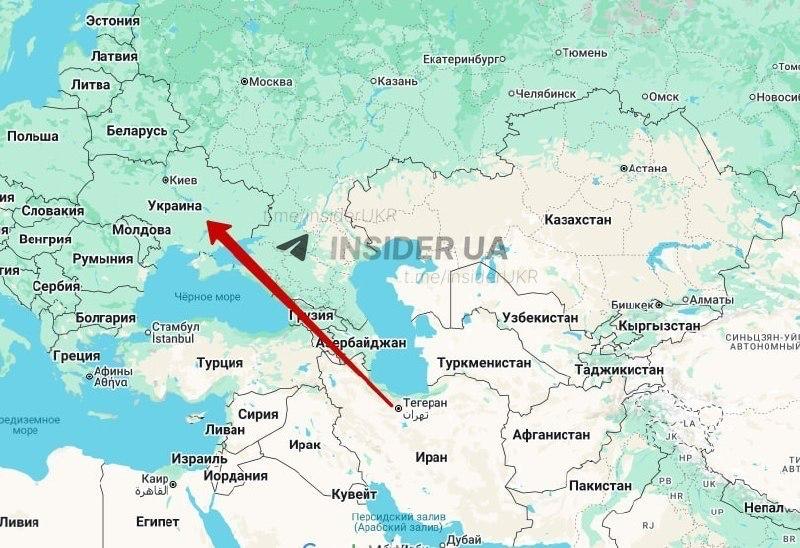
Brent crude cleared $88 a barrel on 17 July 2026, logging the highest print in a month as a fresh US campaign of strikes against Iran reset the geopolitical premium on energy markets. Iran's Tasnim News Agency put the headline figure at $88, a level last seen before the latest escalation cycle, while Al Alam's English wire flagged that US crude benchmarks had risen more than 20% inside fifteen days of renewed aggression. The price action is the cleanest single read on the market's belief that diplomacy has lost the wheel to bombardment, for now.
What makes the move unusual is the speed of the repricing rather than the level itself. A 20% climb in two and a half weeks reflects traders absorbing not just the strikes already flown, but the implied ceiling: a campaign with no visible off-ramp. Tehran, via its state-aligned Tasnim and the IR Iran Military channel, is signalling parity of intent, claiming attacks on "the enemy" over the past 24 hours were unprecedented across 140 days of open conflict, and pointing to US operational readiness for strikes inside Iranian territory. The framing from both sides is reciprocal, and markets price that reciprocity.
A market pricing the absence of off-ramps
The price action is a textbook read on the shape of the conflict. The Al Jazeera English breaking-news banner running on 17 July framed the moment plainly: a US–Iran deal looks increasingly distant as air strikes intensify, raising the prospect of an all-out war. A geopolitical premium is not the same thing as a supply shock, and the distinction matters. Through the Strait of Hormuz, traffic has not yet been formally disrupted in the reporting available; the move is in futures, not in loadings. But the option value of insurance, in the literal Lloyd's-of-London sense, has repriced.
The Al Alam figure deserves the same weight as any Western wire: a more-than-20% climb in US oil prices inside fifteen days is the kind of move that, in a quieter tape, would have been attributed to a single supply event. That it has been absorbed by an extended strike campaign is itself the story. Iran's Tasnim claim that the country's attacks on "the enemy" were unprecedented across 140 days of open conflict tells the market that the escalation is symmetric, and a symmetric escalation is harder for traders to discount than a one-sided shock.
The Iranian counter-frame
The Iranian read is not decorative. Tasnim's framing of an "unprecedented" 24 hours of retaliation across 140 days, and the parallel IR Iran Military message that the US is ready to carry out operations inside Iran, are explicit communications aimed at multiple audiences: domestic, where the Islamic Republic's claim of effective deterrence is existential, and external, where Tehran wants buyers and sellers of energy to price the prospect of an expanded war. The Iranian side is not simply denying the strikes; it is reframing them inside a longer conflict narrative in which Tehran is striking back, not absorbing punishment.
For Western readers, the temptation is to read Tasnim or Al Alam as one-directional propaganda and discard the pricing implications. That would be a mistake on evidence: the 20% move and the $88 print are, in effect, the market's partial endorsement of the Iranian claim that the conflict has duration and depth, not a single-shot climax. Whether the claim is true is a separate question from whether it is being priced as true.
What the structural picture actually shows
A few quiet threads bind this week's tape together. First, the strikes and the price move are coincident, not sequential: the market is not catching up to events, it is repricing in real time as each new headline lands. Second, the Iranian communication layer is coordinated across Tasnim (state-affiliated news), the IR Iran Military channel (operational signalling), and Al Alam Arabic (regional broadcast), suggesting a deliberate multi-channel posture rather than a leak. Third, the US side has not, in the available reporting, offered a diplomatic counter-track; the Al Jazeera framing of an intensifying campaign is the most credible Western read.
The structural pattern is familiar: a hegemonic order and a regional challenger find themselves unable to negotiate, and the price of energy absorbs the gap between rhetoric and outcome. In plain terms, when two armed parties cannot agree on the rules of a contest, the marginal cost of that disagreement is paid by everyone downstream who buys fuel. That is not a thesis about theorists; it is what an $88 print is doing right now.
What remains contested, and what to watch
The honest uncertainties. The Iranian "140 days" framing of open conflict is not independently corroborated in the Western wires visible to this publication, and the "unprecedented 24 hours" claim rests on Tasnim's own reporting. The Al Alam figure of a 20% rise in fifteen days is from a regional broadcaster with its own framing incentives, and the $88 print, while clearly reported, is one data point inside a volatile session. Crucially, no source visible to Monexus confirms an actual disruption to flows through the Strait of Hormuz; the move is in futures, not in loadings, and a futures premium can deflate as quickly as it inflated if a credible diplomatic track reappears.
The dates that matter next are short. Any sign of a Hormuz disruption, formal or informal, would push the premium higher still, and probably force a coordinated Western reserve release. Any sign of a back-channel, even an unconfirmed one, would do the opposite. In the meantime, the market will keep paying the cost of an absence of off-ramps, and the bill is now visible at the pump.
This publication framed the $88 print as the market's price on the absence of a diplomatic track, rather than as a forecast of war. The Iranian counter-frame was given full weight where its claims meet pricing reality, and stripped back to "reportedly" where they rest on Tehran's own reporting.
Wire provenance
This editorial synthesis draws on the following public wire/social posts:
- https://t.me/tasnimnews_en
- https://t.me/alalamarabic
- https://t.me/IRIran_Military
- https://t.me/tasnimnews_en