Argentina and Spain meet for the 2026 World Cup as a coaching thread pulls the final into focus
Lionel Scaloni and Luis de la Fuente arrive at Sunday's final carrying parallel résumés, parallel squads, and a shared footballing lineage the press has spent a week tracing.
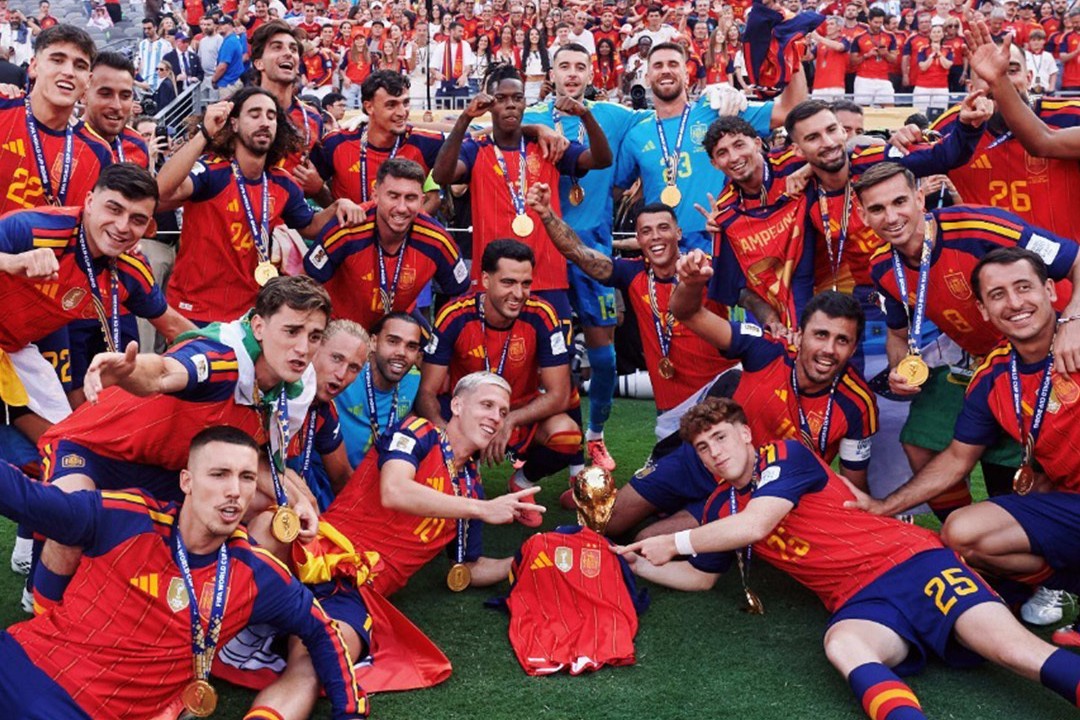
Argentina and Spain walk out at MetLife Stadium on Sunday afternoon for the 2026 World Cup final, the first meeting of these two programs at this stage of the tournament since the competition expanded and the first men's final between them in living memory. The 19 July kickoff, scheduled for 15:00 UTC according to CBS Sports' Footy Fix newsletter on 17 July 2026, caps a tournament that has run almost entirely on North American soil and ends with the two most decorated federations of the modern era sharing a pitch for the only trophy that still bends a national conversation.
The final is a referendum on two footballing models that have spent the last four years circling each other. Argentina, the reigning champion, has rebuilt around a core that won in Qatar and retooled around a younger supporting cast. Spain has arrived as the most tactically coherent side in the field, possession rooted in La Masia graduates and a midfield that presses in coordinated waves. The matchup also hands the coaches, Lionel Scaloni and Luis de la Fuente, a chance to measure two philosophies that share more DNA than either federation is comfortable admitting.
The coaching thread
Cuban outlet CubaDebate, summarising the Spanish sports press on 16 July 2026, flagged the link between the two dugouts as the framing device for the preview cycle. Both Scaloni and De la Fuente came up through their own federations' youth systems. Both took charge of senior national teams after long apprenticeships with age-group sides. Both have spent their tenures turning over aging cores without surrendering tactical identity. The Cuban write-up read the symmetry as the storyline the Spanish press wanted to push into the final 48 hours, a way to make the final feel like a contest between methods rather than a referendum on Lionel Messi's last World Cup match.
That framing flatters both managers. Scaloni arrived in 2018 with no senior club experience and rebuilt a squad that had lost its spine after Russia 2018. De la Fuente took over in 2022 after Spain's early exit in Qatar and reset a roster that had grown stale around the 2010 generation. Each has won a major trophy. Each has lost only sparingly. Neither has needed a tantrum to do it.
How the two finalists got here
Spain's run to the final has been a clinic in controlled possession. CBS Sports' 16 July 2026 predicted lineups piece noted that Spain has averaged more than 60 percent of the ball across the knockout rounds, with a midfield three built to press high and recycle quickly. Argentina's path has been narrower, defined by defensive organisation and a frontline that has produced goals in tight windows. The Albiceleste conceded first in three of their last four matches and came back in each, a pattern that places Sunday's first goal at the centre of the tactical conversation.
CBS Sports' Footy Fix newsletter on 17 July 2026 framed the broader weekend around the final but flagged that NWSL, MLS, and USL matches continue across the United States throughout the weekend, a reminder that the final lands inside an active domestic calendar rather than as a stand-alone event.
What is genuinely uncertain
Two questions will define Sunday more than any tactical board. The first is Messi. CBS Sports' 16 July preview treated his selection as the central lineup question, with the Argentina captain returning from a knock suffered in the semifinal. If he starts, Spain's press will set its trigger on him. If he does not, Julian Alvarez and Lautaro Martinez become the focal points of a frontline that has shown it can score without him. The second question is Spain's left flank, where a starter has not been confirmed and where Argentina's right-sided press has been most productive all tournament.
Both coaches have been reluctant to telegraph answers in the press windows, and neither federation has released an official lineup before publication. The Cuban preview, summarising Spanish press reporting on 16 July, suggested that both managers see the final as a matchup of mirrors rather than opposites. The result is that whatever advantage exists will likely come from a single positional battle rather than from systemic surprise.
Stakes
For Argentina, the final is a chance to become the first South American nation to win two men's World Cups since the competition went global in its current form, a bracket that has historically favoured European sides on European soil. For Spain, it is a chance to claim a first men's world title since 2010 and to validate a possession-led model that has been pronounced dead more than once in the last decade. The financial stakes for FIFA, broadcasters, and sponsors are larger than the trophy itself, but the federation that walks away with the result will spend the next four years arguing that its method beat the other's.
The press cycle has spent a week tracing the coaching parallel because it lets the final feel like something other than a Messi farewell tour. That is fair, but incomplete. Whatever happens on Sunday, it will also be a test of which footballing model travels best when both finalists arrive with full rosters and no obvious weak link.
This piece treats the CBS Sports preview cycle and the Cuban press summary as the primary inputs and does not name a winner, since the match has not been played at the time of publication.