Strait of Hormuz goes quiet as White House says Iran wants a deal
White House says Iran is negotiating and wants a deal, while citing an MOU violation as the reason for recent strikes. Not a single supertanker or LNG carrier moved through the Strait of Hormuz on Wednesday, a price-relevant signal worth watching.
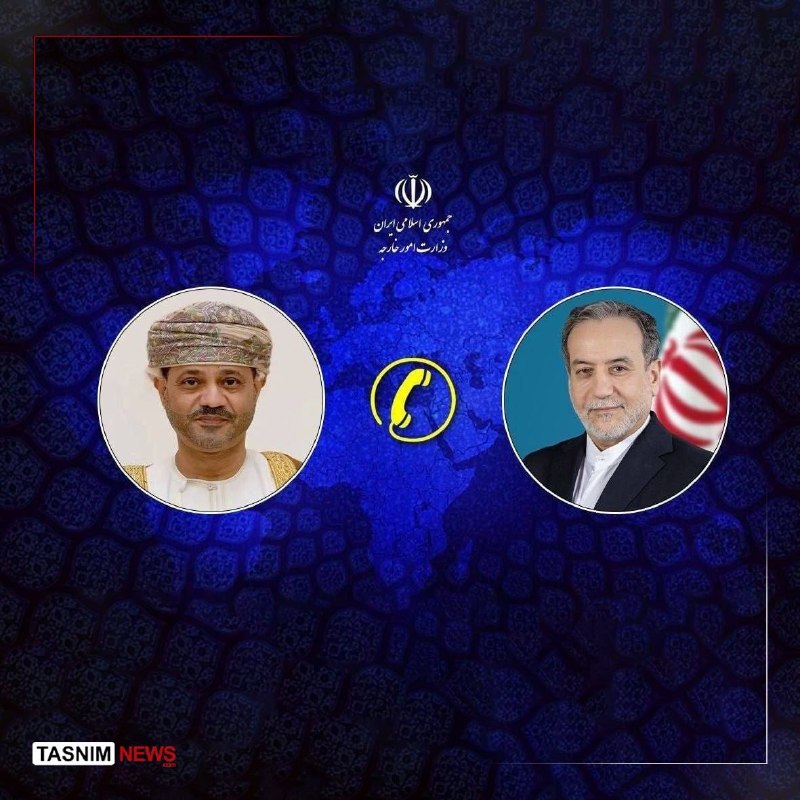
At 17:46 UTC on 16 July 2026, the White House said Iran is in active negotiations with the United States and wants to make a deal. The same desk in Washington, speaking one minute earlier to Telegram channels covering the conflict, gave a second, more pointed reason for the recent strikes against the Islamic Republic: Iran had violated a memorandum of understanding, the administration said, by firing on commercial vessels transiting the Strait of Hormuz.
The two messages landed within a minute of each other. Read together, they sketch a deliberate split-screen the White House has been assembling for weeks: escalation on the water, diplomacy in capital cities, and a public-facing story in which Washington holds both levers. The shipping data, however, tells a third story altogether, one the talking points cannot quite discipline. According to Reuters, as relayed by Polymarket at 04:07 UTC on 16 July, no supertanker and no LNG carrier passed through the Strait of Hormuz on Wednesday. Zero.
A chokepoint with approximately one-fifth of global seaborne oil passing through it does not shut down by accident. The absence of a single vessel in either category is the clearest market-readable signal yet that commercial operators, the people who actually decide what moves through which waterway, have stopped trusting the security environment around Hormuz for now, regardless of what diplomats say.
What the White House is actually claiming
The MOU rationale is the more revealing of the two Washington messages, because it concedes timing. Strikes, the argument runs, were a response to Iran firing on commercial shipping. That puts Iranian action before US action in the narrative sequence, and it does so in a way that ties Washington's military pressure to a written agreement Iran is said to have signed. The deal-track rhetoric, by contrast, is forward-looking and reads as an offer to Iran: stop, and you can have something.
US framing of an MOU violation is a load-bearing claim. It is the kind of detail journalists should treat cautiously until the document is published, because "signed an MOU" can describe anything from a binding executive accord to a non-binding exchange of letters. The White House has not, in the messages reviewed here, released text. Iran's own account of what its negotiators signed, and what they understood themselves to have signed, will decide how durable the legal story holds outside Washington.
The White House's "Iran wants to make a deal" line, delivered via Telegram channels at 17:46 UTC, also works as signalling rather than disclosure. It tells Tehran there is a runway, and it tells jittery oil markets that a runway exists. It does not, on its own, name counterparties, location, or agenda for talks.
What the tankers are doing
Shipping does not read press releases. Tonnage reroutes, insurance premiums adjust, and charterers delay sailings based on the perceived risk of an intercept, a mine, or a standoff at a narrow transit corridor. The Reuters data point relayed by Polymarket, that no supertanker or LNG carrier transited the Strait on Wednesday, is the sort of absence that tends to print in freight rates within seventy-two hours.
There are two plausible reads of a halt this complete. The first is that operators are routing around the Strait entirely, sending crude and LNG via longer Cape of Good Hope voyages or holding cargo offshore pending clarity. The second is that vessels are clustered near one end of the corridor, queueing rather than transiting, because navies on either side are visible enough to keep masters cautious. Either read implies a bill running into the hundreds of millions of dollars per week in extra steaming time, demurrage, and war-risk insurance. None of those costs have been quantified in the wire services reviewed here.
The US administration, for its part, has an interest in saying the shipping channel is still open and protected, which is presumably why officials emphasised that the recent strikes were about commercial-vessel safety in the first place. The shipping data and the political claim are not currently in the same place.
Counterpoint, Iran, and the structural frame
The most plausible alternative read of the day's events is that the White House is running a calibrated coercion campaign: enough military pressure to make Iranian negotiators weigh the costs of saying no, but enough diplomatic signal to give Tehran a face-saving ramp. That is consistent with how previous US-Iranian episodes have been played, from 2019 onwards, in which pressure phases alternate with talks. It is also consistent with Iran's incentive to keep the Strait as a lever rather than render it unusable, which would foreclose the country's own oil exports.
From Tehran's side, the public position in recent weeks, carried by Iranian state outlets and relayed in adjacent reporting, has been that Iran wants sanctions relief and a credible freeze-and-release architecture on its nuclear file in exchange for any de-escalation. The MOU-violation framing gives Tehran a way to insist, accurately, that recent ship-firing incidents are contested, while its broader strategic posture on the Strait remains intact. Neither Iran nor the United States, on the available record, wants a sustained closure of the Strait. Both have reasons to talk now, which is partly why a deal-track word and a strike-justification word can coexist in the same afternoon.
The structural backdrop is the slow erosion of the implicit guarantee that US naval power can keep a few critical sea lanes open and calm by default. That guarantee still holds most days. It costs more to underwrite on the days it does not. Watch the war-risk insurance quotes, not the communiqués, for the price of that erosion. And watch whether Iran's own crude keeps flowing through the same corridor in coming weeks, because the symmetry of restriction, applied to Iranian exports as well as others, is the most credible indicator the MOU is, in fact, biting both ways.
What to watch next
Three dates and one dataset. The dataset is daily Hormuz transit counts for VLCCs and LNG carriers, because a single non-zero day will move oil futures more than any briefing. The dates to watch are the first public readouts from any indirect channel between Washington and Tehran (likely Muscat or Doha, neither named in available reports), the next posting of war-risk insurance premia for Persian Gulf hulls, and any Iranian counter-message about what, specifically, its negotiators are prepared to acknowledge having signed. Until at least one of those clarifies, the White House is selling an MOU whose text has not been published, and Tehran is sitting on a deal whose terms have not been tabled.
This article was prepared using publicly available Telegram and X dispatches and does not contain reporting from a Monexus correspondent on the ground.
Wire provenance
This editorial synthesis draws on the following public wire/social posts:
- https://t.me/bricsnews
- https://t.me/ClashReport