USMNT exits its own World Cup in shock, and the questions now outnumber the answers
A month-long home tournament ended in Charlotte with a USMNT side describing itself as 'in shock' after falling to Belgium. The federation now has to decide whether the cycle was a once-off disappointment or a verdict.
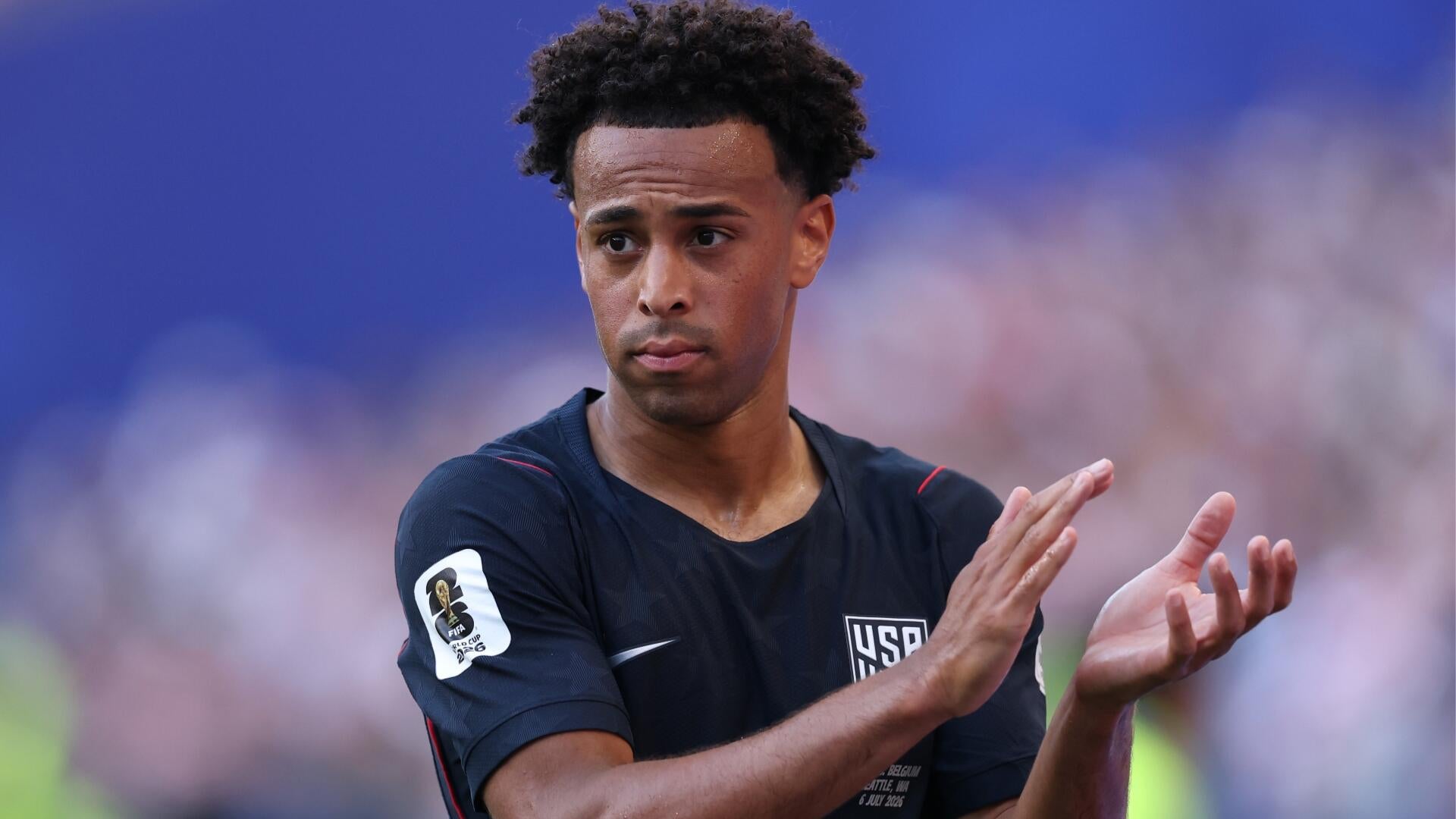
At 21:49 UTC on 16 July 2026, USMNT captain Tim Ream stood in front of a microphone in Charlotte and said the only word that fits. The Americans, playing in their own World Cup on home soil, were out. Belgium had ended the run. And Ream, asked by ESPN how the squad felt, reached for a single, unlovely noun: "shock."
That word now does a lot of work for a federation that spent the better part of a decade selling the United States as a country that had arrived at the men's game. The result will not change. The framing has to.
A tournament the hosts had, and then didn't
The 2026 World Cup was always going to be a stress test, not a coronation. Hosting brings revenue, attention, and the chance to convert casual fans into a permanent constituency. It also raises the floor under every underwhelming performance. The USMNT captured the country's attention for a month, per ESPN's 11:57 UTC dispatch on 16 July, and that is a real cultural artefact. Crowds filled. Television turned in. The jersey became a wardrobe item rather than a costume.
What the month did not produce was a run. A home World Cup ends in the knockout rounds, by a side that, on the day, executed the sharper football. Belgium, a nation that has lived through its own golden generation's slow exit, knows exactly how a tournament can turn on a single match. The USMNT knows that now too.
The captain's word
Ream's "shock" is worth sitting with. Captains choose their words. They rarely reach for a term that concedes the squad was unprepared for the moment; they reach for it when the gap between expectation and execution is too wide to paper over with cliché. The framing here is not that the United States lost to a superior opponent; the framing, as Ream delivered it, is that the performance itself was the surprise. That is a different and more uncomfortable story.
It puts the federation's preparation cycle under the same pressure the playing side felt on the pitch. The federation argued, credibly, that hosting the tournament would compress the distance between the USMNT and the established European powers. A month of evidence now sits next to that argument.
What the counter-narrative looks like
There is a defensible read in which this tournament was the ceiling, not the floor. The USMNT reached the knockouts. Belgium, on the FIFA rankings and on personnel cost, was the kind of opponent who punishes an off night. Home advantage does not move the ball; it moves the noise around the ball. Players in their early twenties, several of whom featured in this cycle, will be in their prime in 2030. A rebuild was always coming; this tournament was the bridge to it, not the destination.
That read holds. It also has a limit. Ream's "shock" is not the language of a side that simply ran into a better team on the day. It is the language of a side that looked at itself and did not recognise the performance. The federation will have to decide which read governs its next cycle: the one that points to a quarter-final exit as a step forward, or the one that points to it as evidence the developmental pipeline is still not producing the technical depth the modern men's game demands.
The structural frame
The deeper pattern sits below the result. The United States is the world's richest men's football market by broadcast rights, sponsorship, and matchday revenue. It is also a country whose senior men's side, hosting a tournament with the most favourable possible draw, could not reach the last eight. That gap between commercial weight and competitive output is not new; it is the central tension of US Soccer's last thirty years. What 2026 did was put that tension on the same stage as the marketing.
The federation can argue that the developmental pipeline is structurally sound, that the MLS academies and the European placements are finally producing a base, and that the next cycle will convert that base into results. That argument is the federation's job to make. The team's captain has now made the counter-argument in a single word, in Charlotte, with the cameras still running.
Stakes for the cycle ahead
The 2030 tournament will be played on three continents, with the United States sharing hosting duties. That structural fact changes the political pressure around any early exit: there will be no "home crowd" alibi. What 2026 leaves behind is a federation that has the money, the league, and the attention, and a captain who has publicly named the gap between those assets and the team's performance. Whether that naming produces reform or a more elaborate sales pitch is the question the next twelve months will answer.
The honest uncertainty here is the standard one. The sources do not specify which players will be available, which coaching staff will be retained, or how the federation will recalibrate its development spend. What they do specify is the emotional state of a captain who used the word "shock" to describe his own side's display. That word is the lede, and it is also the open question this cycle has to close.
Desk note: Monexus framed Ream's word as the analytic centre rather than the result. Wire coverage will lead on Belgium's win; the federation's harder task, and the reader's, is what to do with the captain's verdict.
Wire provenance
This editorial synthesis draws on the following public wire/social posts:
- https://en.wikipedia.org/wiki/2026_FIFA_World_Cup
- https://en.wikipedia.org/wiki/United_States_men%27s_national_soccer_team