Tuchel, England and the morning after a World Cup semifinal that ran away from them
A 4-1 scoreline, an Argentine captain rewriting knockout-stage records, and a manager whose substitutions did not save England from a semifinal exit.
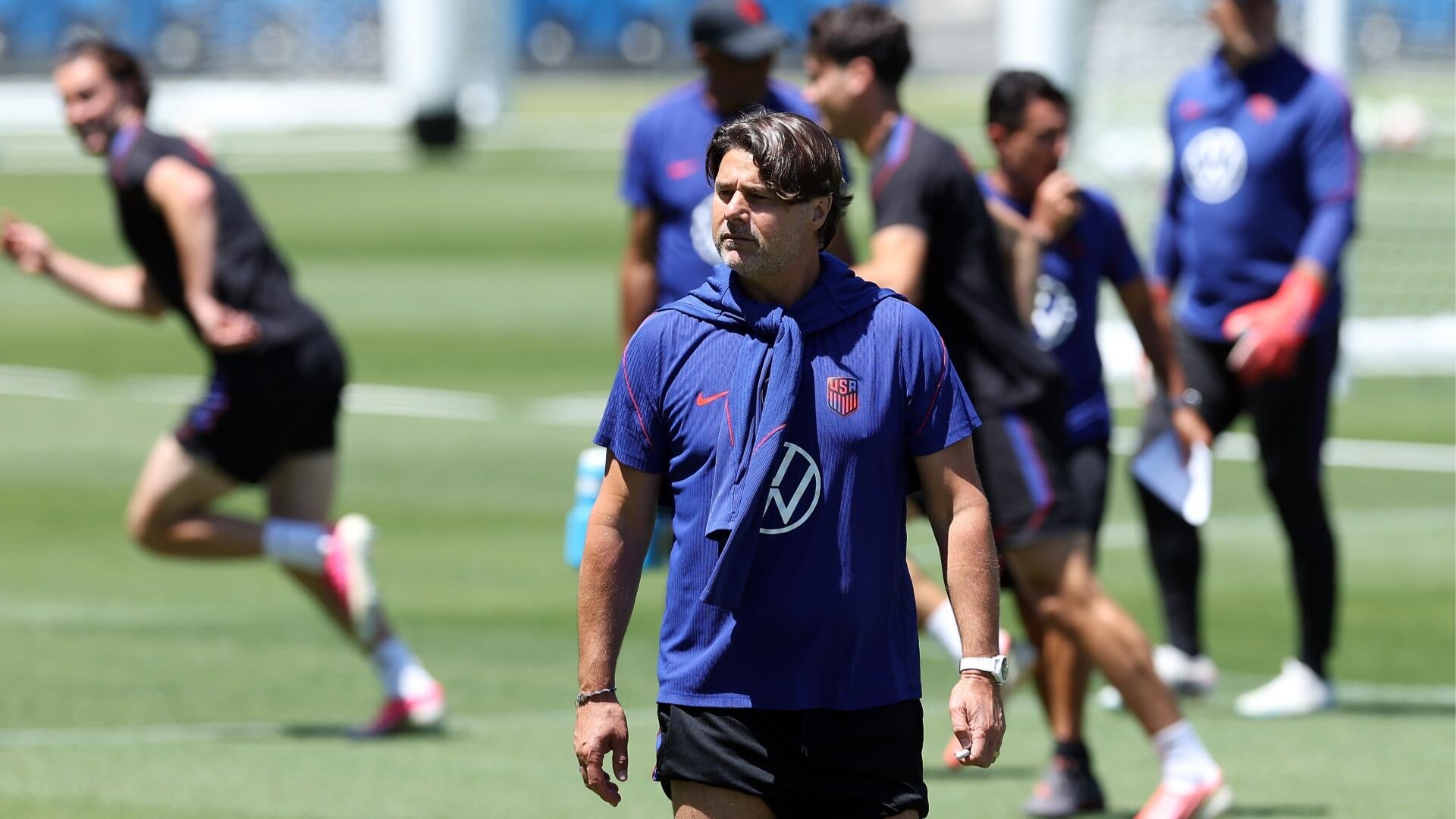
Thomas Tuchel woke up on 16 July 2026 to the kind of morning every national-team manager dreads. England were out of the World Cup. The semifinal against Argentina, played a day earlier, had not merely slipped away; it had been levered open, then sprint past the point of recovery. Indian Express reporting framed the post-mortem in unsparing terms, with the headline quote carried verbatim from the criticism aimed at the England bench: 'It could've been 4-1.' That sentence, blunt enough to be quoted in capital letters across back pages, distilled the technical argument: England were not the unluckier side on the night; they were the second-best side over ninety minutes, and the margin was wider than the scoreline.
Lionel Messi, the man the night belonged to, was asked afterwards what it meant to be back in a World Cup final. His answer was a study in the siege mentality Argentina carry into every knockout round: 'No one gives us anything for free.' The line is more than colour. It is the operating philosophy of a squad that has been written off at every step of the tournament, and it sets up the question that will define the rest of the competition. If Argentina are to lift the trophy, they will do so by extracting value from a tournament in which they have had to take every inch.
The night the substitutions could not land
Tuchel's England had arrived at the semifinal with the structural advantages one would expect of a top seed: depth in the squad, a settled defensive spine, and a manager with continental pedigree. The Indian Express criticism focused not on the starting eleven but on what came after it. The bench was heavy; the impact was light. England's late changes failed to alter the geometry of the match. By the time the closing minutes arrived, Argentina were already playing through the lines of a side that had run out of adjustments.
The '4-1' framing in the Indian Express piece is a scoreboard projection rather than a moral judgement: the argument is that the tactical shape of the match invited more goals than were actually conceded. England did not lose because of a single mistake, the critique runs; they lost because the shape of the side did not evolve while Argentina's did. That is the kind of loss a manager owns, and Tuchel now owns it.
Messi and the knockout-stage ledger
A separate Indian Express dispatch catalogued the records Messi broke in the semifinal itself, and the list is long enough to require its own paragraph. The 2026 semifinal took Messi past a series of previous tournament benchmarks set across his career: most knockout-stage goals at a single World Cup, most knockout-stage appearances for an Argentine player, and the deepest personal run at a tournament most expected him to spend on the bench. Whether one tracks goals, assists or simply minutes played in the latter stages, the Argentine captain moved to the top of a category that matters.
The King of World Cup knockouts framing, as the Indian Express put it, is not a coronation forced on the data. It is what the numbers show when laid end to end. For England, the uncomfortable corollary is that one of the two greatest players in the history of the sport chose this semifinal to post one of his most complete performances.
What Argentina still has to prove
The 'no one gives us anything for free' line points to a squad that has internalised underdog status even while wearing the number-one-on-the-shirt. Argentina have reached a final; they have not won one yet, and the final opponent will not be intimidated by reputation. The group-stage wobbles are still inside the squad memory, and the depth chart behind Messi remains thinner than the depth chart in front of him. The next match, not this one, is the test that defines the campaign.
There is a structural point underneath the personal milestone talk. National-team football, at this level, runs on knockout-stage leverage: the ability to win ugly, to defend a lead, to score when the shape of the match narrows. Argentina have shown that capacity against England. They will need it again.
What Tuchel takes into the next cycle
For Tuchel, the morning-after problem is not whether he is the right manager. It is whether the model he brought to the job, which works at club level across a long season, can be recalibrated for the short, sharp arithmetic of a knockout tournament. England's squad will not be radically younger in four years; the core that lost this semifinal will largely return. The question for the Football Association is whether the staff around the players changes, and in what direction.
The next international window begins in September. By then, the cycle will have moved on, and the only datum that matters today is the result. England lost a semifinal that, by one reading at least, was closer to a four-goal margin than a one-goal one. Argentina won it, and their captain broke records on the way through. That is the scoreboard. The next one starts from zero.
Desk note: Monexus treated the Indian Express wire as the primary sourcing layer for this piece, given its direct access to the post-match quotes and records ledger. The framing is deliberately narrower than the broader British tabloid cycle around Tuchel; we are reporting what was said and what was scored, not what the rumour cycle is now constructing around the manager's future.
Wire provenance
This editorial synthesis draws on the following public wire/social posts:
- https://en.wikipedia.org/wiki/2026_FIFA_World_Cup