Trump Says Iran Is 'Behaving' as Congress Gets Word on July 7 Strikes
Two July developments in the US-Iran file sit uneasily side by side: a presidential letter to Congress framing the July 7 strikes as defensive, and televised comments that Tehran now "behaves" while negotiations proceed.
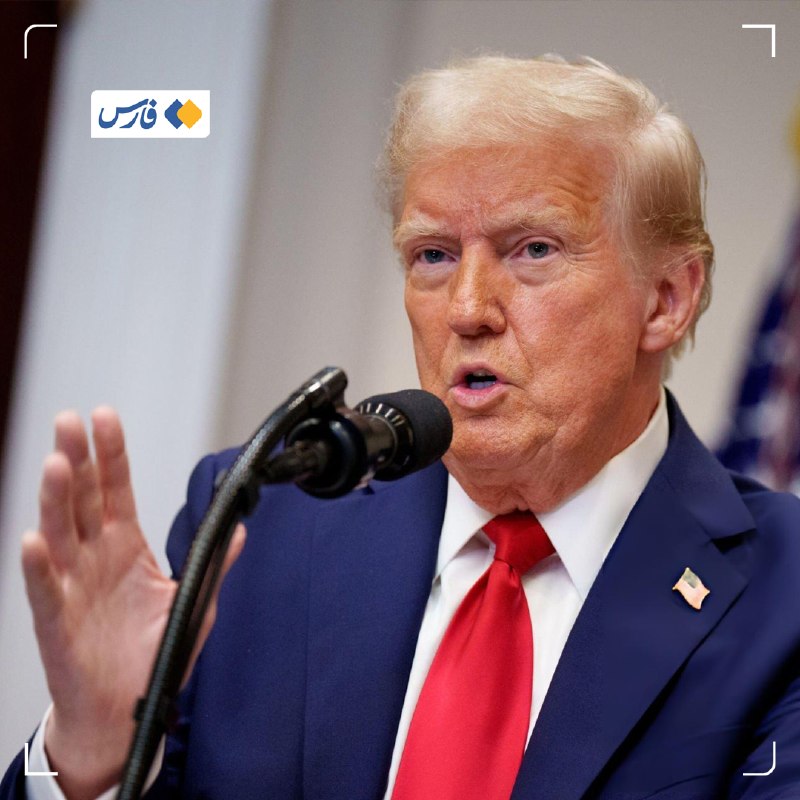
Two developments landed within nine days of each other on the US-Iran file. On 10 July 2026, President Donald Trump notified Congress that the military action that began on 7 July 2026 was, in his words, "consistent with my responsibility to protect Americans and United States' interests," according to a letter excerpted on X by the Unusual Whales account at 03:31 UTC on 16 July. Five days after the strikes opened, on 15 July, Trump told attendees at the Defense and Innovation Summit that Iran "badly wants to settle" and is "behaving," as relayed by The Epoch Times via Telegram at 12:32 UTC on 16 July.
The juxtaposition is the story. Strikes on 7 July, a constitutional notification on the 10th, and a televised verdict on the 15th that the same target is now manageable, all delivered from the same administration. Read in sequence, the picture is of a White House that has used force, framed it as defensive, and is now describing the diplomatic aftermath as a success.
The letter to Congress
The 10 July letter is the document that gives the strikes their domestic-legal scaffolding. Under US law, a president reports military action to Congress within 48 hours of deploying armed forces abroad. The line Trump chose, "military action consistent with my responsibility to protect Americans and United States' interests," is the boilerplate of that notification category. It is not a war declaration, and it does not specify targets, scale, or rules of engagement publicly.
Two things follow from the text as excerpted. First, the administration is treating the 7 July action as a discrete, limited operation rather than the opening of a sustained campaign, which is the framing that lets it describe Tehran as now "behaving." Second, the absence of detail in the public excerpt means Congress is being asked to accept the operation on the executive's own characterisation, with no enumerated legal basis visible in the released lines.
The 'behaving' verdict
At the Defense and Innovation Summit on 15 July, the president's read of the diplomatic state of play was blunter and more confident than the legal language. The Epoch Times account of the remarks quotes Trump saying Iran "badly wants to settle" and is "behaving" during negotiations, a phrase that frames coercion and diplomacy as a single instrument rather than separate tools.
The strategic logic behind that phrase is the leverage thesis: that military pressure, applied decisively and briefly, lowers the negotiating temperature by raising the cost of intransigence. If that reading is right, the next sign of progress will be substantive movement on the file Tehran has been most reluctant to open, namely enrichment caps, stockpile disposition, and IAEA access at sites that were central to the 2024-25 standoff. If the reading is wrong, the same pressure has merely delayed a confrontation, with the underlying program still in place.
What the framing leaves out
The administration's read leaves several things unsaid. The Congressional letter as released does not name what was struck on 7 July, what weapons were used, or what damage assessment the US side has reached. Iranian state media have not, in the materials available to this publication, accepted the "behaving" characterisation; Tehran's MFA briefings in recent days have continued to frame the strikes as a violation of sovereignty.
A second omission is the regional reading. Strikes against Iranian-linked targets, where they fall on territory of a third country, have consequences that run through Iraqi, Syrian, and Lebanese politics that the "behaving" verdict does not address. Gulf states watching the exchange have their own incentives to push the temperature down before oil infrastructure is mentioned in a briefing.
A third is the Israeli-Iranian axis. Israel has, in past cycles, viewed any US-Iran accommodation as a constraint on its own operational latitude. The administration's optimism about Iranian behaviour does not foreclose that Israeli calculation, and it does not address what happens if a parallel Israeli track produces kinetic events that complicate the diplomatic one.
Where this goes next
The operative question for the next two weeks is whether the "behaving" framing survives contact with the next round of talks. The signal to watch is whether the Iranian delegation shows up with a written counter-proposal covering enrichment, or whether it keeps the negotiations at the level of principle. A written counter-proposal, narrow as it may be, would be the first concrete evidence that the pressure is producing movement rather than a deferral. Another round of strikes would be the other signal, and it would tell us the administration has read the diplomacy as already failed.
The sources do not specify the targets struck on 7 July, the exact text of the Congressional letter beyond the excerpted line, or Iran's official response to the "behaving" characterisation. Those gaps are the things to watch, and they are also the things most likely to be clarified or contradicted in the next reporting cycle.
Desk note: this article leads with the administration's own framing of the operation and treats the "behaving" line as the interpretive centre of the story, rather than as a backdrop to the strikes. The Monexus read is that the letter to Congress and the summit remarks are a single rhetorical act, not two separate stories.
Wire provenance
This editorial synthesis draws on the following public wire/social posts:
- https://t.me/s/epochtimes