Bonus bets, real money: how the Phillies-Mets Thursday slate became a sportsbook ad war
Two rival sportsbooks spent Thursday afternoon bidding for the same bettor. The bidding war tells you more about the US sports-betting economy than the baseball does.
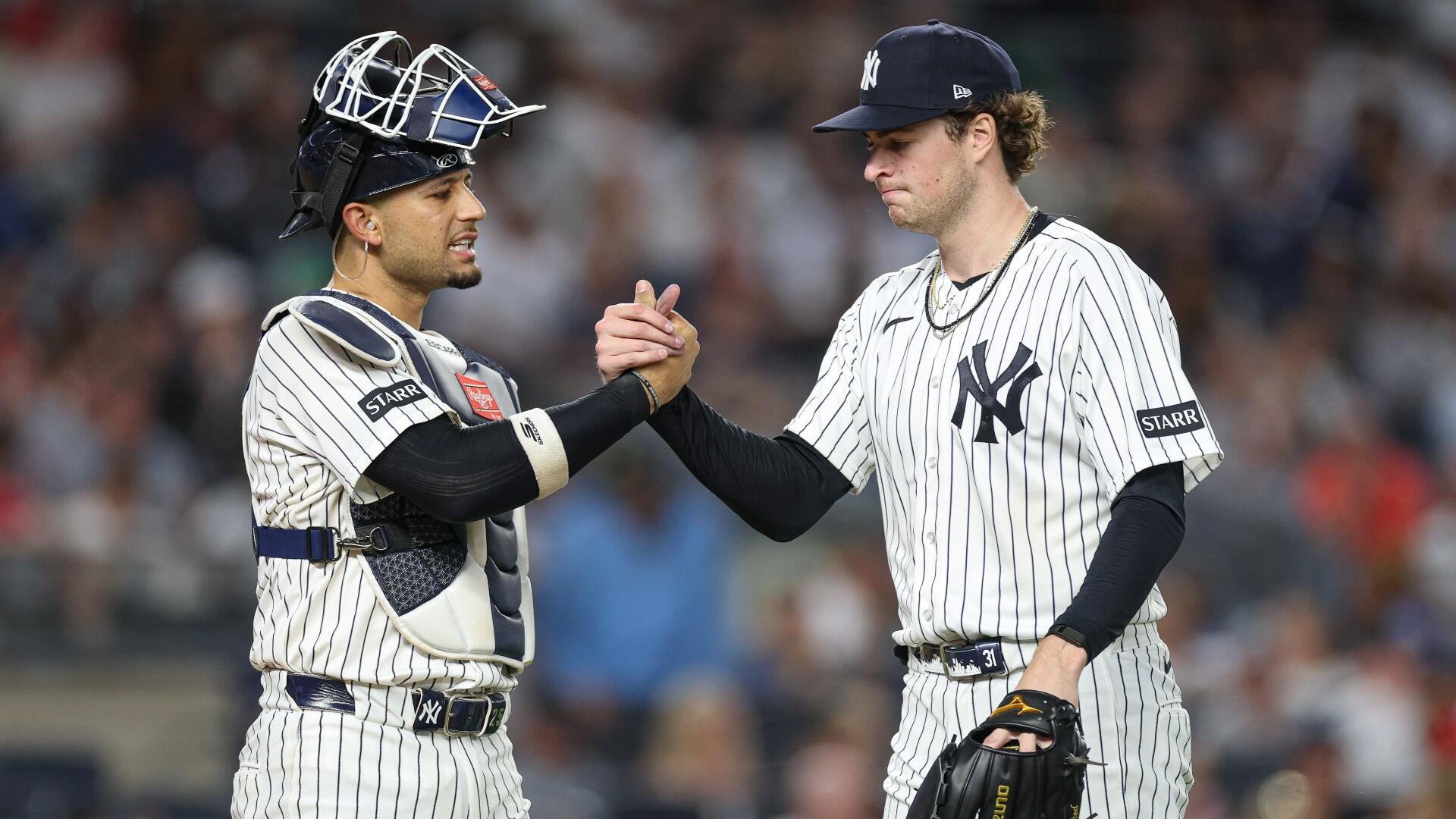
Two of the largest American sportsbooks spent Thursday afternoon, 16 July 2026, bidding openly for the same bettor's first $5. DraftKings offered $200 in bonus bets the moment that initial wager cleared, under the promo code that has been live across the operator's July marketing cycle. Within roughly an hour of that push, BetMGM countered with a $1,500 bonus-bet package, contingent on a losing first bet, using the code CBSSPORTS, and pointed the offer at the same game: Philadelphia Phillies at New York Mets.
The matchup is the pretext. The bidding is the story. The promotional value being dangled in front of a single new account holder, in a single Thursday afternoon window, exceeds the median weekly US household grocery spend. The economics underneath are worth looking at, because they explain why the offers keep getting louder and what the noise costs the rest of the league.
The price of a customer
Sportsbook customer-acquisition cost has been the industry's worst-kept secret for three years. DraftKings' $200-for-$5 structure is the most efficient iteration of a model the entire sector has converged on: take a small loss on the first bet, recover it (and more) once the customer's second, fifth, and twentieth wagers start pricing in the hold. A bettor who deposits, claims a $200 bonus, and walks away costs the operator roughly the bonus payout plus the payment-processing fee. A bettor who stays for a season is worth many multiples of that.
The structure assumes the bonus will be redeemed into the house's product, where the vig, the parlay margins, and the in-game markets do the real work. Bonus bets are not cash. They cannot be withdrawn; they can only be staked, typically at reduced or zero value on the wager that follows. A $200 bonus bet, settled at standard pricing, converts into roughly $140 of real withdrawable winnings if the underlying bet wins at even money. The rest of the value is the operator's customer-acquisition budget, dressed up as a payout.
That is why BetMGM's $1,500 figure deserves a second look. A $1,500 bonus, contingent on the first bet losing, is not a $1,500 gift. It is $1,500 of house credit that only converts if the bettor keeps betting, and only converts in the operator's favor on the bets that follow. The 7.5x gap between the two operators' headline numbers, posted within an hour of each other on a Thursday in July, is a tell: DraftKings is pricing for a wider funnel of casual bettors, BetMGM is pricing for the heavy hitters who would already be inclined to deposit.
Why Thursday, and why this game
The Phillies-Mets series is mid-July appointment viewing in the NL East, regardless of the standings. The rivalry sells itself, which is why it is being used as the hook for both offers. Sportsbooks do not pay to advertise against bad television. They pay to advertise against games they know will draw a captive, emotionally invested audience already inclined to put money down.
July is also the structural sweet spot. The NBA Finals are settled, the NFL is still in summer camp, and baseball owns the calendar. Promotional budgets that might have been spent on the NBA's second-round games or on Champions League qualifiers get redirected to the only live product left. A single weekday afternoon game between two division rivals becomes the canvas for a six-figure combined ad spend from two of the three biggest operators in the country.
The cost nobody is pricing in
The bonuses are loud, but the line item that does not appear in the marketing is the one the rest of the league is paying for. Sportsbook advertising now dominates the in-game broadcast product on regional sports networks. The pace of play, the camera cuts to live odds, the sponsored segments between innings: all of it is paid for out of the same promotional budget that produces the $1,500 bonus offer. Players see their names inside odds tickers. Fans see point totals rewritten between pitches. The game itself is being slowly recast as the frame around a betting product, not the other way around.
There is a counter-argument that the leagues themselves are beneficiaries. MLB has integrated sportsbook partnerships into its official sponsorship tiers. State tax revenue from legalised wagering has become a meaningful line in several state budgets. League-side, the share of the promotional spend that flows back to the broadcast and data partners is real, and growing. The honest reading is that the league, the network, and the operator are all being paid. The only party not being paid is the viewer, whose attention is being quietly auctioned to whichever operator bid highest for that inning.
What to watch on Friday
The offers will reset by the weekend. DraftKings has historically refreshed its bonus structure around marquee events, so a Friday morning announcement of an NFL-adjacent promo is plausible. BetMGM's $1,500 figure, in particular, is a defensive posture: it is the kind of offer that gets pulled as soon as the customer-acquisition data for the week comes in. A reader who actually wants to claim the offer should treat the 16 July window as the relevant one, and should treat the headline number as marketing, not as money.
The more durable story is the one underneath. Two operators, one game, one afternoon, and a combined promotional bid north of $1,700 for the right to own a single new account. That is the real exchange rate of the US sports-betting economy in July 2026, and the baseball is just the vehicle.
This article treats the DraftKings and BetMGM offers as the only primary-source inputs available for the 16 July window. Promotional terms attached to either offer can change without notice; readers should verify current conditions on the operator's site before depositing.