Four killed in Gaza as ceasefire framework frays
Israeli strikes in southern and northern Gaza killed four Palestinians in 24 hours, the enclave's health ministry says, while a separate vehicle bombing near Khan Yunis adds to pressure on the truce architecture.
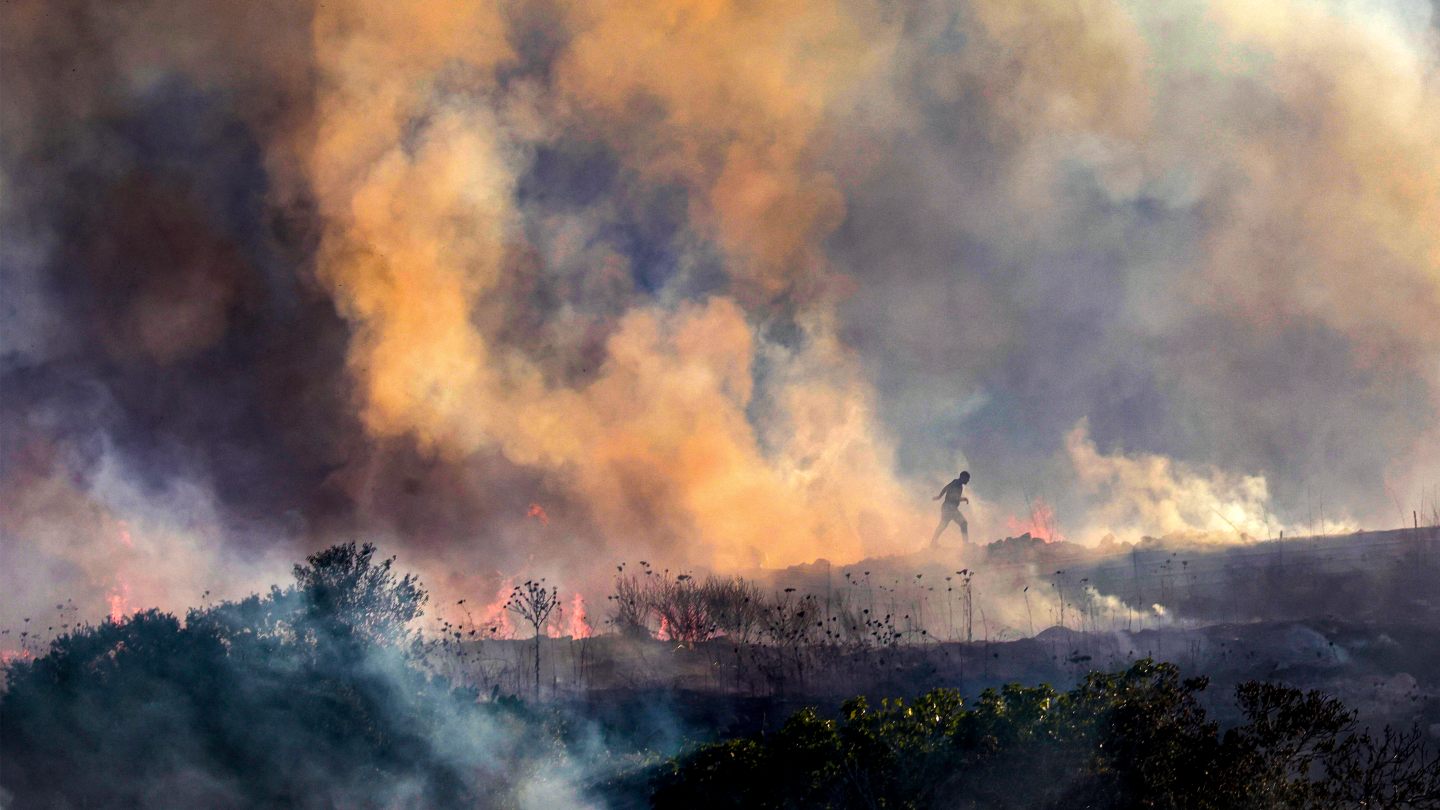
Israeli aircraft struck a vehicle near Asdaa city, northwest of Khan Yunis, before noon local time on 16 July 2026, killing two Palestinians and wounding several others, the Beirut-based outlet The Cradle reported. The same 24-hour window saw four Palestinians killed across the Gaza Strip in renewed attacks, according to the Palestinian Ministry of Health in Gaza and tracking by The Palestine Chronicle, with bombardment and incursions continuing despite the ceasefire framework that has nominally governed the territory.
The pattern is modest in scale compared with the war's worst phases, but consistent in direction. It points to an arrangement that is holding in name more than in practice, and to a humanitarian accounting that has not paused with the truce.
A fragile truce, a familiar toll
The Cradle's 09:23 UTC dispatch carried the health ministry's daily summary: four Palestinians killed over the previous 24 hours, three in new attacks and one who died from injuries sustained earlier. Twenty-eight injured arrived at hospitals across the strip in the same window. The cumulative toll since 7 October 2023 now stands at 73,250 deaths, according to the Gaza health ministry's running count relayed by the Palestinian news agency WAFA. That figure includes those who died from previous wounds, collapsed infrastructure and the slow-moving consequences of wartime deprivation; the ministry does not distinguish combatant from civilian in its daily bulletin, and the figure is contested by Israeli authorities, who argue the methodology inflates the count.
The ceasefire arrangement that suspended the most intensive phase of hostilities was never described by either party as a permanent settlement. It was, and is, a holding pattern. Daily deaths at the rate now being reported suggest the holding pattern is leaking.
What the southern strike looked like
The vehicle strike near Asdaa, a locality on the northwestern edge of Khan Yunis governorate, followed the pattern that has recurred throughout the war: a targeted vehicle, a sudden blast, civilians nearby. The Cradle's correspondent described two killed and several wounded; the figures are initial. No Israeli military statement confirming or characterising the strike had been published in the wire feeds available at 09:36 UTC. Israeli forces have, in past months, struck vehicles they said contained combatants or those preparing attacks; Palestinian outlets have repeatedly reported the dead as civilians. The discrepancy is structural, not a matter of transcription. Each side operates with a different evidentiary threshold and a different audience.
The geography matters. Khan Yunis governorate has been one of the most heavily struck areas of the southern strip across the war. If the truce is being tested anywhere first, southern Gaza is where the early warnings appear.
The health ministry as a contested source
The Gaza health ministry's daily bulletin is the single most-cited figure on Palestinian wartime deaths, and the single most contested. Western wire services that aggregate its numbers, Reuters, the Associated Press, the BBC, do so with caveats: the ministry is run by the Hamas administration in Gaza, but its medical staff are career civil servants whose figures historically align with independent UN and Israeli intelligence assessments in earlier phases of the conflict. The argument the Israeli government makes is methodological: the ministry cannot reliably distinguish civilians from combatants, and it does not include combatants killed by other factions in its totals. The argument international humanitarian organisations make is that the underlying daily count of deaths and injuries is broadly reliable even where the civilian-combatant split is not. Both arguments have weight; neither is the whole story. A bulletin citing four deaths and 28 injuries is best read as a floor rather than a ceiling.
What the trajectory implies
If daily deaths persist at low single digits while incursions and strikes continue, the question is not whether the ceasefire has collapsed but whether it was ever more than a tactical pause. The economic and humanitarian architecture underneath the truce, aid flows, hospital function, the slow rebuild of water and electricity grids, depends on a credible expectation that the killing has stopped. A regime in which two to four people die per day, repeatedly, in incidents the Israeli military does not always confirm, does not support that expectation.
The forward calendar is sparse. There is no announced negotiating round visible in the source material; there is no UN Security Council session scheduled in the available feeds; there is no Israeli cabinet statement attached to these particular strikes. What there is, is a count that rises by four each day and a regional press that publishes it. The arithmetic is the politics, for now.
Monexus framed this story around the daily Gaza health bulletin and the southern vehicle strike, treating both as primary inputs while flagging the disputed methodology around cumulative figures. Where Israeli military commentary was unavailable on the wire at publication, that gap is named rather than filled.
Wire provenance
This editorial synthesis draws on the following public wire/social posts:
- https://t.me/thecradlemedia
- https://t.me/thecradlemedia
- https://t.me/gazaalanpa