Explosions reported in Erbil's Kura district as power cuts hit the city
Two explosions in Erbil's Kura district and a city-wide power cut set off a fresh round of speculation about who's striking the Kurdistan capital, with the first reports carried by Iranian state-linked outlets within minutes.
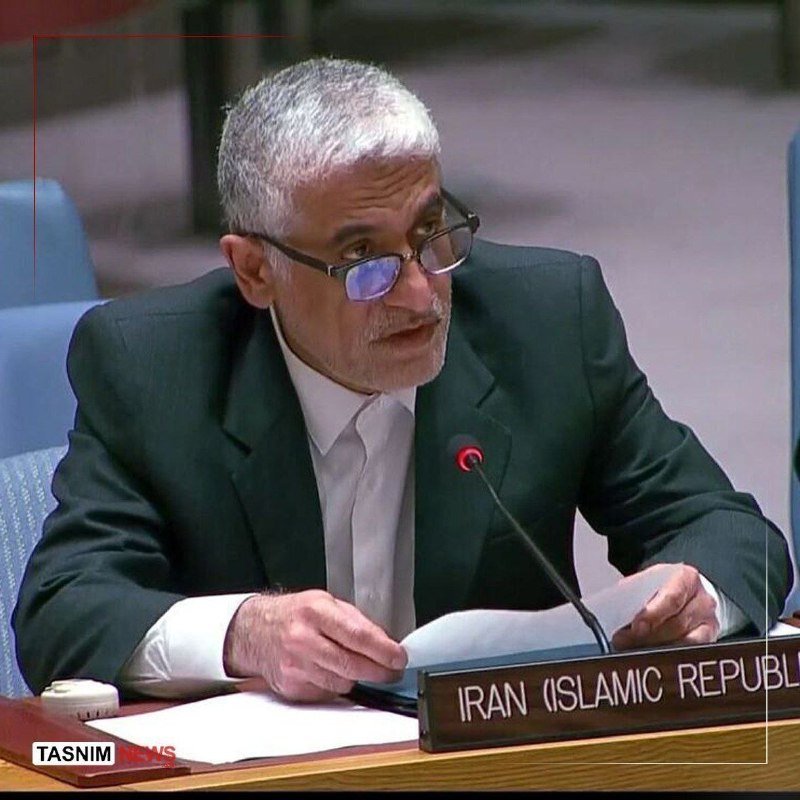
At 22:15 UTC on 16 July 2026, Iranian state-aligned outlets began moving a single piece of breaking news: two explosions in the Kura district of Erbil, followed within minutes by electricity cuts across most of the Iraqi Kurdish capital. Farsna, the Telegram channel of Iran's Fars News Agency, posted the first alert at 22:15 UTC. Tasnim Plus, the messaging presence of Tasnim News Agency, followed at 22:20 UTC. Al-Alam, the Arabic-language outlet run by Iranian state broadcasting, carried an identical line at 22:53 UTC. By the time the third outlet posted, three Iranian state-linked channels were running the same report word-for-word, citing only "Iraqi sources."
The pattern of who carried the story, and how quickly, matters as much as the incident itself. Erbil has been a recurring flashpoint since the war in Gaza widened the Middle East's front lines in late 2023, with periodic strikes attributed to Iran-aligned militias and, less frequently, to Iran itself. Each previous incident produced a near-identical information cascade: Tehran-friendly outlets report first and fast, Iraqi Kurdish and Western wires arrive hours later with corroboration, and the origin of the strike is contested for days. Tonight's sequence fits that template at the broadcast layer, even though the physical facts on the ground remain thin.
The first twenty minutes
Farsna's opening alert read: "Iraqi sources: Moments ago, 2 explosions were heard in the 'Kura' area of Erbil, Iraq," followed immediately by a second line noting that "electricity has been cut in most areas of Erbil." The pairing of blast and blackout is consistent with strikes on energy infrastructure, a recurring feature of attacks previously claimed by, or attributed to, Iran-aligned Iraqi militias such as Kataib Hezbollah and Asaib Ahl al-Haq. Tasnim Plus republished the same two sentences within five minutes, and Al-Alam followed roughly half an hour later. None of the three outlets named a perpetrator, claimed responsibility on behalf of any group, or identified a specific target inside Kura, a mixed commercial and residential district on Erbil's outskirts.
The early sourcing is uniform but unattributable. "Iraqi sources" is the only attribution the three channels offer. By 22:53 UTC, no Iraqi federal authority, no Kurdistan Regional Government spokesperson, and no Western wire had publicly confirmed the blasts. That asymmetry is itself the story: the initial framing of an incident inside Iraq's most stable region is being set, in real time, by outlets whose editorial line tracks Tehran's.
Why Iranian state media moves first
The explanation is operational, not conspiratorial. Iranian state-linked outlets have permanent desks and stringers in Iraqi Kurdistan built up over two decades of close security, political, and economic ties between Tehran and both the federal government in Baghdad and the major Kurdish parties. When something blows up in Erbil, the Tehran-aligned information layer registers it before the apparatus in Baghdad or even in Erbil itself gets a press release out. Western wires, by contrast, work through Iraqi Interior Ministry and KRG channels, which are slower and more cautious about attribution.
The result is an information vacuum in the first hour that Iranian outlets fill by default. That vacuum is large enough to set the early framing of the incident across Arabic-language social media, where Farsna, Tasnim, and Al-Alam screenshots travel faster than Reuters or AFP copy. By the time Western-confirmed reporting arrives, the dominant frame is already in circulation.
What is not in the sources
Three points are worth flagging because they are conspicuously absent from the reporting carried by the three Iranian outlets. First, no casualty figures have been published; the initial lines mention only sound and a power outage, not injuries or damage. Second, no Iraqi or Kurdish official has been named as confirming the events, and the term "Iraqi sources" is not specific to any institution. Third, no cause has been advanced: not a drone strike, not a rocket, not a ground attack, not a sabotage operation. The first hour of reporting on this incident is therefore a thin reed: two explosions, a blackout, and a single, anonymous Iraqi attribution chain routed through Tehran-aligned media.
Readers should also note what the framing does. Farsna and Tasnim are both banned or restricted in several Western jurisdictions as Iranian state entities; their use of "Iraqi sources" without naming them gives the reports the surface texture of independent Iraqi reporting while routing them through an editorial line that has historically run stories sympathetic to Iran-aligned Iraqi militias and skeptical of U.S. and Israeli operations in Kurdistan. Al-Alam is the Arabic arm of the same information ecosystem. None of this means the underlying reports are false; it means they should be read with the editorial line visible.
Where this fits
Erbil has hosted foreign military presence continuously since 2003, including U.S., Turkish, and coalition facilities, and has been struck before. An October 2023 rocket attack was claimed by an Iran-aligned militia; a January 2024 drone strike was attributed by Iraqi officials to Iranian-backed groups; further incidents followed in 2024 and 2025. Each time, the early framing of who did it passed through Iranian state media in much the way tonight's reports have. The pattern is repetitive enough to be structural: when an incident in Erbil goes unreported for hours by Iraqi federal channels, Iranian outlets become the de facto first draft of history, and that first draft tends to emphasise Iraqi sources while omitting Iranian responsibility.
The stakes are local as well as regional. The Kurdistan Region depends on foreign investment and a reputation for stability that distinguishes it from the rest of Iraq. Each unexplained blast erodes that premium, regardless of who is responsible. For Tehran, the strategic value of Erbil as a pressure point on U.S. and Turkish posture is well established, and so is the value of controlling the narrative around any strike.
The factual core of tonight's incident is small: two explosions, a city-wide blackout, no confirmed casualties, and no claim of responsibility. The information architecture around it is large, and it is the part that will shape what readers across the region believe happened before dawn in Kurdistan.
Desk note: Monexus is leaning on the three Iranian state-aligned Telegram channels for the first-hour reporting because they were the only outlets carrying the story at 22:15 to 22:53 UTC on 16 July 2026, and we have flagged their editorial line rather than treating them as neutral wires. We will update the article as Iraqi federal, KRG, and Western-wire reporting arrives.
Wire provenance
This editorial synthesis draws on the following public wire/social posts:
- https://t.me/farsna
- https://t.me/tasnimplus
- https://t.me/alalamfa