Boyle returns to Venice with "Ink," a Fleet Street Origin Story
Danny Boyle's "Ink," starring Jack O'Connell, Guy Pearce and Claire Foy, will open the 83rd Venice Film Festival on 2 September 2026, a return to the Lido for the director of "Slumdog Millionaire."
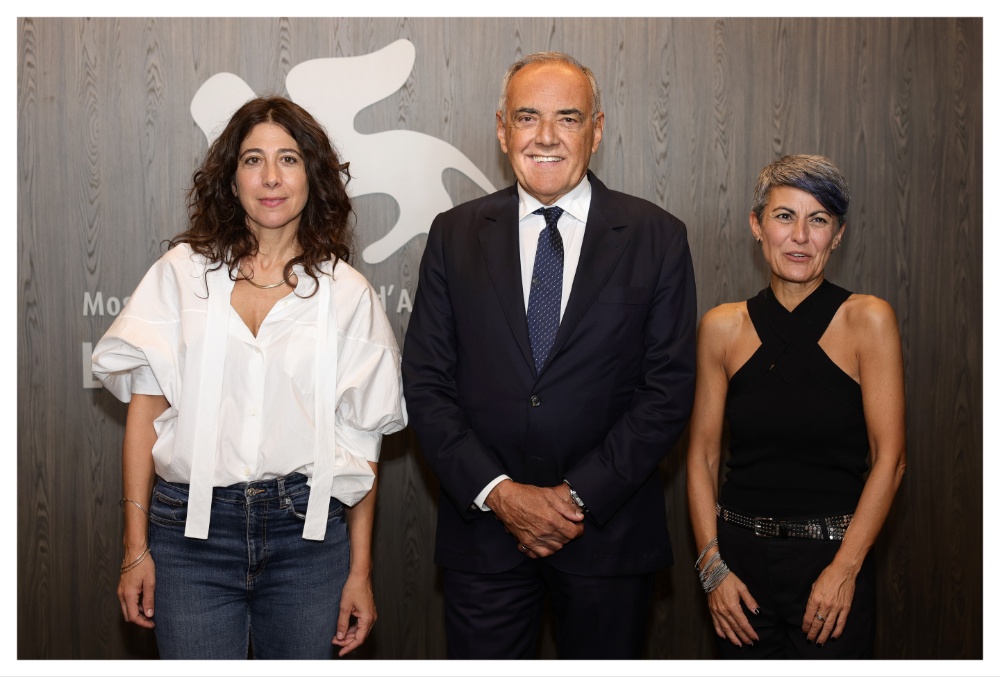
Danny Boyle will open the 83rd Venice International Film Festival on 2 September 2026 with Ink, a feature centred on the launch of a British tabloid in 1969. Variety reported the selection on 16 July 2026, confirming Jack O'Connell, Guy Pearce and Claire Foy as the film's leads. The festival runs through 12 September on the Lido.
The booking matters less for what it says about Boyle than for what it says about where the European festival circuit is steering prestige cinema at the halfway mark of the decade. Venice is reaching, again, for a true-story newsroom drama built around recognisable faces and a recognisable institution. Ink is exactly the kind of mid-budget, adult-skewing, ensemble-driven picture that tends to travel well into the autumn awards corridor, and the festival's programmers have signalled, by placing it on night one, that they intend this year's competition to read as a referendum on power rather than a survey of style.
What the film is, and what it isn't
The source item is a single filing: Variety's notice that Ink will open the festival, with three named stars and a director whose prior Venice appearances include Slumdog Millionaire in 2008 and Yesterday in 2019. The Variety dispatch does not specify the role each actor plays, the writer credited, the production companies behind the project, or a release window beyond the festival premiere. Anything beyond those confirmed facts is inference on Monexus's part, and should be read as such.
What is confirmed: a Boyle feature, a Venice opening slot, a cast of three performers with substantial individual track records, and a title that, in the context of a Fleet Street origin story, points toward the launch of a print title rather than a digital one. The 1969 setting is the most consequential single fact in the brief. It places the film's drama at the precise moment British tabloid journalism reorganised itself around a new kind of proprietor: younger, more aggressive, more attuned to television, and prepared to treat a newspaper as an entertainment product rather than a record of proceedings.
A festival choosing its politics
Venice's openers in recent years have skewed toward pictures with a clear authorial signature and an accessible hook: The Laundromat in 2019, L'événement in 2021, The Whale in 2022, Comandante in 2023, Beetlejuice Beetlejuice in 2024, and La Grazia in 2025. The selection committee, under festival director Alberto Barbera, has used the slot to broadcast a theme before the first competition press conference. Ink extends that pattern: a director with international name recognition, a period setting, and a subject (the modern press) that maps cleanly onto present-day anxieties about media ownership and political alignment.
This is also a festival that has, in the same window, hosted premieres for Poor Things, The Favourite, Nomadland, All the Beauty and the Bloodshed, and The Room Next Door. Its taste runs to pictures willing to be abrasive about power. A 1969 newsroom drama, with the British tabloid press as its central institution, fits that brief without effort.
The structural read
There is a longer pattern here, and it concerns where prestige cinema sources its antagonists. Across the past decade, the festival circuit has tilted steadily toward stories that treat concentrated media ownership as a first-order political fact rather than a backdrop. Ink sits inside that run. So does much of the press-room drama that has reached Venice in recent seasons: pictures about editors, proprietors, and the small number of decisions that change a country's public conversation.
The structural point, stated plainly: a film opening a major European festival about the launch of a tabloid in the year of a general election is not a neutral choice. It is a programme note about the present, dressed in period costume. Boyle is a director with a record of making that kind of gesture legible to a mass audience, and Venice knows it.
What to watch before September
Three things will matter in the eight weeks between the announcement and the Lido premiere. First, whether the film's distributor confirms a theatrical release window at or near the festival, which would tell readers how seriously the producers expect the picture to perform in the autumn corridor. Second, whether the official selection announcement, expected in late August, names Ink as a competition title or as an out-of-competition opening; that distinction will signal how the festival intends to deploy the picture in its awards messaging. Third, whether further casting and creative detail emerges in trade press between now and September; the Variety dispatch is a single paragraph, and the project is, by the standards of a Boyle feature, under-disclosed.
What remains genuinely uncertain is the picture itself. The source item confirms the director, three leads, the title, and the opening slot. It does not confirm the writer, the producing partners, the budget range, or the specific real-world figures who will be portrayed on screen. Ink arrives in September as a confident gesture from a festival that wants its 83rd edition to read as a statement about media power. The film still has until then to tell us how sharp the statement intends to be.
Desk note: Monexus is working from a single Variety dispatch dated 16 July 2026; further reporting on the project, the production, and the festival's full programme will follow as those details are confirmed by trade press.