CENTCOM says Iran strikes are done; prediction markets aren't buying a deal
CENTCOM announced on 16 July 2026 that a fresh wave of strikes on Iran had wrapped up; hours earlier, prediction markets priced US-Iran talks this month at under a fifth.
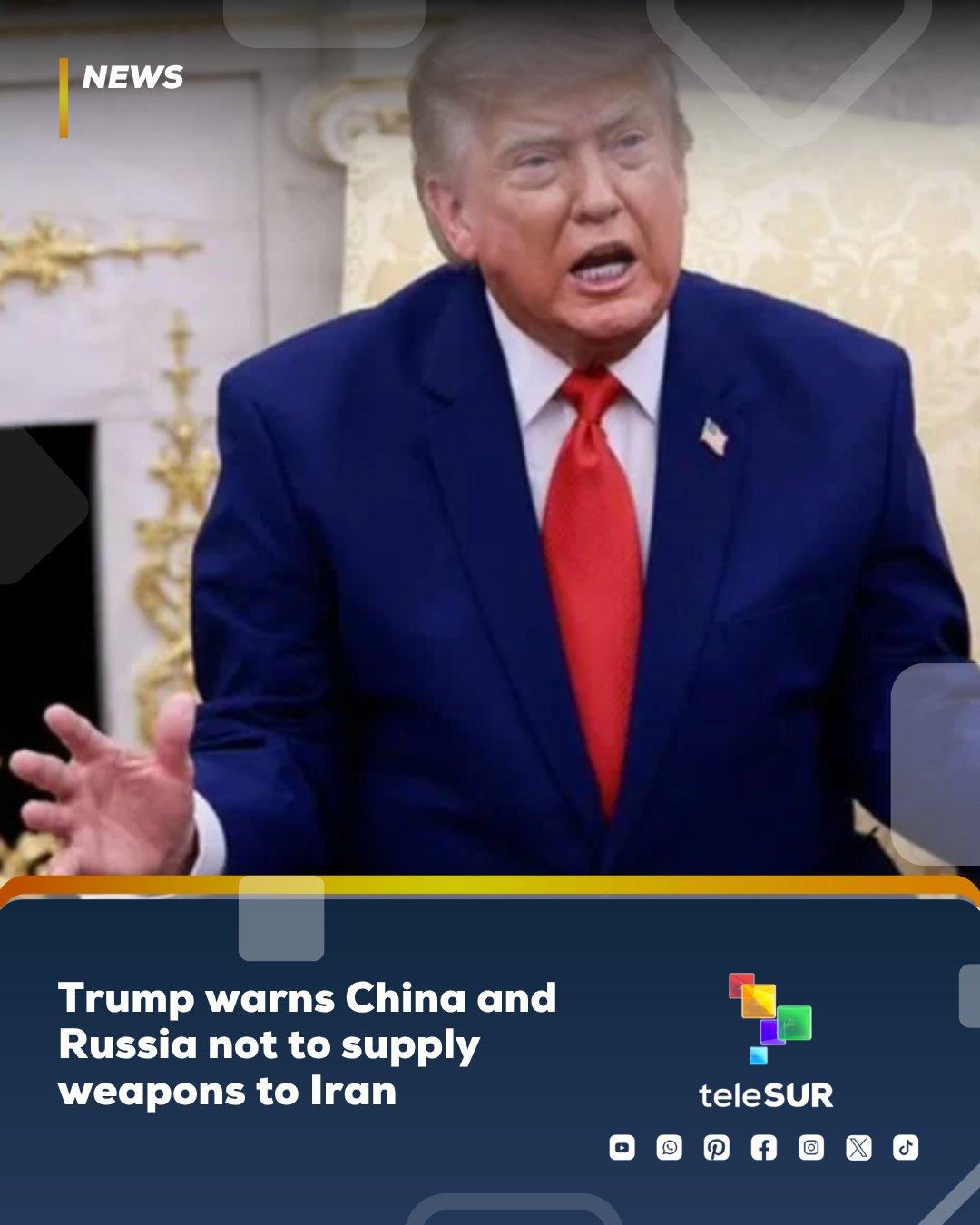
US Central Command told the public on 16 July 2026 that it had completed a new wave of strikes on Iran, an operational claim Iranian state-aligned outlets carried within minutes. The announcement, relayed by Press TV at 01:25 UTC and separately confirmed in a post by market-news account Unusual Whales at 14:19 UTC on the previous day, lands at a moment when prediction markets give the diplomatic off-ramp remarkably thin odds.
The pattern is not subtle. A Polymarket contract tracked by the platform's own feed priced the chance of US-Iran peace talks by the end of July at 17% at 14:39 UTC on 15 July, then ticked up to 20% by 15:59 UTC the same day. A roughly one-in-five probability, moving three points in eighty minutes, is not the price action of a market that believes the bombs and the bargaining table can coexist on the same calendar.
What CENTCOM said, and where the claim originated
The strike wave was first surfaced in English-language coverage via Unusual Whales, a markets-information account that reported at 14:19 UTC on 15 July that "US CENTCOM says it has struck Iran multiple times." The framing carried no operational detail: no targets, no weapon systems, no casualty figures, no battle-damage assessment. Press TV, the Iranian state broadcaster, then amplified the development at 01:25 UTC on 16 July, declaring that CENTCOM had "announced completion" of the new wave. Two different sources, one American-adjacent markets account and one Iranian state media, both pointing at the same official US military handle. That convergence is the basis on which the strike claim currently rests in the public record.
The thinness of that record matters. Iranian state media has an obvious interest in confirming US strikes it can present as evidence of aggression; market-news accounts that surface via social platforms are useful early indicators but not first-source reporting. The CENTCOM statement itself, presumably the originating document, has not yet appeared in the materials available to this publication. Until a fuller operational read-out is published, "a new wave of strikes" should be read as a stated claim by both parties, not as an independently verified battle picture.
What the prediction market is pricing
Polymarket's two contracts, surfaced via the platform's own social account on 15 July, frame the diplomatic question sharply. The first, posted at 14:39 UTC, gave the United States and Iran a 17% chance of holding peace talks by the end of the month. The second, posted at 15:59 UTC, raised that to 20%. The implied move is small but the level is the story: even after the strike completion was announced, the market did not move to dismiss the possibility of talks altogether, and it did not move to embrace it either.
A 20% probability is the kind of number traders attach to outcomes that are possible in form but unlikely on the present trajectory. It is not zero, because presidents and foreign ministers retain the capacity to convene conversations under cover of escalating rhetoric. It is not higher, because the operational reality described by both CENTCOM and Iranian state media is one of active bombardment, not of de-escalation. The market is, in effect, refusing to choose between the two narratives, and pricing the stalemate itself.
The framing problem on both sides
Western wire reporting has, over the past several months, framed any US-Iran military action as either a calibrated pressure move or a containment necessity; the diplomatic track, when it surfaces, is described in the conditional tense. Iranian state media, by contrast, frames the same events as unambiguous aggression that requires a sovereign response, and presents any negotiation as a surrender-via-delays tactic.
Both framings are partial. The prediction market's stubborn refusal to break decisively toward either war-without-end or talks-imminent is itself a kind of editorial judgment, made by participants with money on the line. It implies that the relevant actors, on both sides, are signalling enough through the noise to keep a small but real probability on a negotiated outcome, while the operational tempo continues to rise. That is a messier picture than either the Washington read-out or the Tehran read-out tends to allow.
What to watch next
Three indicators will tell us which way the stalemate resolves. First, a fuller CENTCOM operational statement, ideally with target descriptions and weapon-system identifiers, would shift the claim from "announced strikes" to "documented strikes." Second, any movement in the Polymarket contract by more than a handful of points in either direction would be informative; a move from 20% toward 35% would imply that traders have seen new information suggesting diplomatic movement, while a move toward single digits would imply that the diplomatic track has effectively been ruled out for July. Third, any official Iranian statement, beyond Press TV's amplification of the US claim, would either ratify or contest the battlefield picture.
The asymmetry between the kinetic tempo and the diplomatic probability is the story this publication will be tracking through the rest of the month. A market that prices war at four-to-one against talks, against a backdrop of officially announced strikes, is a market that has not yet decided what the next month looks like. Neither has Washington, and neither, on the evidence available, has Tehran.
Monexus frames Iran-US reporting from the wire plus primary social and prediction-market sources rather than from any single outlet; for this story, the public-record confidence rests on a US-allied markets account and Iranian state media carrying the same CENTCOM claim, which is why the strike language is hedged above and the Polymarket print is treated as a signal rather than a verdict.
Wire provenance
This editorial synthesis draws on the following public wire/social posts:
- https://t.me/presstv