US strikes Iranian port traffic control as Chabahar is hit for the second time
A maritime traffic control center in Chabahar was struck twice on 15 July, while satellite imagery shows damage to US aircraft facilities at Qatar's Al Udeid base.
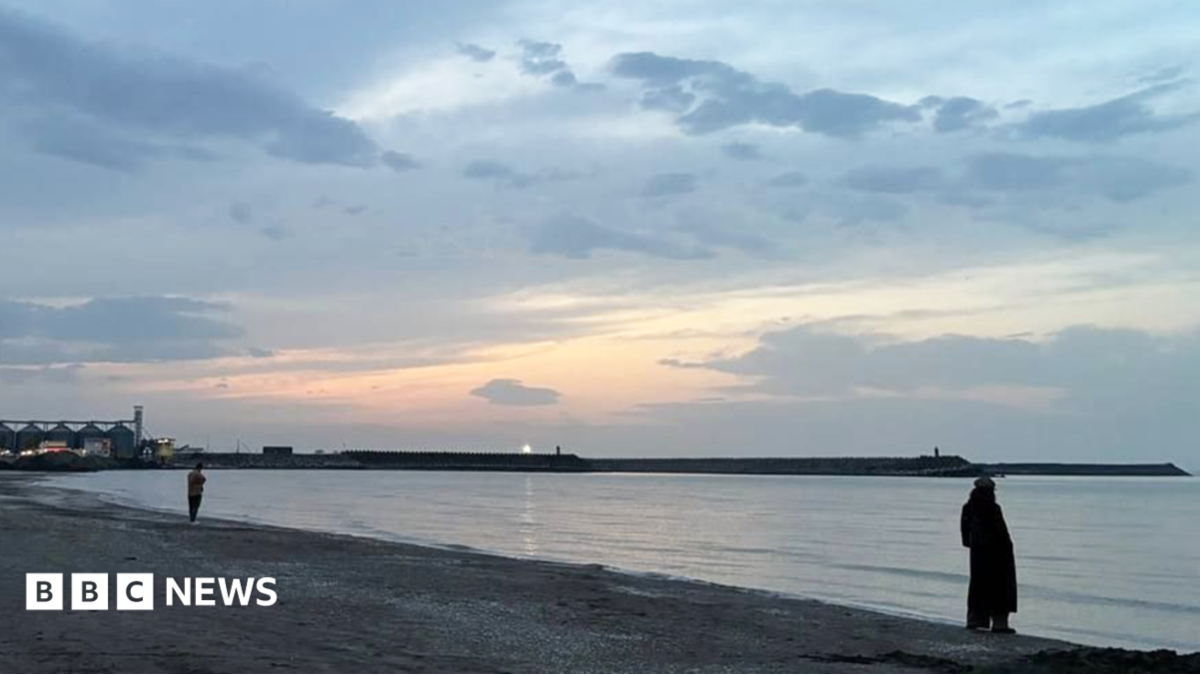
At 08:57 UTC on 15 July 2026, the Beirut-based outlet The Cradle Media posted video to its Telegram channel reporting that a maritime traffic control center in the southern Iranian port city of Chabahar had been targeted by the United States earlier in the day. Within minutes a second update followed: the same installation had been struck again, with the post carried as a fresh video item on the same channel.
The dual strikes on a single coastal facility mark an escalation in what is already an active US-Iran exchange. The picture is partial: the source material is two short posts from one Iran-aligned outlet and a single satellite-imagery thread. What can be said with confidence is narrower than the headlines the footage is likely to generate. The Cradle is the primary on-the-record messenger for this particular sequence of events, and its framing should be read alongside the corroborating image evidence from an independent account of damage at Al Udeid, the forward headquarters of US Central Command's air operations in Qatar.
What is being struck, and where
Chabahar sits on Iran's southeastern coast, on the Gulf of Oman, roughly 600 kilometres east of the Strait of Hormuz. The port has been developed in recent years as a regional hub under an Indian-Iranian bilateral arrangement that deliberately routes around Pakistani territory. Its maritime traffic control center is the operational nerve for vessel movements in and out of the harbour, including the commercial tonnage that traverses one of the more constrained chokepoints in global shipping.
Striking that facility twice on the same day, as The Cradle reports, is a different proposition from striking a military radar or a missile site. It is an interruption of the civilian-governance layer of the sea lane. The post does not specify the weapon system used, the extent of damage, or whether Iranian personnel were present at the time. Those gaps will matter when more authoritative reporting emerges.
The other side of the exchange
At 08:16 UTC, roughly forty minutes before The Cradle's first Chabahar post, the X account Sprinter Press published before-and-after satellite imagery of an aircraft maintenance facility at Al Udeid air base in Qatar. Al Udeid houses the forward headquarters of US Air Force Central Command and has hosted major US air assets during previous Iran-related escalations. The maintenance facility, where American military aircraft are serviced, shows visible change between the two satellite passes.
Read together, the two threads describe a reciprocal operation: an Iranian strike on US military infrastructure in Qatar, and a US strike on Iranian port infrastructure on the Gulf of Oman. The Cradle's framing puts the United States in the role of aggressor; the satellite imagery from Sprinter Press documents that Iran has, in this sequence, struck first or at least earlier, and on the territory of a Gulf state that hosts US forces but is not itself a party to the dispute.
That asymmetry is the structural fact. A strike on a Qatari base drags a third country into the operational picture, even if Doha's role is hosting rather than participating. A strike on a civilian traffic control center in Iran degrades the operating environment for commercial shipping in a corridor that already carries a meaningful share of the world's oil exports.
The framing contest
Iran-aligned and US-aligned outlets are not going to narrate this exchange the same way. The Cradle, which is identified in its own masthead as an independent outlet focused on West Asia, has chosen to lead with the US strike on Iranian soil. Mainstream wire reporting will, when it lands, most likely lead with the Iranian strike on Al Udeid and the implications for regional partners. Both framings are real. Neither is complete.
The pattern repeats. The louder voice in any given feed tends to be the one whose strikes are most recent. The quieter structural question is the one Monexus finds worth surfacing: the escalation ladder now includes dual strikes on infrastructure that is, on each side, partly civilian and partly military, on the territory of states that are not principal combatants.
What is not yet known
Three things the available sources do not establish, and which this publication will not speculate about: the casualty count, if any, at either site; the precise weapon used in either strike; and the official confirmation trail from the US Department of Defense, the Iranian Armed Forces General Staff, or the Qatari Ministry of Foreign Affairs. The Cradle's posts are not corroborated by a wire service in the thread material; the Sprinter imagery is not annotated with a date for the satellite pass. Treat the sequence as reported, not as adjudicated.
Two dates to watch in the days ahead. The first is the first official readout from Doha, which will determine whether Qatar characterises the Al Udeid strike as a violation of its sovereignty. The second is any Iranian readout that goes beyond what The Cradle has published, in particular on whether Tehran frames the Chabahar strikes as an attack on national maritime sovereignty, and whether the Indian operators with interests in Chabahar port are drawn into the public framing.
Desk note: Monexus is leading on the reciprocal structure of the exchange rather than on a single frame, because both The Cradle's reporting on Chabahar and the satellite imagery of Al Udeid appear in the same source window and together support that reading. We have avoided treating either outlet's framing as definitive.
Wire provenance
This editorial synthesis draws on the following public wire/social posts:
- https://t.me/thecradlemedia
- https://t.me/thecradlemedia