US missiles hit near Ahvaz children's cancer hospital, Iranian outlets report
Two Iranian-linked Telegram channels reported on 15 July 2026 that US missiles landed close to a children's cancer hospital in Ahvaz; the claim has not yet been independently corroborated by Western wires.
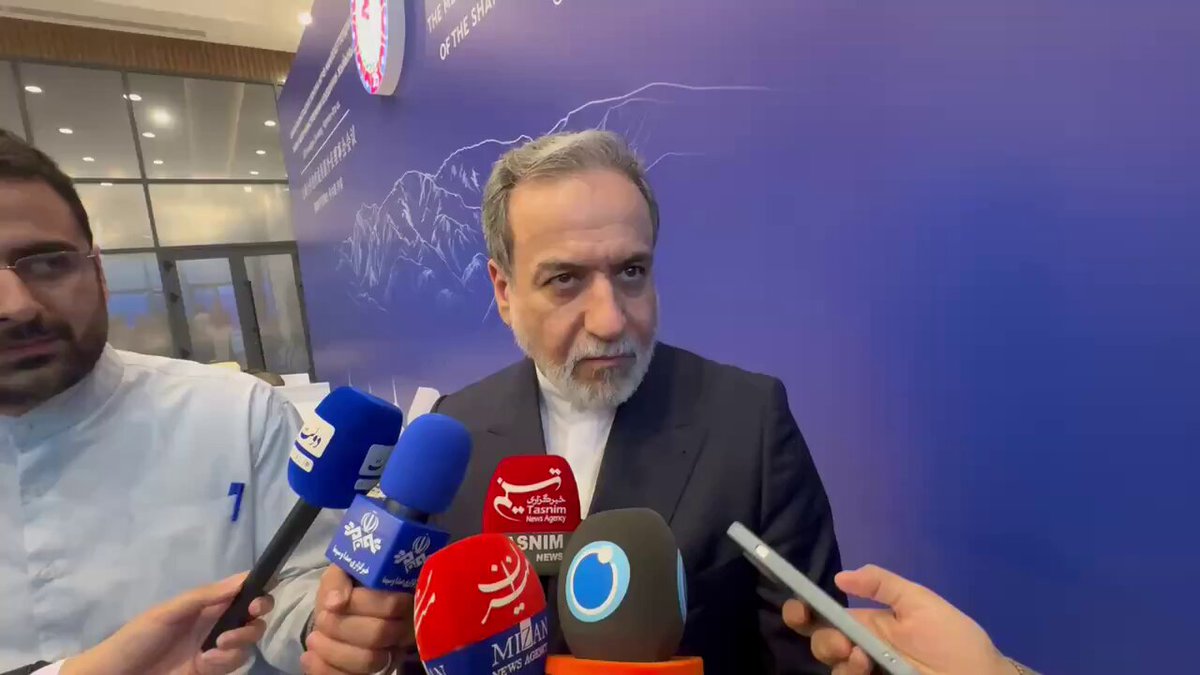
At 20:39 UTC on 15 July 2026, the Telegram channel wfwitness posted what it described as initial reports of renewed explosions in Ahwaz, the capital of Iran's oil-producing Khuzestan province. Twenty-seven minutes later, at 21:06 UTC, the same channel carried a Fars News Agency summary saying US missiles had struck near a children's cancer hospital in Ahvaz, with several rounds landing close to Baghaei Hospital, where chemotherapy is administered to cancer patients. A third post at 21:27 UTC, relayed by the channel FotrosResistancee, repeated the same claim and added that the hospital was being evacuated.
Taken together, the three messages amount to a single, consistent Iranian-aligned account of an American strike in the vicinity of a paediatric oncology facility on the second day of what appears to be an expanded US bombing campaign inside Iran. None of the three reports has been independently confirmed by a Western wire service, the US Central Command, or the International Committee of the Red Cross at the time of writing. The sourcing is also narrow: Fars is an Iranian state-adjacent outlet whose wartime reporting favours Tehran's framing, and wfwitness and FotrosResistancee are Telegram channels that openly identify with the Iranian side of the conflict.
What the Iranian-aligned reports say
The account circulated on Telegram is unusually specific for wartime social-media traffic. It names a single building, Baghaei Hospital in Ahvaz, and a single function: chemotherapy for cancer patients, including children. It locates the impact "near" rather than "on" the hospital, a distinction that matters for both verification and for any subsequent legal characterisation of the strike. The first wfwitness post, at 20:39 UTC, used the more cautious language of "initial reports of renewed explosions" before the hospital claim appeared at 21:06 UTC. That sequencing is consistent with a strike first heard, then attributed.
Khuzestan is not a random target. The province borders Iraq and the Persian Gulf, sits on top of roughly 80 per cent of Iran's onshore hydrocarbon reserves, and contains the Abadan refinery complex and the capital Ahvaz, a city of more than a million people. Strikes on Ahvaz itself, rather than on the dispersed oil and gas infrastructure around it, mark a different kind of campaign: one that puts Iranian civilians, including patients in hospitals, inside the targeting picture.
What the Iranian account does not address
Iranian outlets framing a strike on a children's hospital as American aggression is the expected line from state-adjacent media during an active bombing campaign. The framing leaves out several things a reader needs. It does not specify how many missiles were fired, what platform launched them, whether the rounds actually struck the hospital compound or landed in an adjacent street or car park, or whether any casualties occurred. It does not name a US military unit, cite a US statement, or quote a Pentagon briefing. The claim that US missiles hit "near" the hospital is, on the evidence available, an assertion from one side of a war, repeated by a sympathetic channel.
A second reading is also possible. Iran has, in previous rounds of US-Israeli strikes, pointed to medical and civilian sites as a way of shaping the diplomatic optics of a campaign. The 2024 Iranian strikes on Israeli hospitals, and the long history of both sides accusing the other of using civilian infrastructure for military purposes, mean that a hospital-adjacent strike report from Iranian state-aligned sources should be treated as a starting hypothesis, not a finding.
Why verification is hard right now
Independent reporting from inside Khuzestan is effectively cut off while active US operations continue. The ICRC and the World Health Organization have, in previous Iran campaigns, taken days to confirm or refute damage to specific medical facilities, and their public statements in wartime are typically phrased to satisfy both belligerents. Western wire services, Reuters, AP, AFP, the BBC, have so far not published from the site, and Iran's Foreign Ministry, the natural Iranian source for an official denial or confirmation, has not yet been quoted in the Telegram traffic reviewed here. US Central Command's public posture on the wider campaign, including any ongoing strikes in the Ahvaz area, is the next data point to watch.
The structural context is the larger American campaign against Iranian infrastructure that has been underway since at least the strikes on Iranian oil depots in late June 2026. Ahvaz sits at the intersection of Iran's energy economy and its civilian population, and a strike near a children's cancer hospital, if confirmed, would mark a sharp escalation in the civilian footprint of that campaign. It would also harden the Iranian framing that the United States is conducting a war against Iranian civilians rather than against Iranian military and industrial capacity, a framing Tehran has spent years preparing in case of exactly this kind of operation.
What is at stake
If the Fars account holds up under independent scrutiny, the immediate stakes are humanitarian: chemotherapy patients, many of them children, are a population with no battlefield relevance, and a strike near an active oncology ward would carry a near-certain political cost for Washington in the Gulf, in Europe, and at the United Nations. If the account does not hold up, the incident still matters as a case study in how wartime information flows: Iranian state-adjacent outlets move faster than any independent verifier, and the first version of any strike that reaches a global audience is, by default, the version put out by the country being struck. Either outcome leaves the larger campaign in a more combustible position than it was 24 hours earlier.
The next 48 hours will tell. Watch for a US Central Command statement, a WHO or ICRC site assessment, and any Iranian Foreign Ministry briefing. Until one of those lands, the Ahvaz hospital strike is an Iranian-aligned claim, repeated by sympathetic Telegram channels, and nothing more.
Desk note: Monexus treated the Ahvaz hospital report as an Iranian-aligned claim, not a confirmed strike. Western wires had not corroborated the specific building or the casualty-free wording at the time of writing; the Telegram threads from wfwitness and FotrosResistancee are the only provenance we have, and we have named them as such.
Wire provenance
This editorial synthesis draws on the following public wire/social posts:
- https://t.me/wfwitness
- https://t.me/FotrosResistancee
- https://en.wikipedia.org/wiki/Ahvaz
- https://en.wikipedia.org/wiki/Khuzestan_province