US drone boats hit an Iranian naval base as the two sides scramble toward a Geneva accord
Unmanned surface vessels struck an Iranian port for the first time on 14 July 2026, hours before US and Iranian envoys were due in Geneva for what both governments now call a peace accord.
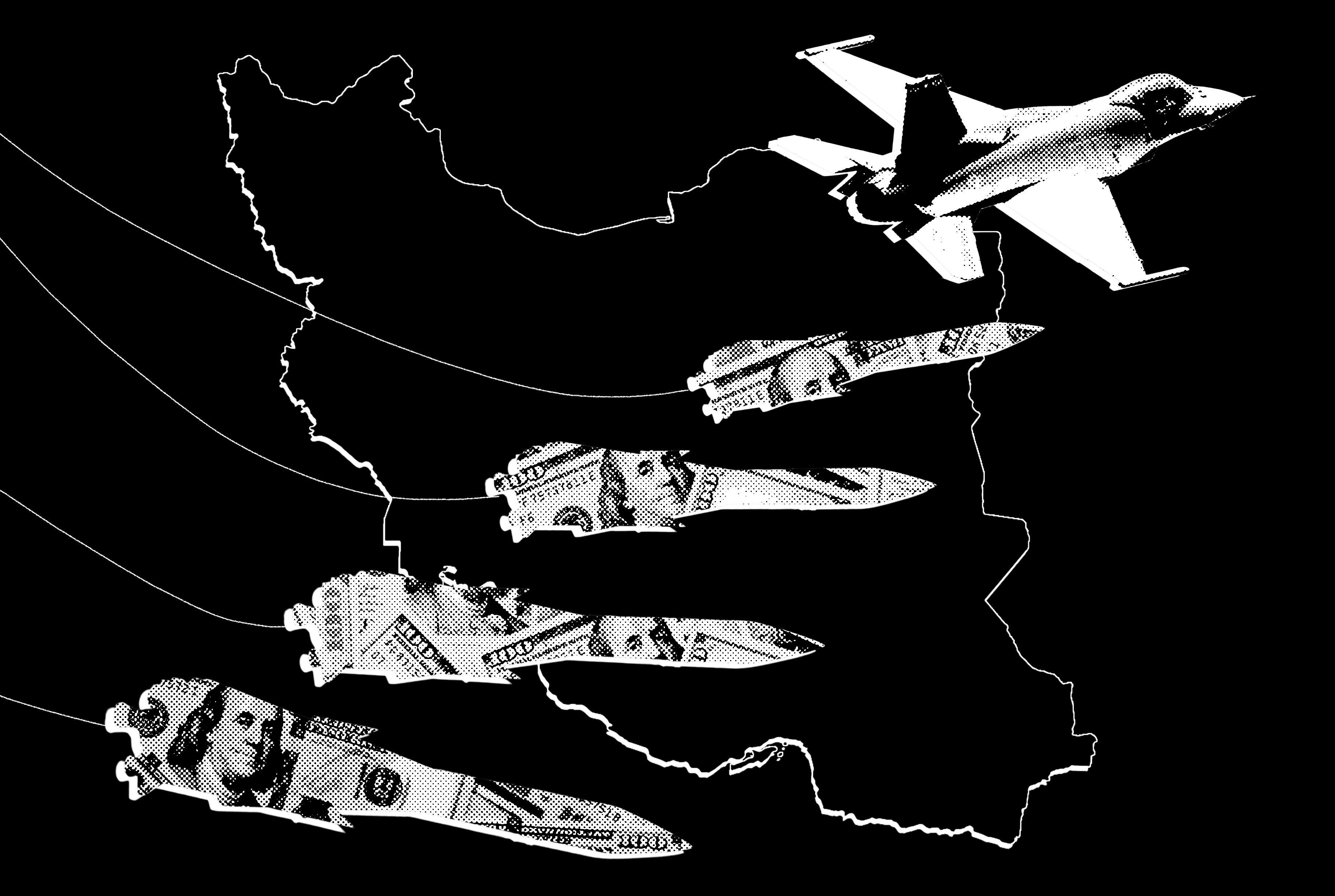
The US Navy used explosive unmanned surface vessels against an Iranian naval installation for the first time on 14 July 2026, according to reporting published that day by Ars Technica, hours before American and Iranian delegations were due in Geneva to sign what both governments have begun calling a peace accord. The strike, the first acknowledged combat use of the drone-boat class by US forces, marks a tactical milestone that has already moved through prediction markets and regional wire services, and it sets the political conditions for the Friday signing in ways that neither side is fully acknowledging in public.
What is unfolding is the now-familiar American pattern of simultaneous escalation and negotiation with Tehran: kinetic pressure inside the Gulf, a parallel track of diplomatic theatre in Europe, and a betting market that prices the regime's survival as a coin-flip. Each strand amplifies the others, and the volatility between them is itself the story.
A new weapon, deployed against an old target
Ars Technica reported on 14 July at 18:00 UTC that the US military's drone boats had struck an Iranian naval port as war heated up again, the first known combat employment of the class by US Central Command. The piece frames the strike inside a wider escalation arc running through the summer, and notes that the unmanned surface vessels are part of a broader US inventory of attritable systems that officers have publicly discussed for years but until now used only in exercises.
The targeting matters as much as the platform. Iranian naval bases on the Gulf coast have been the quiet backbone of the Islamic Revolutionary Guard Corps Navy's fast-boat and mining doctrine, and any successful hit on one is a doctrinal statement, not just a tactical outcome. It tells Tehran that the United States can put massed, low-cost explosive craft into the narrow waters where its naval auxiliaries operate, without risking a manned platform in the first wave.
For Iran's commanders the operational lesson is uncomfortable. Drone boats are cheap, swarming-capable, and hard to distinguish on radar from civilian small craft until they are already inside the harbour. A navy built around fast-attack craft and coastal anti-ship missiles now has to defend fixed infrastructure against a threat optimised for exactly that geometry.
The Geneva track, and why both sides want it
Middle East Eye reported on 15 July at 09:44 UTC that a US-Iran peace accord signing is set for Friday in Geneva, citing an Iranian army base strike that, according to Iran's Tasnim news agency, killed at least seven people. The two strands ran on the same wire within minutes of each other: a kinetic strike by US forces, and a diplomatic commitment by both governments to put pen to paper in Switzerland two days later.
That sequencing is the whole game. Talks framed as a "peace accord" deliver each side something the other cannot easily walk back. Washington gets a paper commitment to constrain Iran's missile and proxy programmes, and a fig leaf for continuing the strikes that the Pentagon argues are necessary until the ink is dry. Tehran gets sanctions relief, a halt to the cycle of port and base hits, and a survivable narrative for a domestic audience that has watched infrastructure burn.
The catch is that each side also has an incentive to keep the kinetic track alive long enough to extract better terms at the table. Strikes the day before a signing are not an accident; they are a closing argument. The question for observers is whether the violence stops on signature, or merely pauses.
What the prediction market thinks
A Polymarket contract tracked on 14 July at 15:28 UTC gives a 23% probability that Iranian leadership changes again before the end of 2026. That is roughly a one-in-four implied chance of a regime transition, succession event, or top-level rupture inside the eight months remaining on the contract. It is the highest-conviction cross-check on the optimism of the Geneva frame: traders who risk real money are pricing meaningful political instability inside Iran even as diplomats prepare the signing ceremony.
That gap between the diplomatic script and the market price is the most useful single number in the file. Western officials describing the accord as a durable de-escalation are implicitly betting against the 23%. Iranian officials describing it as a strategic victory are implicitly conceding the same probability; they need the deal precisely because the alternative trajectories are bad.
What the wire is not saying
Both the Ars Technica report and the Middle East Eye live blog rely, on the casualty side, on Iranian state media. Tasnim's figure of "at least seven" killed at the army base is the only count in circulation, and there is no independent corroboration in the source set. That matters for two reasons: it sets the political weight Tehran puts on the strike in its own framing of the negotiations, and it sets the floor that any later revision will be measured against.
The reporting also does not name the specific Iranian installation that was hit, the type of drone boat used, or the operational command that ordered the strike. That is normal for a still-active operation, but it leaves open a question neither government is keen to answer publicly: whether the target was a naval port in the narrow military sense, or a wider army base on shared infrastructure. The Iranian framing, via Tasnim, leans on the second reading to keep the political cost of accepting the accord manageable at home. The American framing, via Ars Technica's sourcing, leans on the first to keep the doctrinal story of a new weapons class intact.
The structural frame
What is playing out is a familiar American script with a new weapons system bolted on. Washington raises the cost of the status quo with a kinetic move, opens a diplomatic track that promises to lower that cost if Tehran concedes on the missile and proxy files, and lets the gap between the two tracks do most of the negotiating. The drone-boat strike is the cost-raising move; Geneva is the cost-lowering offer. Each is calibrated against the other.
The asymmetry is real and cuts both ways. The United States can sustain attritable, unmanned losses in ways Iran cannot, and can absorb a degraded port more easily than Tehran can absorb a degraded navy. Iran, by contrast, can absorb political ambiguity inside its own system in ways a US administration facing an election cycle cannot. The accord, if it is signed, will be the moment where each side decides it has extracted what it can from the asymmetry and is ready to lock the rest in ink.
Stakes, and what to watch
Three things are worth watching over the next fortnight. First, whether the Geneva signing actually happens on Friday, or slips the way previous rounds have slipped; the diplomatic choreography so far suggests both sides want the photo opportunity, but neither wants the constraints that come with it. Second, whether the Polymarket probability on Iranian leadership change moves meaningfully; a sharp drop would imply the market believes the accord bites, a sharp rise that Tehran is signing under duress it cannot enforce. Third, whether US Central Command confirms, in its own language, that the drone boats struck a naval port specifically; the wording will determine whether this is read as a doctrine change or a one-off.
The harder, structural question is whether attritable US systems become the default opening move against Iranian coastal infrastructure the way cruise missiles were the default opening move twenty years ago. If they do, the Gulf balance of the next decade is being written in the next ten days.
Desk note: this article pairs a US-domestic tech-and-defense outlet's first reporting on the new weapon system with regional wire coverage that frames the same strike inside the Geneva track, then triangulates both against a public prediction market. The Iranian casualty figure, drawn from Tasnim via Middle East Eye, is the only count available and is flagged accordingly.