Spain into the World Cup final: a controlled 2-0 that says more about the European champions than the scoreline
Goals from Oyarzabal and Pedro Porro sent Spain past France in Dallas. The shape of the win, not just the scoreline, is what matters.
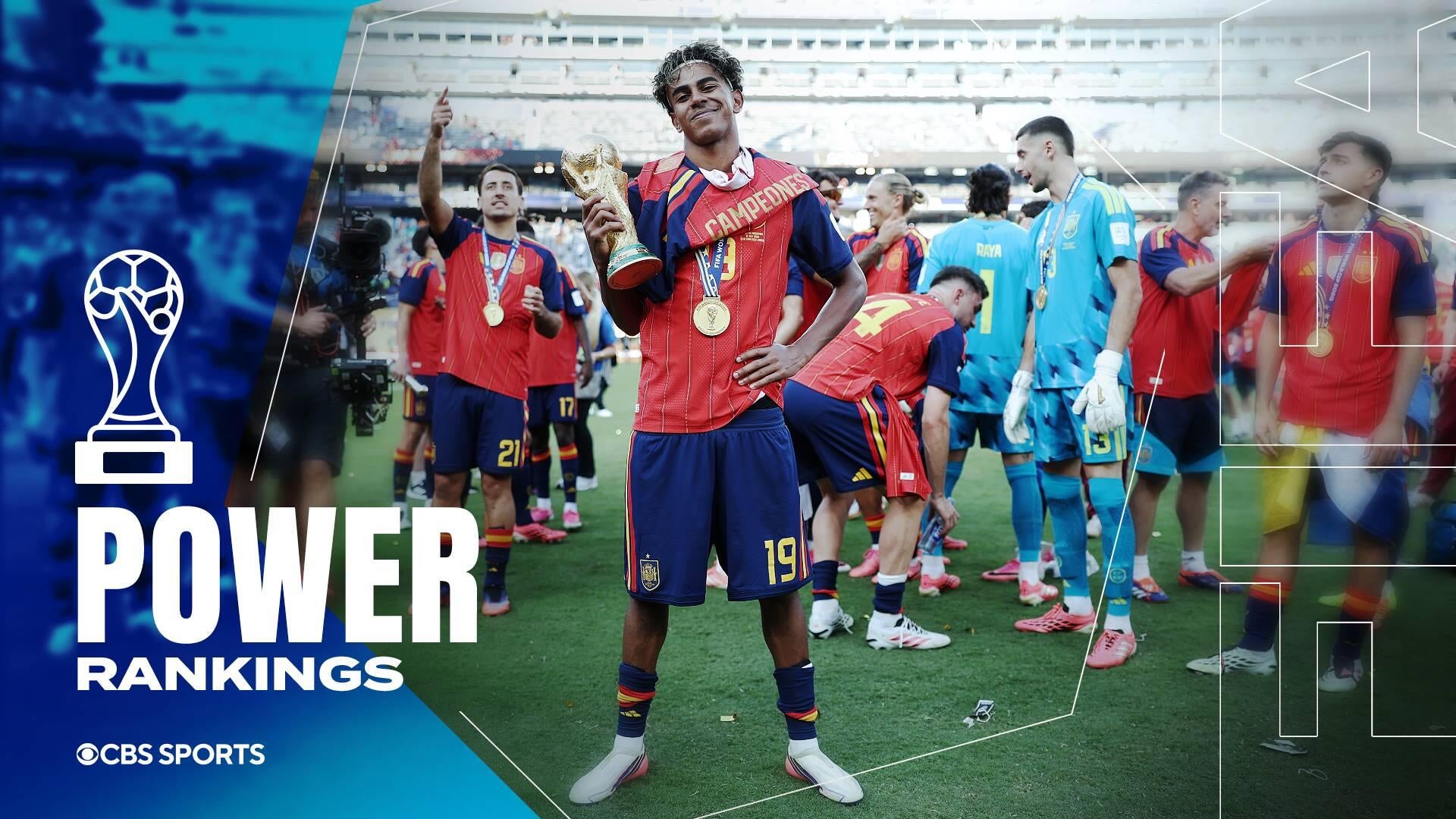
Goals from Mikel Oyarzabal and Pedro Porro settled a World Cup semi-final in Dallas on 15 July 2026, sending Spain past France by 2-0 and into the tournament's final. The scoreline understated the shape of the night. Spain did not merely defend a European champions' lead; they dictated tempo, picked their moments, and conceded almost nothing of consequence. France, the side that had bullied its way through the bracket, spent long stretches passing across the back line looking for an opening that never came.
The result is bigger than a single match. A Spain team that lifted the European Championship trophy on the strength of positional discipline and wide overloads has now shown that the model travels: the same spine, the same full-back rotations, the same refusal to chase the ball, transplanted to North American turf and to a knockout round that punishes any slip. The question for the final is no longer whether this Spain side can absorb pressure from elite opposition. The question is what changes when a finalist can absorb pressure and still play the way Spain did on Tuesday.
The match, in detail
The first goal came from the kind of move Spain has been rehearsing all tournament: a wide overload on the right, a cut-back into a central runner, and a finish that rewards the run rather than the pass. Oyarzabal, stationed where central strikers used to be, did the rest. The second arrived with the game already tilting: a set piece delivered with conviction, and Porro arriving into the box with the timing of a player who has been coached to anticipate exactly that kind of service. France, who had built their run on directness and individual moments, looked for the first time in the tournament like a side trying to solve a problem their manager had not prepared them for.
This publication's reading of the match, consistent with the wire summary from The Canary, is that the gap was less about talent than about method. Spain's press did not chase. It angled, it covered passing lanes, and it forced France into wide areas where the ball could be recycled rather than progressed. Les Bleus' expected goals will look thinner on the charts than the stadium felt. That is the point.
The counter-narrative worth holding
France's tournament is not a fraud because they lost this game. They arrived at the semi-final having absorbed pressure from sides that tried to match them physically and found, each time, that the match-up suited a team with Kylian Mbappé capable of finishing the one chance a game requires. Against Spain, the chance did not come, and France's plan B, the one that requires sustained territorial dominance, was never going to arrive against a midfield set up to deny exactly that. There is a counter-narrative in which France played within themselves, conserving legs for a final they expected to reach, and were caught by a Spain side that has, quietly, become the team to beat.
The reason that read does not fully hold: the body language in the second half. A side sitting on a plan does not press high with fifteen minutes left when one goal would have reopened the tie. France pressed because they needed to, and Spain's structure absorbed it without visible strain. The dominant framing of Spain as control-and-counter is not a flattering story for the neutral; it is a descriptive one.
What the bracket tells us
Look at how each side got here and the structural pattern sharpens. Spain's route has been a sequence of matches in which the opponent had more possession than was good for them, in which the final-third entries dried up after the hour mark, and in which the scoreline flattered the loser. France's route has been the opposite: tight margins, moments of individual brilliance, a defence that bent but did not always break. The bracket rewarded two different philosophies, and the semi-final asked the question that the bracket had been building toward. Which philosophy travels? Spain answered it.
There is also a generation note worth making. This Spain squad is not the one that won Euro 2024 in name only. The spine is the same, but the wide players have rotated, the press triggers have been refined, and the set-piece routines that used to be a Plan C are now a Plan A. That evolution is the difference between a side that wins a tournament and one that wins the next one too.
What to watch in the final
The final will test the limits of the Spanish method. Whichever side emerges from the other half of the bracket will arrive having watched hours of footage and reached one of two conclusions. Either Spain can be pressed into mistakes by a midfield that runs harder than theirs does, in which case the model has a ceiling; or Spain can be matched but not beaten at their own game, in which case the final becomes a question of which side converts the marginal chance. Both readings are plausible. The first requires physical sacrifice the calendar does not always permit at this stage of a tournament; the second requires a Spain error they have not yet committed.
The dates to circle are short. The final is days away, on American soil, in a stadium Spain have already navigated once this tournament. The kicker is not whether Spain will lift the trophy. It is whether the European model of positional play has produced something more durable than a generation of technically excellent losers: a side that wins by refusing to play the game the opposition wants.
This publication framed Spain's progression as a structural story about playing style rather than as a result-driven wire recap; the goal-scorers and final score are taken from The Canary's 15 July 2026 sports wire.
Wire provenance
This editorial synthesis draws on the following public wire/social posts:
- https://t.me/s/TheCanaryUK