An Atlanta Museum’s Seven-Year Trust Betrayal
A former High Museum of Art executive has admitted in federal court to siphoning more than $600,000 over nearly seven years. The plea exposes how thin the oversight remains inside cultural institutions that handle donations in the millions.
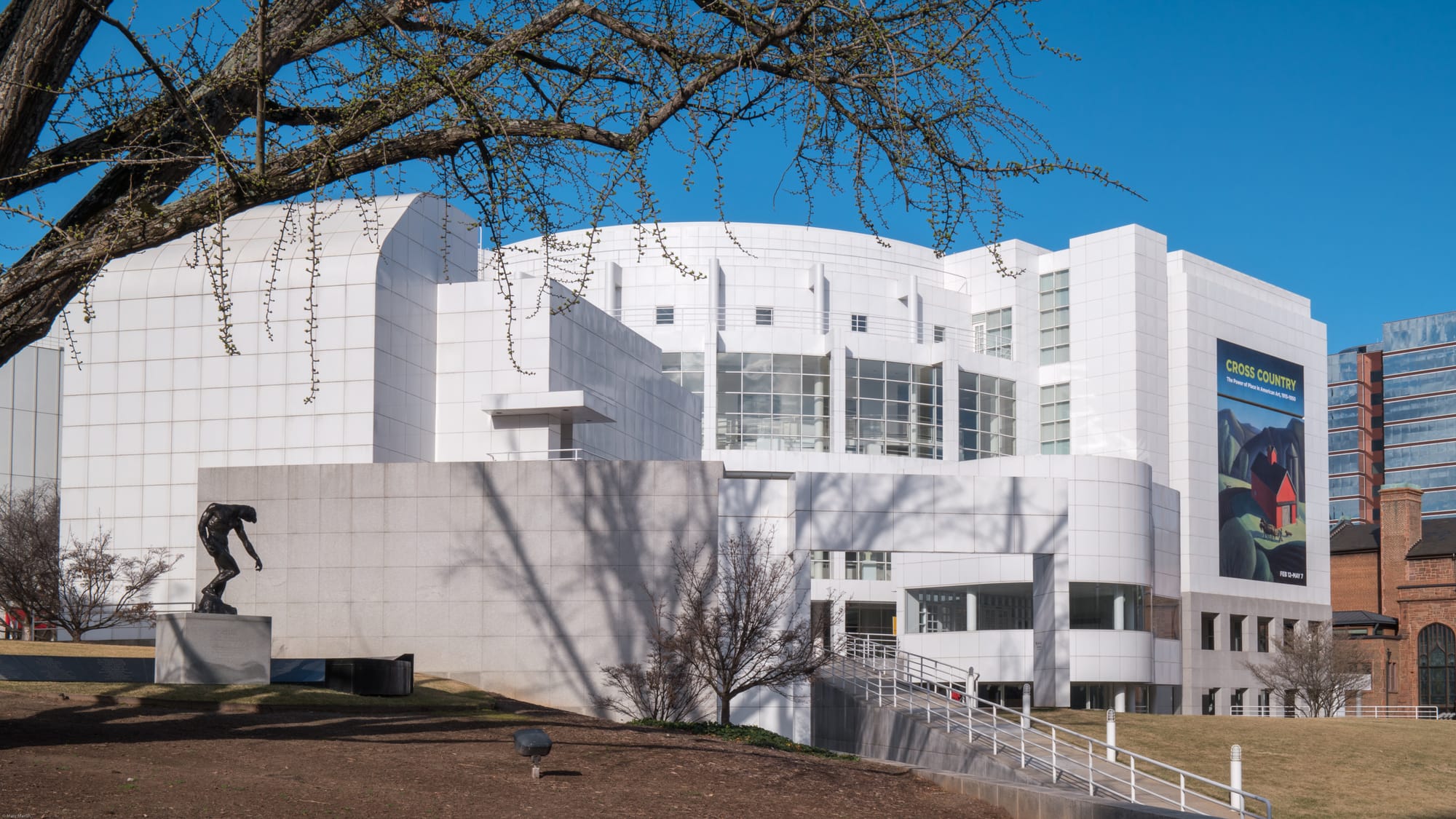
On 14 July 2026, Brady Lum, a former top finance executive at Atlanta's High Museum of Art, pleaded guilty in federal court to embezzling more than $600,000 from one of the Southeast's largest art institutions over a span of nearly seven years, according to court filings reported by Hyperallergic.
The plea is a small procedural event with an outsized question attached to it. When a non-profit museum depends on donor confidence to fund acquisitions, exhibitions, and education programmes, the integrity of its back office is part of the product. A bookkeeper who quietly rewires the books for years, in other words, is not stealing from a balance sheet alone; the institution is selling access to a public cultural inheritance, and the price of that access rises every time the back office is shown to be unguarded.
The man at the centre of the filing is Brady Lum, who served roughly seven years in a senior finance role at the High Museum, according to Hyperallergic's account of the court record. The filing does not, in the version made public, name his precise title, but it identifies the institution, the dollar range, and the timeframe; that combination is enough to trigger the kind of internal reckoning most boards put off until they no longer have a choice.
The plea is also a useful prompt to ask what kind of oversight a museum of this scale is meant to run on. The High sits on a campus designed by Richard Meier, an architect whose name is on at least one of the institution's signature buildings, and the museum has long occupied the cultural centre of gravity in Atlanta, with collections that span European painting, African American art, decorative craft, and photography. Institutions of that footprint tend to attract board members who treat audit committees as a formality, not a control function; the question now is whether the High's own audit posture looked any different. The Hyperallergic report does not describe the museum's internal controls in detail, but it cites the duration and the dollar figure, and those two data points together imply something that reads more like a chronic leak than a single slipped invoice.
Cultural non-profits present a particular kind of audit problem. They run on restricted and unrestricted funds, with donor-advised contributions that cannot be moved without board sign-off, alongside operating budgets whose line items are easy to blur. A finance officer with authority over both sides of the ledger, and with the patience to keep a fraud small enough to escape quarterly review, can run a scheme for years before a donor audit, an external audit rotation, or simply a staff whistleblower forces the issue into daylight. That, more or less, is what the public record suggests happened here, even as it leaves the precise mechanism deliberately unspecified.
It is worth naming what the public record does and does not yet say. Hyperallergic's report identifies the defendant, the institution, the dollar range, and the period; it does not name a sentencing date, does not cite a museum statement on the plea, and does not specify what internal audits, if any, preceded the federal case. Those gaps are not invented in the absence of detail; they are the obvious next documents a reader should look for. A board response, an amended Form 990 once the audit cycle catches up with the plea, and any donor restitution arrangement would all be on the standard checklist for an arts institution recovering from this kind of incident, and none of those documents are referenced in the source material now available.
There is a structural frame here that goes beyond Atlanta. American cultural institutions have absorbed repeated shocks over the last several years: pandemic-era operating losses, contested returns of museum holdings to source countries, and recurring episodes of senior staff departures that turn out, on inspection, to have been quietly arranged. Each incident tends to be reported as a single failure of personal ethics, which is almost always true at the level of the individual case, but the cumulative pattern is harder to read as a series of unique bad apples. The High Museum case, if the court record holds up under closer examination, will sit inside that pattern. Donors considering a multi-year pledge now have another data point, and board chairs now have another reason to ask whether the audit committee has actually read the last audit.
The wire framing of this story, so far, is straightforward: a trusted insider betrayed a trusted institution, and the federal system has responded. That framing is accurate at the level of the plea; it leaves open the more difficult second-order question of how an institution of the High's reputation and footprint sustained a six-figure drain across two presidential administrations, a pandemic, and at least one full external audit cycle without surfacing the loss. Until the museum itself publishes a fuller accounting of what was missed, the case will be read principally as evidence of an individual's misconduct, which is correct, and as a quiet caution about the controls in place at cultural non-profits more broadly, which is the part the industry would prefer not to think about. The next filing dates to watch are the sentencing hearing in the federal case and any board-led report the High itself chooses to make public; on those two documents the longer story will turn.
How Monexus framed this: the wire line treats the plea as a discrete criminal event; this piece reads it instead as a control-systems question, on the view that art institutions are selling donor trust as much as they are selling exhibitions, and a seven-year theft inside the finance office is a fraud against the donor list as well as against the museum.
Wire provenance
This editorial synthesis draws on the following public wire/social posts:
- https://en.wikipedia.org/wiki/High_Museum_of_Art