China's growth miss lands in a week already shaped by Washington, Tehran and a thin diplomatic calendar
Beijing's second-quarter GDP undershoots its own target as oil pressure from the Iran war bites, while US lawmakers move to criminalise the overseas policing tactics of Beijing and Tehran on American soil.
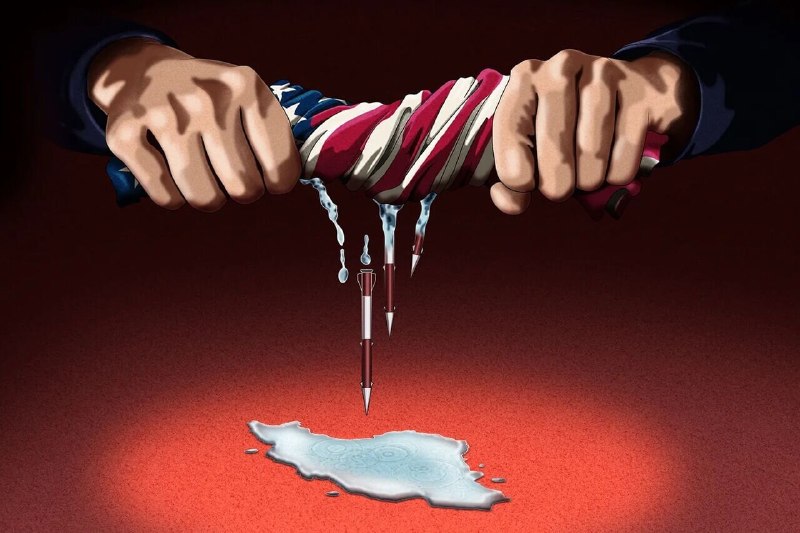
China's National Bureau of Statistics published second-quarter growth on 15 July 2026 that undershot the official full-year target, with state media and the BBC attributing the slip to soft household demand at home and a fresh oil-price shock radiating out of the Iran war. The print lands in a week that also brought a bipartisan push in Washington to outlaw the overseas policing methods of Beijing and Tehran inside the United States, and prediction markets that still rate the prospect of US–Iran peace talks inside July at roughly one-in-five.
The numbers matter less than the calendar they sit on. China is mid-cycle in a stimulus push that policymakers have spent the past two quarters carefully recalibrating; oil is the input they cannot control; and Washington is simultaneously tightening the perimeter around two of Beijing's closest strategic partners. Each thread is its own story. Read together, they sketch a tighter operating environment for the second half of the year than the official Beijing growth narrative usually concedes.
The growth miss, in one paragraph
Beijing set itself a 2026 growth target of around five percent. The BBC's 15 July report on the second-quarter print frames the miss in plain terms: domestic demand stayed weak, exports held up, but the Iran conflict's effect on crude prices weighed on the headline. The structural point, which the official readout also makes, is that an export-led economy is only as resilient as the global cost of energy in any given quarter. The Chinese framing in state outlets has been that the print is consistent with the target once front-loaded investment is fully booked through the year. The Western framing is that the consumer still has not come back. Both can be true, and the next data points, retail sales and the urban unemployment rate due later in July, will say which story is carrying the quarter.
Washington moves on the policing question
On the same day the GDP figures landed, Reuters reported that US lawmakers are preparing legislation aimed at countering what the bill's sponsors describe as the overseas repression tactics of China and Iran operating on American soil. The framing, as Reuters summarises it, treats transnational policing, the use of informal agents to monitor diaspora communities, and the intimidation of returning students and exiles as a security problem rather than a foreign-policy abstraction. The bill would, according to the report, criminalise the worst of those practices and create federal jurisdiction over cases that have previously fallen between agencies.
The Chinese position, voiced through foreign ministry briefings in past cycles and echoed in state-media commentary, is that the legislation is an exercise in projection: a way for Washington to criminalise routine consular outreach to Chinese citizens abroad. The Iranian position, where it has surfaced, treats the bill as further evidence of an American siege mentality. Both readings have a kernel. The question for sponsors is whether the bill's text targets conduct that no democratic government can defend (the surveillance of dissidents inside the US, the coercion of family members back home), or whether it broadens into a broader chilled-speech instrument that pulls in legitimate outreach. That distinction is in the drafting, and the drafting has not been released.
The diplomatic calendar is thin
While the legislation was being drafted, prediction markets were telling their own story about the next visible diplomatic event: a US–Iran meeting before month's end. A Polymarket contract on the question traded at 20 percent on the afternoon of 15 July, slipping to 17 percent in a separate market later in the day. Two contracts, two prints, both pointing in the same direction: traders do not see a deal window opening inside July. That is not a forecast; it is a price. It is what informed money will pay to be long a peace-talks contract this month, and the answer, for now, is: not much.
The structural frame here is straightforward. Energy markets have already priced a measurable Iran risk premium into the second half. China's growth miss is partly an oil-price story, which makes the same oil-price story partly a China story, which makes any US–Iran diplomatic breakthrough partly a Chinese growth story. The arithmetic is unglamorous and it is real.
What to watch by month-end
Three dates will settle the shape of the second half. The next Chinese retail-sales and unemployment print, due in the second half of July, will say whether the consumer is back or whether the official five-percent target is doing the work that demand is not. The text of the US repression bill, once it drops, will say whether Washington is drawing a narrow line around coercive conduct or a broad one around diaspora outreach. And any movement in the Polymarket contract on US–Iran talks inside July, currently priced in the high teens, will say whether the diplomatic channel is genuinely closed for the month or simply quiet.
The plausible alternative read of the week is that these three threads are coincidences that share a calendar. The dominant read, which the timing makes harder to dismiss, is that they share an oil market, and oil markets in 2026 do not stay local for long. Beijing's growth story this year was always going to be written partly in Brent. The Iran war has made sure of it, and Washington, for its part, is choosing this moment to legislate rather than negotiate. The two are not unrelated.
Monexus read the growth print through the BBC's reporting on the official data, the legislative push through Reuters, and the diplomatic calendar through Polymarket's two 15 July contracts, all of which are listed below.
Wire provenance
This editorial synthesis draws on the following public wire/social posts:
- http://reut.rs/44wlX0s