Gotham waits again: 'The Batman: Part II' pushed to February 2028
Warner Bros has slid 'The Batman: Part II' to 18 February 2028, six years after the first film, and director Matt Reeves has rolled out a brief Robert Pattinson camera test to prove the project still has a pulse.
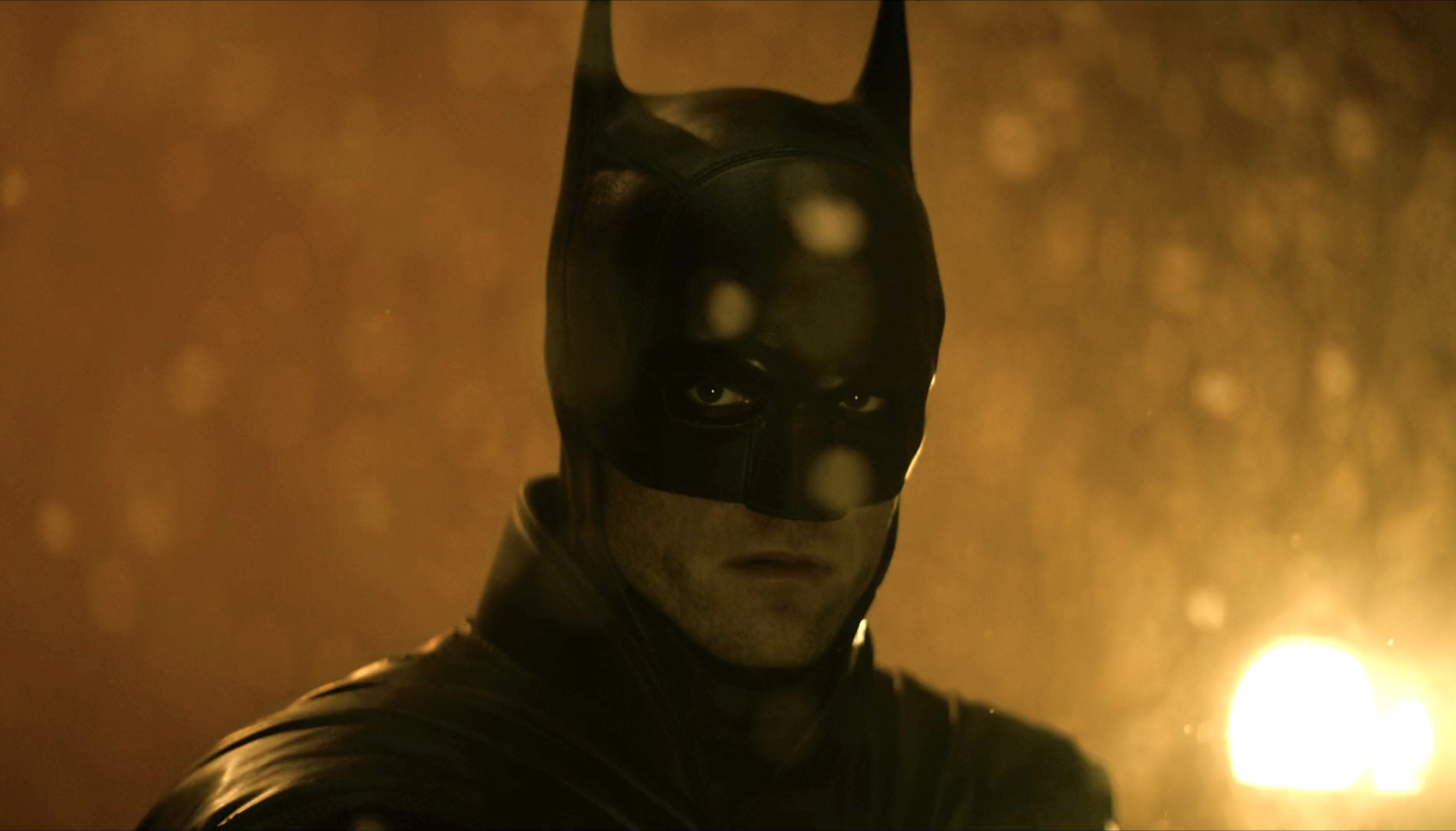
Warner Bros. has pushed Matt Reeves' "The Batman: Part II" from its previously announced 2027 slot to 18 February 2028, Variety reported on 15 July 2026, a date that will land the film nearly six years after the 4 March 2022 opening of the original. The studio paired the announcement with a brief camera test released the same day by director Matt Reeves, showing Robert Pattinson back in cowl and cape.
For a franchise built on a single brooding silhouette against a Gotham skyline, the delay is its own kind of statement. A superhero tentpole that used to anchor a studio's calendar now reads as a film the studio is treating carefully, and that caution has consequences for everyone else on the slate.
The new math of a superhero release
The 2028 date lands "The Batman: Part II" well outside the rhythm that once defined DC's release calendar. Variety's 15 July 2026 report frames the move as a deliberate trade: more post-production time in exchange for surrendering the franchise's traditional autumn-corridor positioning. A February bow puts the sequel roughly where Warner Bros. has lately parked prestige ambitions, a stretch historically reserved for awards contenders rather than cape pictures.
That choice carries commercial implications. A six-year gap between instalments in a series that grossed roughly $770 million worldwide on its first outing is not standard franchise arithmetic. It signals that the studio has decided audience goodwill is best preserved by giving Reeves room, rather than rushing to defend a calendar slot against Marvel's release cadence.
Counterpoint: the calendar is not the problem
The most charitable read of the delay is also the simplest one: Reeves and his team needed more time. Reeves has been publicly attached to the sequel since 2022, and the production calendar for a film of this visual scale is unforgiving. The 18 February 2028 date frees the director from a release window he was visibly straining to hit, and the camera test footage circulated on 15 July 2026 is, in effect, a progress note to investors and audiences that principal photography remains on track.
A less generous interpretation holds that the slippage is symptomatic of a studio still working out its post-merger identity. Warner Bros. Discovery's restructuring, the cancellation of several previously announced DC projects, and Reeves' own simultaneous commitment to a streaming series set in the same continuity have all contributed to a release schedule that resembles a slow rebuild more than a planned programme. The 2028 date is consistent with that pace.
What the camera test actually proves
First Showing's 15 July 2026 coverage notes that the footage released by Reeves is "first look" material rather than finished scene work: a moody, dimly lit frame, Pattinson in silhouette, a composition that gestures toward the first film's gothic palette. That is enough to confirm the actor is still under contract and that the production pipeline has visual material to work from. It is not enough to demonstrate a finished script, locked action design, or post-production rhythm.
For a superhero property at this budget tier, the proof points that matter are release date, locked cast, locked director, and an image that survives the internet's scrutiny cycle. Warner Bros. now has three of those, and the camera test was designed to buy the fourth without committing to a marketing campaign the studio might later need to revise.
Stakes and what to watch next
If "The Batman: Part II" holds its 18 February 2028 date, it will arrive into a marketplace shaped by the release calendars of Marvel, Universal, and Disney's live-action slate, none of which have yet publicly anchored their 2028 first quarters. The release will also test whether Warner Bros. can convert a six-year gap into something other than audience attrition.
The contradictions left standing are concrete. The studio has moved the film twice, the camera test confirms commitment rather than completion, and Reeves' continued involvement means the project retains its auteur profile at the cost of speed. What remains genuinely uncertain is whether the delay reflects a creative pace or a corporate one, and whether the resulting film will be treated as the centrepiece of a revived DC slate or as an isolated prestige play. The next proof point will arrive the moment Warner Bros. confirms a principal-photography start date, and after that, the first full trailer.
Desk note: Wire coverage of "The Batman: Part II" has centred on Variety's release-date confirmation and First Showing's camera-test summary. Monexus foregrounds the commercial-rhythm implications and the auteur-versus-calendar trade-off that both wires reference, rather than treating the date slip as a stand-alone fan story.