Australia's workplace meth surge meets a culture-war theatre fight on the same front page
A national survey shows meth use climbing in Australian workplaces, while comedian Josh Thomas backs an LGBTQ+ theatre in a 'David v Goliath' licensing dispute. Both stories are about who gets to define ordinary Australian life.
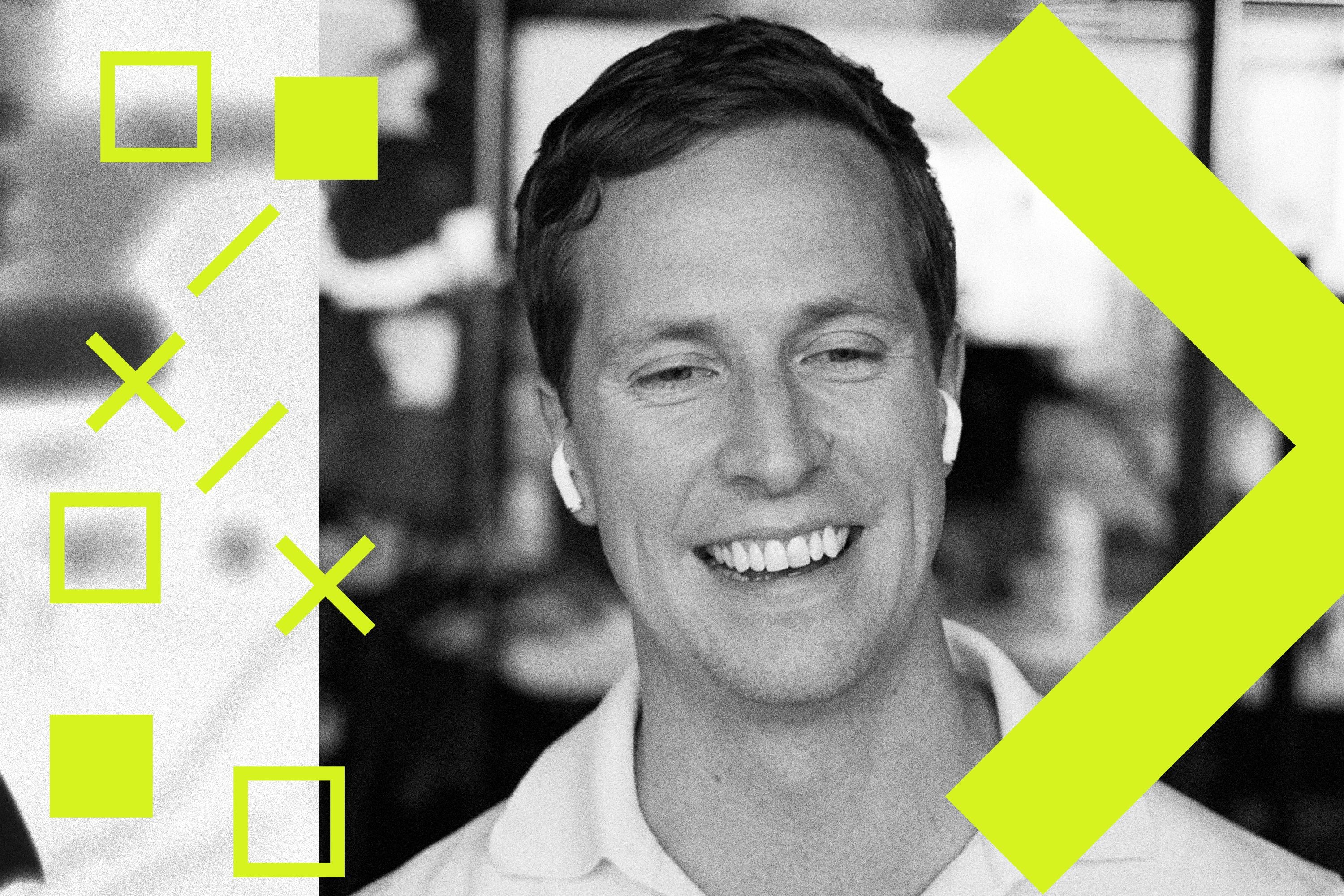
On 15 July 2026, two very different Australian stories landed on the same front page. One was a clinical finding: a national drug-testing survey, summarised in the Guardian's Australia news live blog, showing that more Australian workers are turning up to their shifts having recently used methamphetamine. The other was a cultural fight: comedian Josh Thomas publicly backing Divine Playhouse, a small LGBTQ+ theatre locked in what Thomas called a "David v Goliath" battle over its operating future.
The juxtaposition is instructive. Australia is having two arguments at once about who sets the boundaries of ordinary working and cultural life, and the same political weather is producing both. The stimulant economy inside trades, transport and hospitality is no longer a marginal footnote, while a parallel argument over who gets to programme a stage is being cast as a referendum on whether institutions tolerate difference. Each debate, on its own, would be a beat. Together, they describe a country renegotiating its social floor.
A stimulant economy in the loading dock
The headline figure is the direction, not the precise count. According to the live blog carried on the Guardian's Australia news page on 15 July 2026, workplace drug-testing data points to meth use rising among Australian employees, with positive readings spreading further into industries long considered unaffected. The post frames it as a workplace drug-use survey without naming the testing company, the sample size, or the prior-year comparator in the snippet available; those details sit behind the survey's full release rather than in the live thread.
The policy response has historically been punitive: roadside saliva tests, criminal penalties for users, and a small clinical-treatment budget. The work question is different. If a tradesperson, a long-haul driver or a hospitality worker is using on shift, the legal apparatus built for nightlife policing does not reach them. The employers do. Industrial drug-and-alcohol testing is the de facto intervention, and it is uneven across sectors: heavy industry and mining test routinely; small construction subcontractors and gig-economy warehousing frequently do not. Methamphetamine in the bloodstream does not show up in a forklift licence check, and that gap is where the survey finds the trend.
A theatre as proxy
On the same day, the Guardian's live blog carried Josh Thomas's intervention in the Divine Playhouse dispute. The exact terms of the licensing or funding row were not specified in the thread snippet beyond Thomas's "David v Goliath" framing of the venue against an unnamed larger counterparty. Divine Playhouse, an LGBTQ+ venue, is positioned in coverage as the smaller party; the opposing side is not named in the live blog excerpt. That asymmetry of information matters: a "David v Goliath" story is a framing as much as a fact, and Thomas, a public figure with a following, chose that frame on the record.
The cultural argument is the older Australian one. Independent and community venues have been closing for a decade under rent pressure, licensing cost and a post-pandemic programming squeeze. When the venue in question is LGBTQ+-identifying, the financial story and the culture-war story fuse: closures get read as both economic and political, and celebrity endorsements function as both fundraising and signal-boosting. Thomas's public backing does not change the venue's commercial position by itself, but it shifts the narrative cost of letting it close.
What the two stories share
Neither story is really about its surface subject. The drug-testing data is not, at root, about meth: it is about the limits of a policing-led response to a labour-market problem. The theatre fight is not, at root, about Divine Playhouse: it is about whether a small venue can survive when the cost of compliance meets the cost of being publicly identified as different.
The connecting tissue is institutional neglect. Workplace health agencies have few levers in the small-employer grey zone; arts-funding bodies have few tools for venues whose primary asset is a community. In both cases, the formal state has delegated the boundary-setting to private actors, who then apply it unevenly. A forklift employer decides whether to test. A licensing counterparty decides whether to renegotiate. The state watches.
What remains contested
The drug-use survey number needs a denominator. The live-blog snippet does not specify the testing provider, the survey period, the industries weighted, or how positive results are confirmed against a more specific laboratory assay. The Divine Playhouse dispute, as presented on 15 July, is missing the institutional position of the "Goliath" in the row. Until both sides of each story are on the page, the framing is doing more work than the evidence. This publication will treat the directional claim that meth use is climbing in Australian workplaces as well-supported by the survey trend it sits inside, and the cultural framing of the Divine Playhouse fight as a politically loaded reading, not yet a verified fact pattern on its own merits.
Desk note: Monexus is reading the two items as one story about institutional reach, not as parallel pieces. The wire led with both; the analytical move is to ask what they share, not to treat them as separate beats.